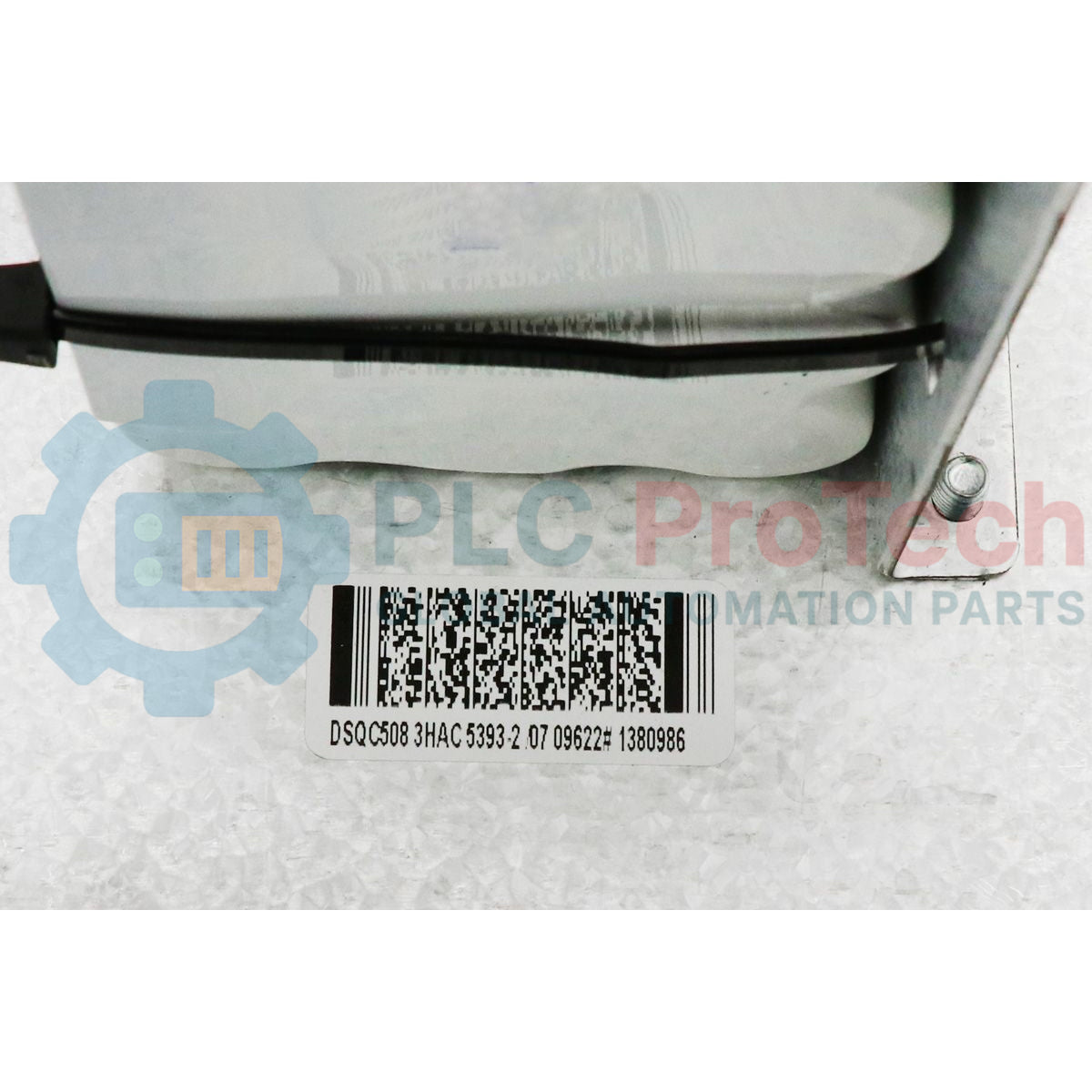
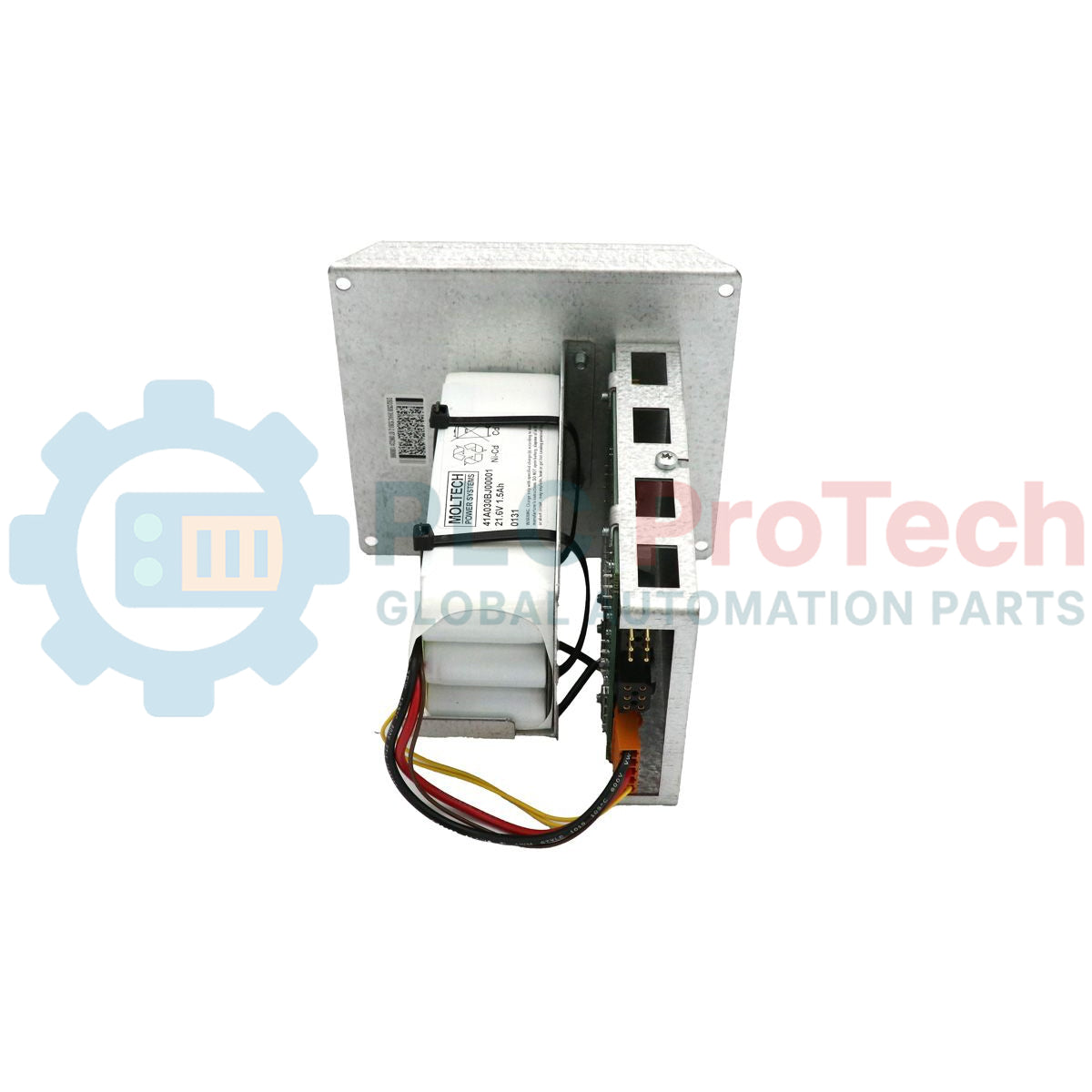
Présentation du produit
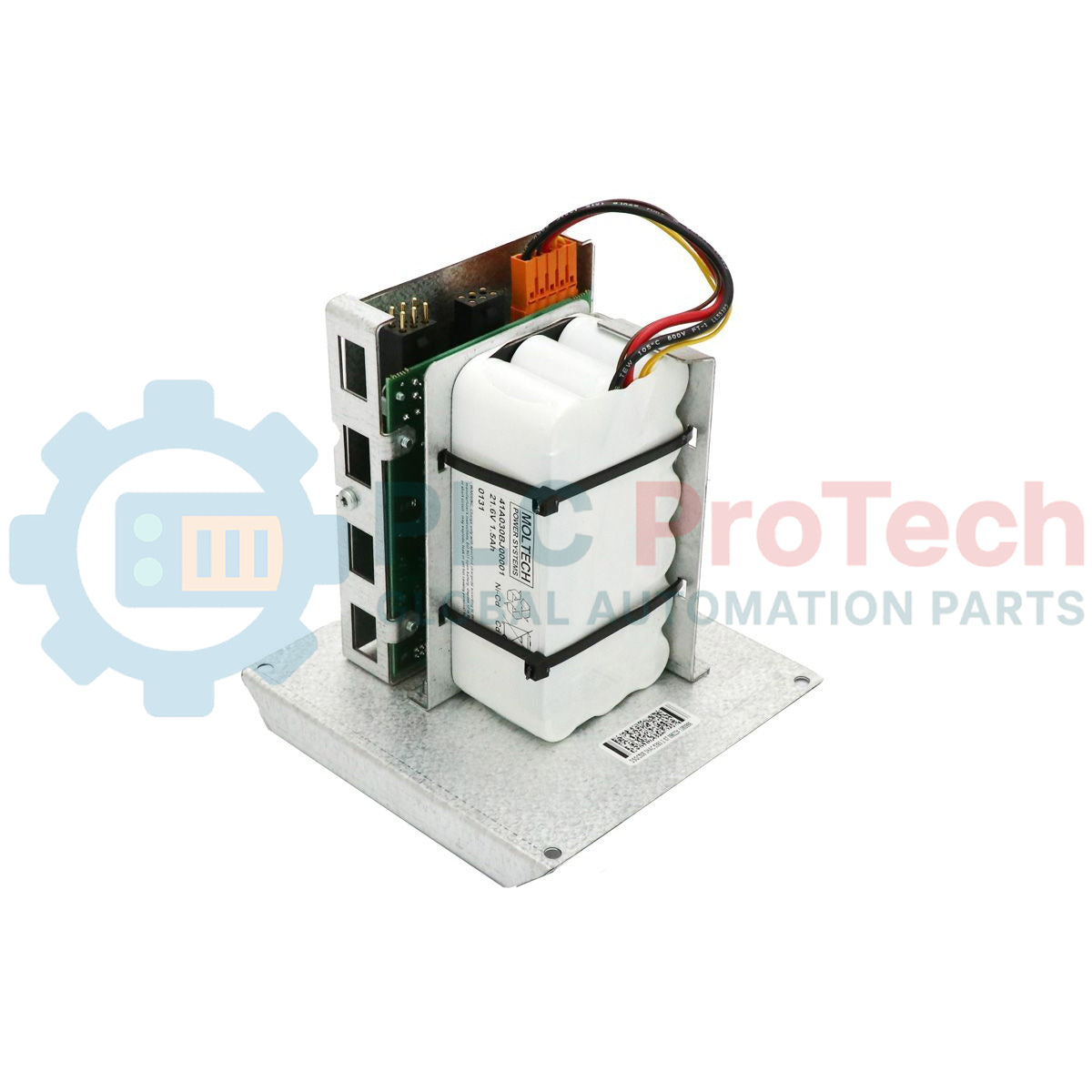
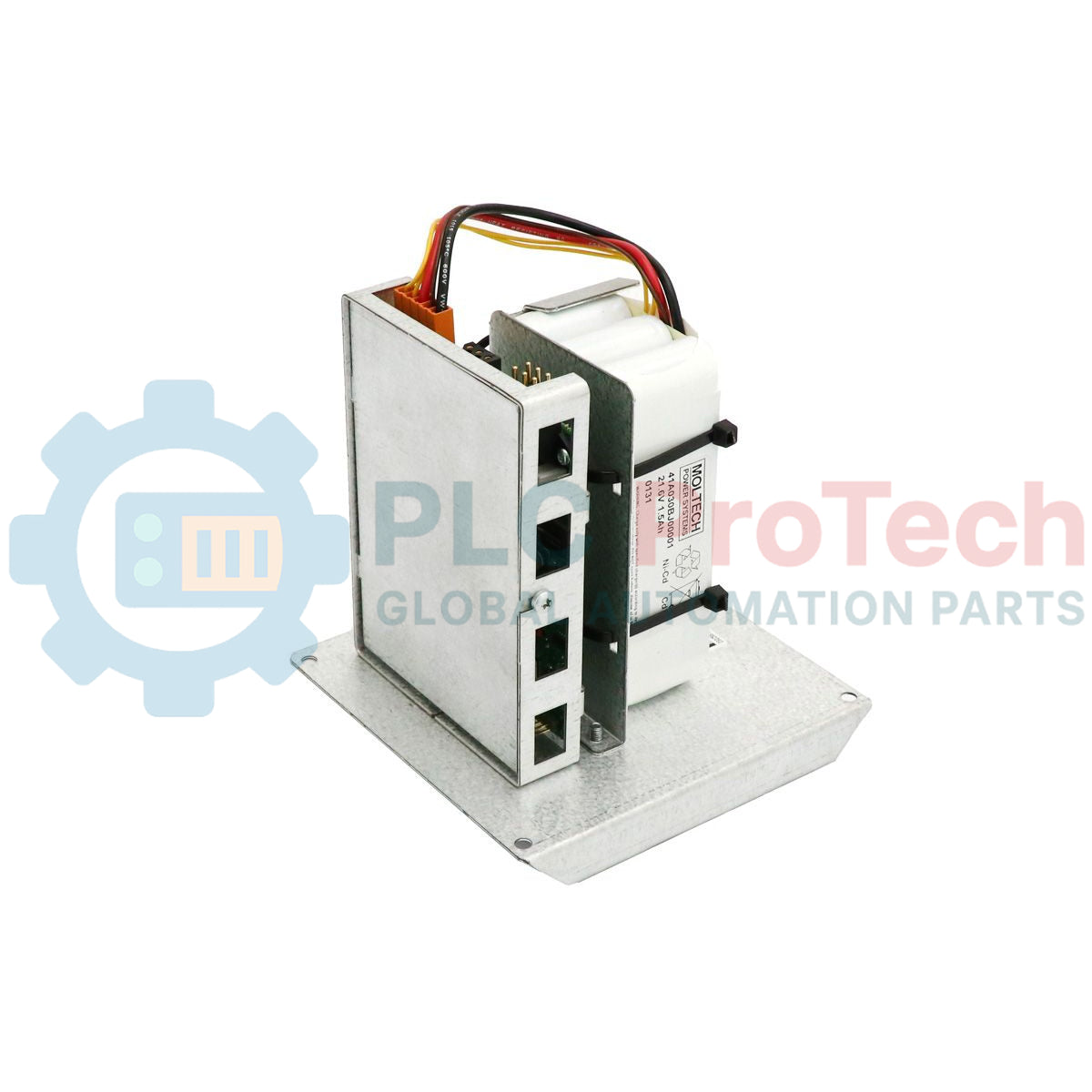
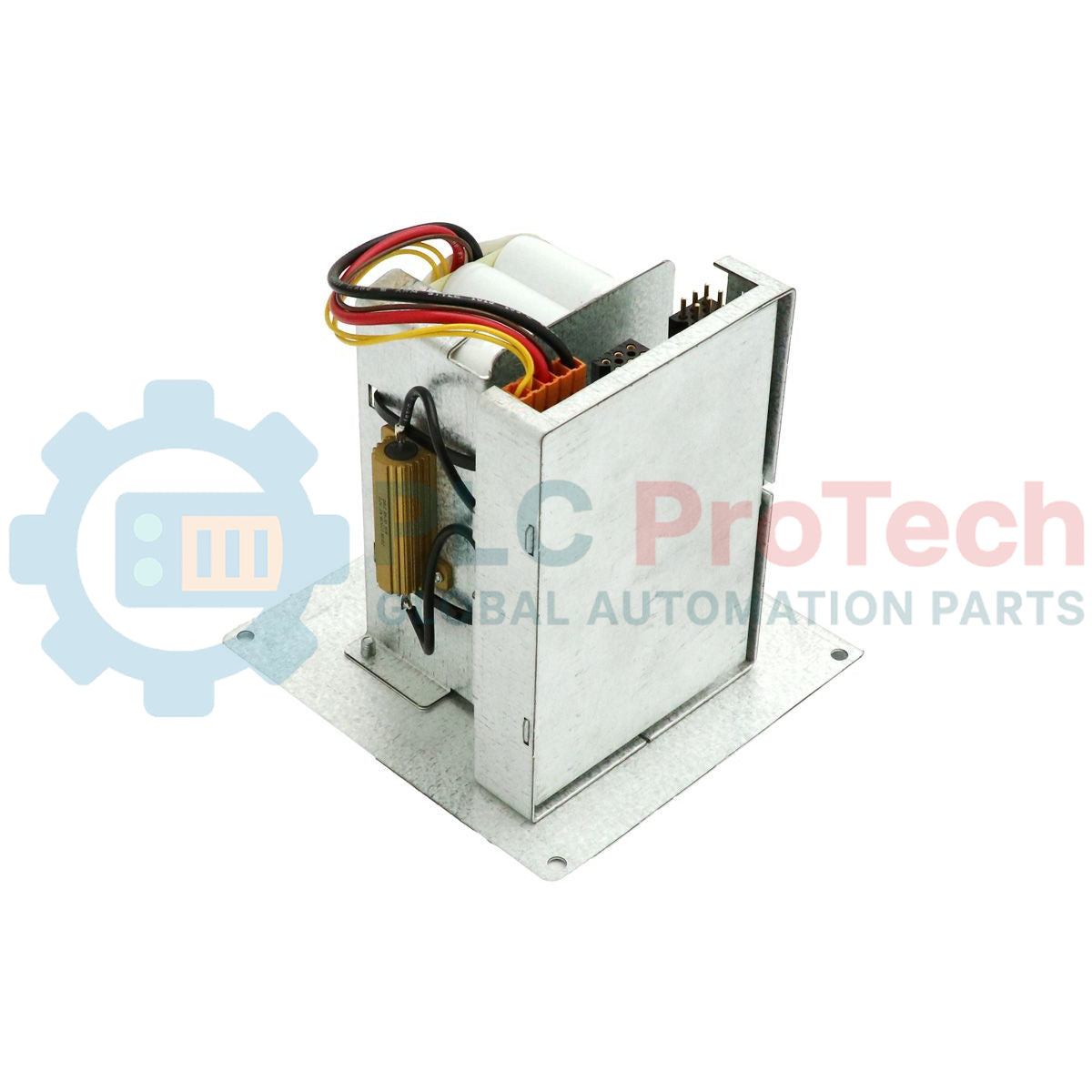
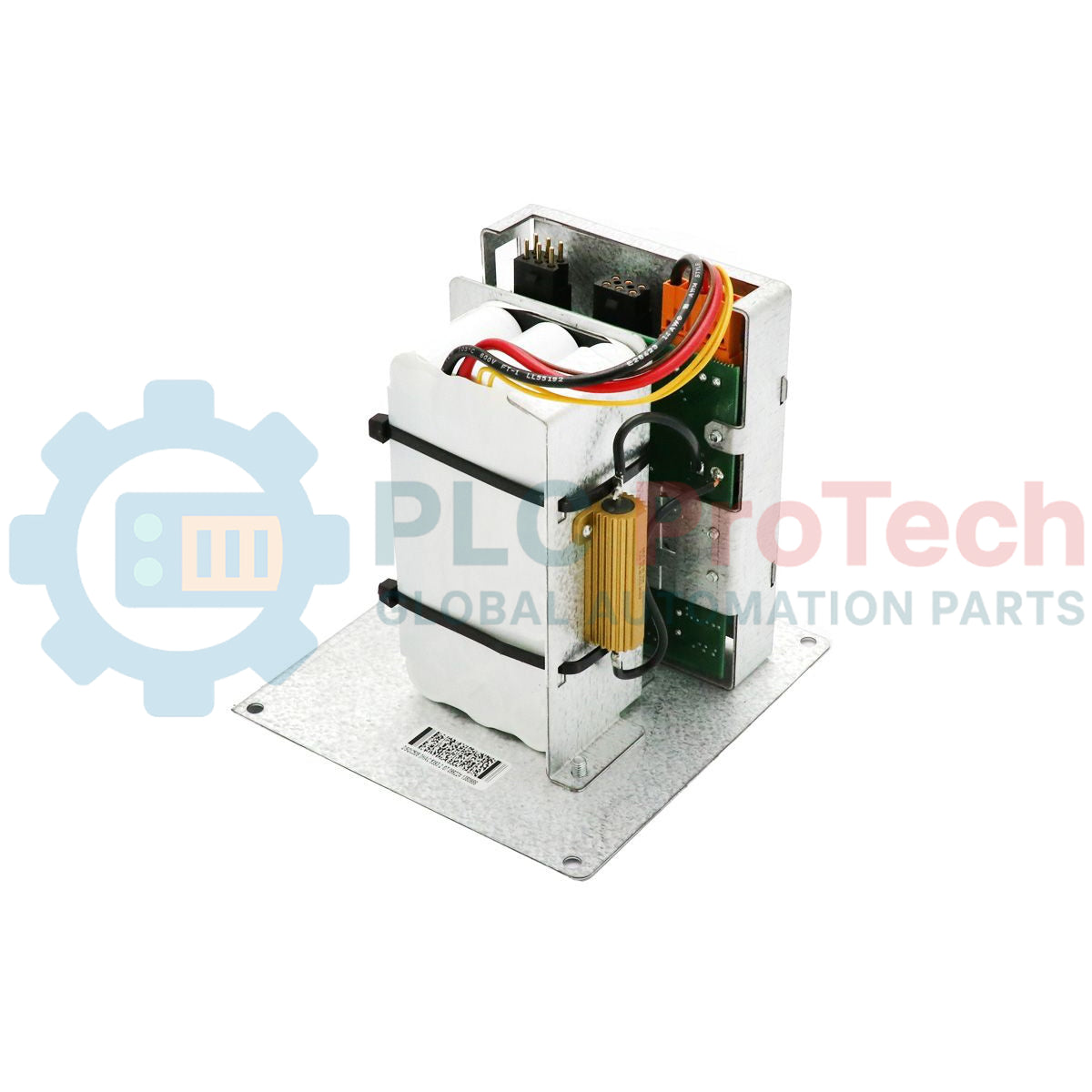
Le 3HAC5393-2 (3HAC53932) est une unité de batterie spécialisée DSQC 508 conçue pour la série de contrôleurs de robot ABB S4. Ce composant critique de secours d’alimentation garantit la conservation des paramètres système essentiels, des données de calibration et des programmes utilisateurs lors des coupures de courant principales. Principalement utilisé dans les lignes d’assemblage automobile, les cellules de soudage robotisé et les systèmes de manutention de précision, le 3HAC5393-2 évite la perte des données du « compteur de révolution », indispensables au maintien de l’orientation spatiale du robot. En fournissant une source d’alimentation secondaire stable, cette unité supprime la nécessité de recalibrations et de procédures de remise à zéro longues après une coupure de courant, réduisant ainsi considérablement le temps de récupération et évitant des goulets d’étranglement coûteux en production.
Configuration technique
L’unité DSQC 508 est conçue comme un ensemble batterie autonome avec des cellules de stockage haute capacité optimisées pour une utilisation en veille prolongée. Une caractéristique clé de cette révision spécifique est sa modularité ; pour les unités de révision 10 ou supérieure, les cellules internes (référence 3HAC5105-1) peuvent être remplacées indépendamment, prolongeant ainsi la durée de vie du boîtier complet. L’unité se connecte directement au backplane du contrôleur S4, avec des circuits intégrés pour surveiller le niveau de charge et fournir des alertes précoces via le FlexPendant. Le 3HAC5393-2 est conçu pour résister aux fluctuations thermiques typiques et aux environnements à forte vibration des armoires robotiques industrielles, garantissant que la chimie lithium reste stable et prête à se décharger immédiatement en cas de coupure de l’alimentation principale.
Spécifications techniques
| Caractéristique |
Spécification |
| Modèle |
DSQC 508 |
| ID produit |
3HAC5393-2 |
| Marque |
ABB |
| Série de contrôleur |
S4, S4C, S4C+ |
| Origine |
Suède |
| Poids net |
2,14 kg |
| Dimensions |
157,1 x 149,5 x 155 mm |
| Cellule de remplacement |
3HAC5105-1 (pour Rev 10+) |
| Code tarifaire douanier |
85073020 |
| Type de pièce |
Neuf / Pièce de rechange |
| Lieu de stockage |
Menden (DE), Shanghai (CN) |
FAQ techniques
À quelle fréquence faut-il remplacer le 3HAC5393-2 dans une cellule robotisée active ?
ABB recommande généralement de remplacer l’unité batterie tous les 2 à 3 ans, selon la fréquence des cycles d’alimentation. Il est crucial de remplacer l’unité avant que la tension ne descende en dessous du seuil pour éviter la perte de la mémoire système du robot.
Puis-je remplacer les cellules internes de n’importe quelle unité DSQC 508 ?
Le remplacement des cellules internes avec la pièce 3HAC5105-1 n’est pris en charge que si l’unité 3HAC5393-2 est en révision 10 ou supérieure. Pour les révisions plus anciennes, il faut remplacer l’ensemble de l’unité batterie pour garantir la fiabilité du circuit.
Que se passe-t-il si la batterie tombe en panne lorsque le contrôleur est éteint ?
Si la batterie tombe en panne pendant l’arrêt de l’alimentation, les compteurs de révolution de tous les axes seront perdus. Au redémarrage, le robot nécessitera une « mise à jour manuelle des compteurs de révolution » ou une recalibration complète avec les outils de calibration, ce qui peut entraîner plusieurs heures d’arrêt.
Guide d’ingénierie et d’installation
-
Protocole de remplacement à chaud : Pour éviter toute perte de données, l’unité batterie doit idéalement être remplacée pendant que le contrôleur est sous tension ON. Cela garantit que le système de contrôle continue de recevoir l’alimentation principale pendant que la source de secours est remplacée. Si l’alimentation doit être coupée, assurez-vous que l’échange soit réalisé en moins de 15 minutes.
-
Stockage environnemental : Étant donné qu’il s’agit d’unités à base de lithium, stockez les unités de rechange 3HAC5393-2 dans un endroit frais et sec (environ 15-20 °C). Le stockage à haute température accélère considérablement l’auto-décharge, risquant de laisser la pièce de rechange « neuve » avec une tension insuffisante en cas de remplacement d’urgence.
-
Conformité à l’élimination : Cette unité contient des batteries industrielles. En aucun cas elle ne doit être jetée dans les déchets ordinaires. Respectez les réglementations locales en matière de recyclage des composants industriels au lithium/nickel pour se conformer aux normes mondiales de sécurité et d’environnement.
-
Vérification de la révision : Avant l’installation, vérifiez toujours le numéro de révision indiqué sur l’étiquette de l’unité. Si vous prévoyez de remplacer uniquement les cellules à l’avenir, assurez-vous que le boîtier est marqué Révision 10 ou plus.