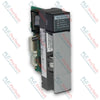
Le 5069-L320ER est un contrôleur industriel haute performance de la famille CompactLogix 5380 . Il est conçu pour les tâches d’automatisation de moyenne à grande échelle nécessitant une mémoire importante pour les applications gourmandes en données et les logiques complexes. Bien qu’il partage l’architecture de traitement haute vitesse des modèles de mouvement « ERM », le L320ER est optimisé pour les environnements de contrôle discret et de contrôle de procédé où le contrôle intégré des servomoteurs n’est pas requis, offrant ainsi une solution économique pour les systèmes comportant un grand nombre de nœuds.
Principales spécifications techniques
| Paramètre |
Détails de la spécification |
| Modèle |
5069-L320ER |
| Marque |
Allen-Bradley (Rockwell Automation) |
| Mémoire utilisateur |
2 Mo |
| Nœuds Ethernet |
Prend en charge jusqu’à 40 nœuds Ethernet/IP |
| Capacité d’E/S locales |
Jusqu’à 16 modules d’E/S Compact 5069 locaux |
| Ports de communication |
2 ports Ethernet (Gigabit) / 1 port USB 2.0 (programmation) |
| Mémoire non volatile |
2 Go (via une carte 1784-SD2) |
| Programmation |
Studio 5000 Logix Designer (v28 ou ultérieure) |
Fonctionnalités principales
1. Mémoire et capacité de nœuds étendues
Avec 2 Mo de mémoire utilisateur, le 5069-L320ER offre une capacité deux fois supérieure à celle de la série L310. Il convient donc parfaitement aux applications impliquant des recettes détaillées, une gestion avancée des alarmes ou de grandes zones tampons pour l’enregistrement des données. Sa prise en charge de 40 nœuds Ethernet/IP permet d’intégrer un vaste éventail d’E/S déportées, de variateurs PowerFlex et de panneaux IHM.
2. Fond de panier haute performance
En tant que membre de la série 5380, ce contrôleur utilise le fond de panier 5069 haute vitesse. Cette architecture offre des temps d’analyse des E/S nettement plus courts et un déterminisme amélioré par rapport aux anciens contrôleurs de la série 1769, permettant un contrôle plus précis des machines à grande vitesse.
3. Réseau Gigabit avancé
Les deux ports Ethernet de 1 Gbit/s peuvent être configurés de deux façons principales :
-
Mode double IP : Fournit une segmentation physique et logique du réseau, permettant d’isoler le trafic des E/S au niveau des machines du réseau d’entreprise de l’usine afin d’améliorer la sécurité et les performances.
-
Device Level Ring (DLR) : Assure la résilience du réseau. En cas de défaillance d’un seul point de l’anneau Ethernet, le système maintient la communication et évite ainsi les arrêts inutiles.
Foire aux questions techniques
Quelle est la différence entre le 5069-L320ER et le 5069-L320ERM ?
Le « M » de la version ERM signifie Motion. Le L320ERM prend en charge jusqu’à 8 axes de mouvement CIP intégré (contrôle des servomoteurs). Le L320ER est destiné aux applications de logique standard et ne prend pas en charge le mouvement coordonné des servomoteurs via EtherNet/IP.
Comment l’alimentation est-elle distribuée à ce contrôleur ?
La plateforme 5069 utilise une architecture à alimentation séparée :
Ce contrôleur nécessite-t-il une batterie ?
Non. La série CompactLogix 5380 utilise des condensateurs internes pour sauvegarder le programme utilisateur dans la mémoire non volatile en cas de coupure de courant, ce qui élimine la nécessité d’entretenir une batterie au lithium.
Guide d’ingénierie et d’installation
-
Montage et refroidissement : Le contrôleur doit être monté horizontalement sur un rail DIN standard de 35 mm. Comme le processeur haute vitesse génère de la chaleur, prévoyez un dégagement d’au moins 50 mm (2 po) au-dessus et au-dessous de l’unité pour assurer son refroidissement par convection.
-
Blocs de jonction : Le contrôleur nécessite un bloc de jonction 5069-RTB22-SCREW ou 5069-RTB22-SPRING pour raccorder les alimentations MOD et SA. Ceux-ci sont généralement vendus séparément.
-
Planification du réseau : Lors de l’utilisation de la capacité de 40 nœuds, assurez-vous que l’infrastructure de commutation de votre réseau peut gérer le débit de 1 Gbit/s afin de tirer pleinement parti de la vitesse du contrôleur.
Avantages techniques
Le 5069-L320ER est le choix « powerhouse » pour le contrôle standard. Il est fréquemment sélectionné pour les skids de procédé complexes ou les lignes d’assemblage où la complexité de la logique est élevée, mais où les mouvements mécaniques sont gérés par des variateurs CA standard ou des actionneurs pneumatiques plutôt que par des servomoteurs synchronisés. Sa capacité à gérer 16 modules d’E/S locaux en fait également une excellente solution pour le contrôle local haute densité, sans nécessiter de racks déportés.