Présentation du produit
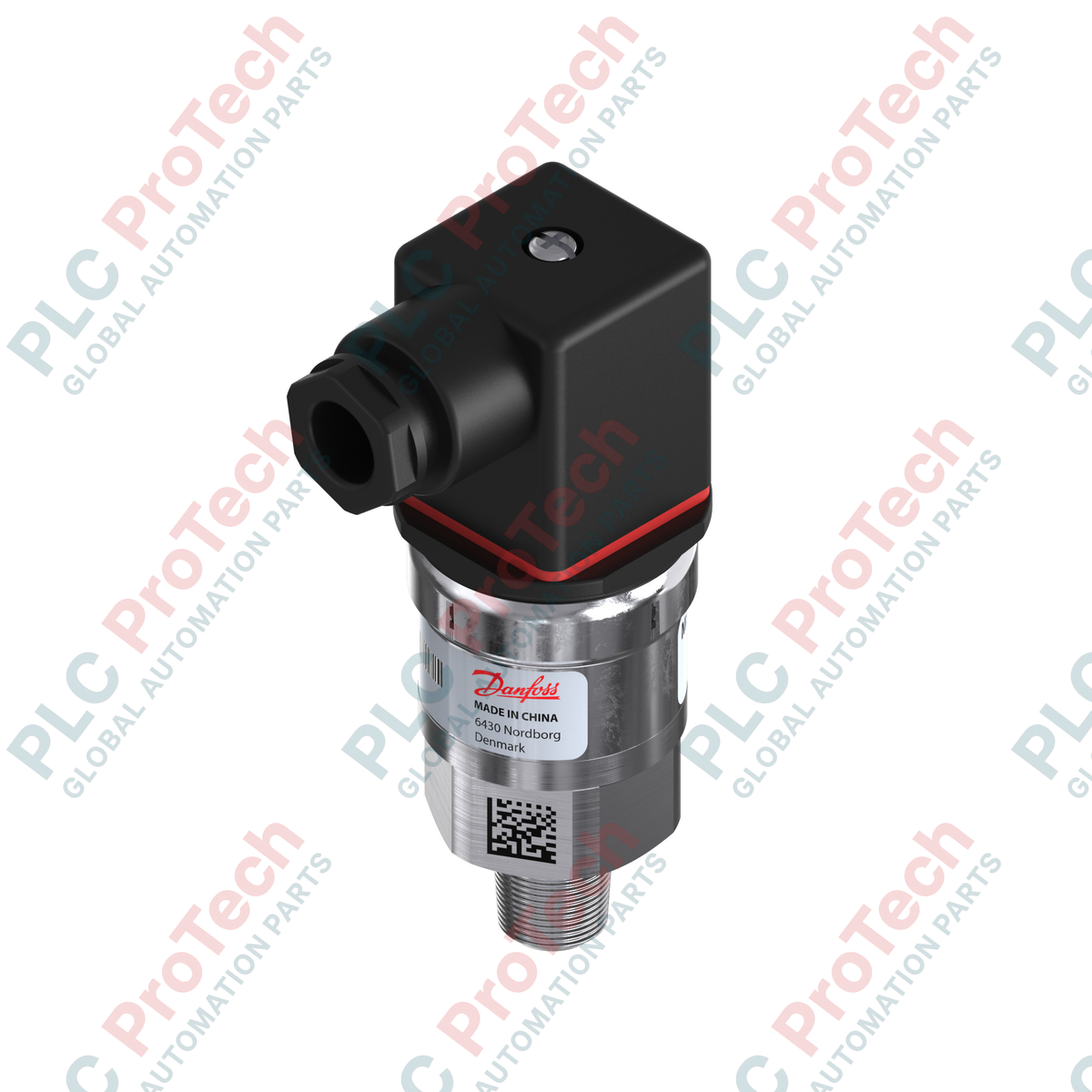
Le 060G2112 (060G2112) est un transmetteur de pression de précision de la série Danfoss AKS 33, spécialement conçu pour les applications de réfrigération industrielle et de climatisation. Ce capteur convertit la pression mesurée en un signal courant robuste de 4-20 mA, garantissant une haute intégrité du signal sur de longues distances de câblage dans des environnements électriquement bruyants. Optimisé pour la fiabilité, le 060G2112 dispose d’une référence de pression manométrique étanche et peut supporter des surpressions allant jusqu’à 33 bars. Il constitue un élément clé dans les systèmes nécessitant un contrôle précis de la pression de refoulement ou une surveillance de la pression d’aspiration, tels que les grands refroidisseurs et les chambres froides commerciales. En fournissant des données en temps réel aux systèmes PLC ou DCS, ce transmetteur aide à maintenir une efficacité optimale du système et prévient les défaillances critiques dues à des conditions de surpression.
Configuration technique
La plateforme matérielle AKS 33 est conçue pour résister aux contraintes des locaux techniques industriels tout en maintenant une haute performance métrologique :
-
Technologie de détection : Utilise un capteur piézorésistif très stable associé à une membrane en acier inoxydable, offrant une excellente résistance aux vibrations et aux cycles thermiques.
-
Compensation spécialisée : Le circuit interne est calibré en usine dans une plage de température compensée de -30 à 40 °C, ciblant spécifiquement les cycles frigorifiques pour éliminer la dérive de mesure causée par les démarrages à froid ou les variations ambiantes.
-
Interface électrique : Équipé d’un connecteur angulaire EN 175301-803-A (prise DIN), assurant une connexion sécurisée avec un indice de protection IP65, facilitant l’installation sur site et le remplacement du capteur.
-
Construction robuste : Le corps en acier inoxydable soudé au laser garantit la compatibilité avec les réfrigérants courants et empêche l’infiltration d’humidité interne, essentielle pour les environnements à basse température.
Caractéristiques techniques
| Caractéristique |
Spécification |
| Modèle |
060G2112 |
| Marque |
Danfoss |
| Groupe de produits |
Capteurs (AKS 33) |
| Signal de sortie |
4 à 20 mA |
| Référence de pression |
Manométrique étanche |
| Pression maximale en surcharge |
33 bar (479 psi) |
| Plage de température ambiante |
-40 à 85 °C |
| Plage de température compensée |
-30 à 40 °C |
| Connexion électrique |
EN 175301-803-A (connecteur angulaire) |
| Indice de protection |
IP65 |
| Poids net |
0,157 kg |
| Poids avec emballage |
1 kg |
FAQ techniques
Comment le signal courant 4-20 mA bénéficie-t-il au câblage longue distance ?
Le signal courant utilisé par le 060G2112 est intrinsèquement résistant aux interférences électromagnétiques (EMI) et aux chutes de tension sur de longs câbles. Contrairement aux signaux de tension, la boucle 4-20 mA maintient sa précision sur plusieurs centaines de mètres, ce qui est essentiel dans les grandes installations industrielles où le transmetteur et le contrôleur sont éloignés.
Quels fluides peuvent être mesurés avec le 060G2112 ?
Ce transmetteur est compatible avec une large gamme de fluides, notamment l’air, l’eau et les réfrigérants courants (y compris l’ammoniac dans des configurations spécifiques). Sa construction en acier inoxydable assure une grande durabilité ; toutefois, il est toujours recommandé de vérifier la compatibilité chimique pour les fluides industriels non standards.
Le capteur est-il protégé contre les pics de pression ?
Bien que le 060G2112 soit conçu pour supporter une surpression de 33 bars, des pulsations de pression fréquentes et à haute fréquence peuvent provoquer une fatigue mécanique. Il est conseillé d’utiliser un orifice d’amortissement si le capteur est installé près d’une sortie de compresseur.
Guide d’ingénierie et d’installation
-
Atténuation des vibrations : Pour garantir une stabilité à long terme, évitez de monter le transmetteur directement sur des surfaces à forte vibration comme les têtes de compresseur. Utilisez un court tronçon de tube capillaire pour installer le capteur à distance sur un support stable, qui sert également de tampon thermique pour les fluides très chauds ou très froids.
-
Gestion de l’humidité : Pour empêcher la condensation d’entrer dans le boîtier électrique, le câble doit toujours pénétrer dans le connecteur angulaire par le dessous. Créez une boucle de goutte dans le câble afin que l’humidité s’écoule par gravité loin du joint du transmetteur.
-
Couple de serrage et étanchéité : Lors de l’installation du transmetteur dans un port de pression, appliquez le mastic uniquement sur les filetages et non sur la face avant du capteur. Serrez l’appareil à l’aide de l’écrou hexagonal intégré ; ne jamais appliquer de couple sur le boîtier supérieur ou le connecteur électrique afin d’éviter d’endommager l’électronique interne.