Présentation du produit
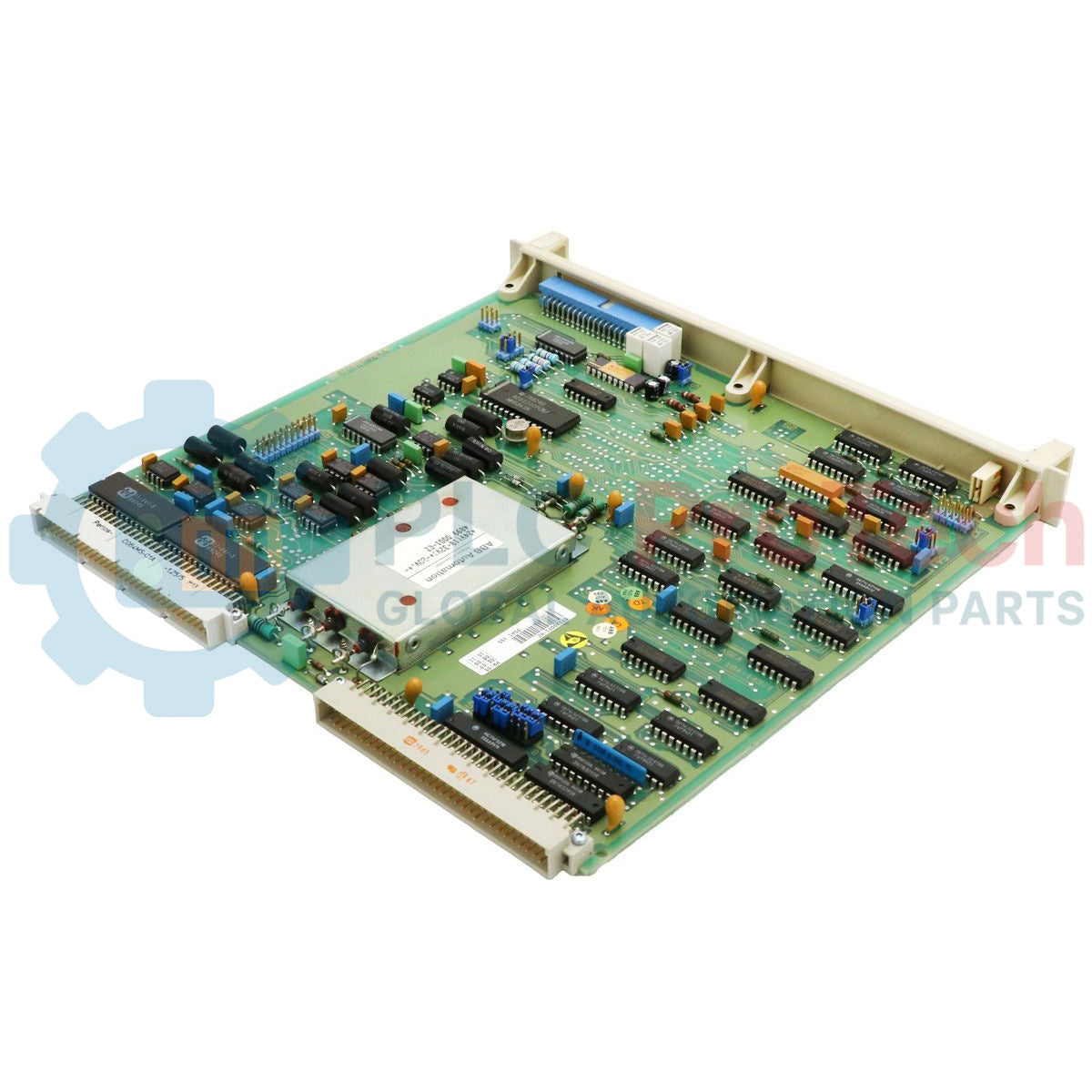
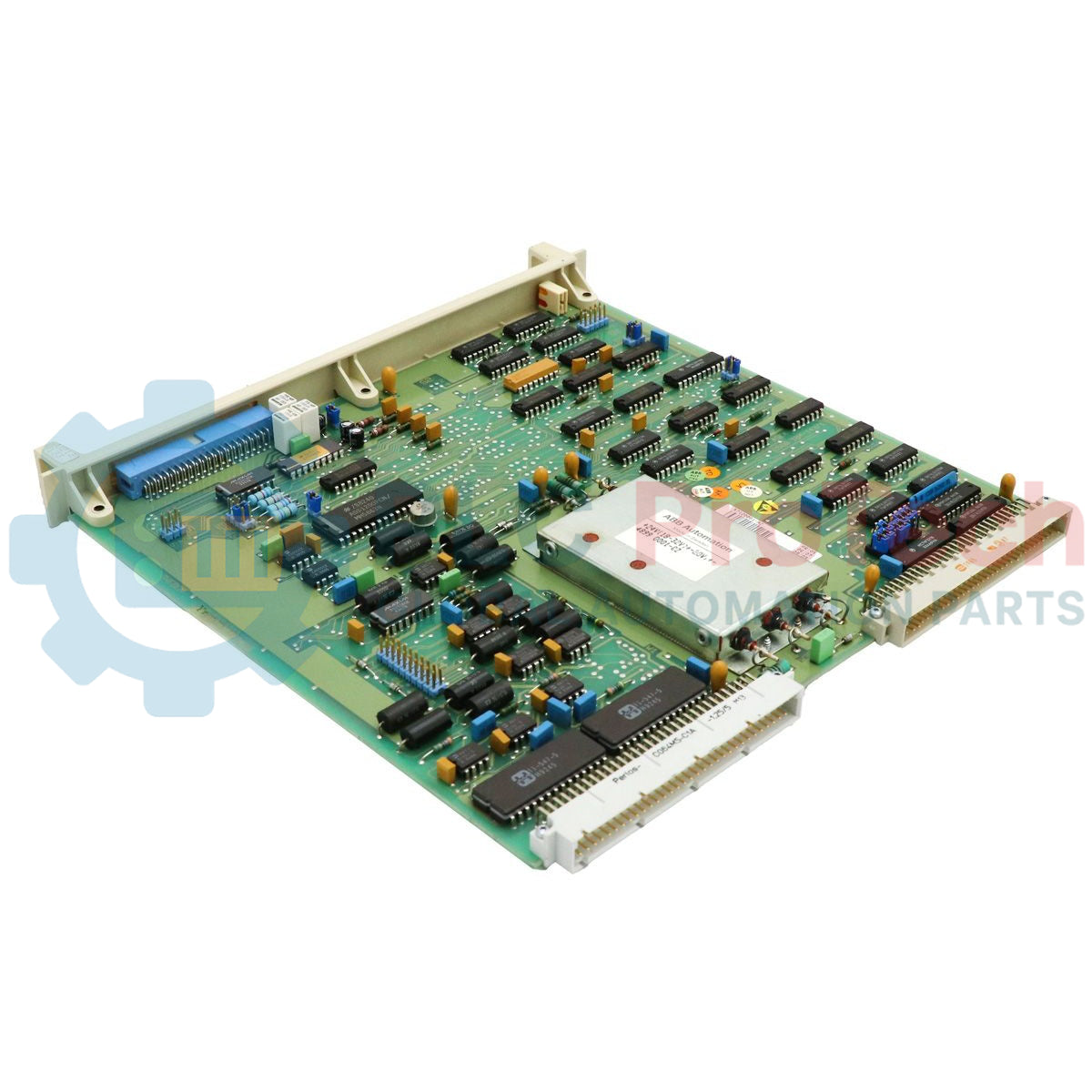
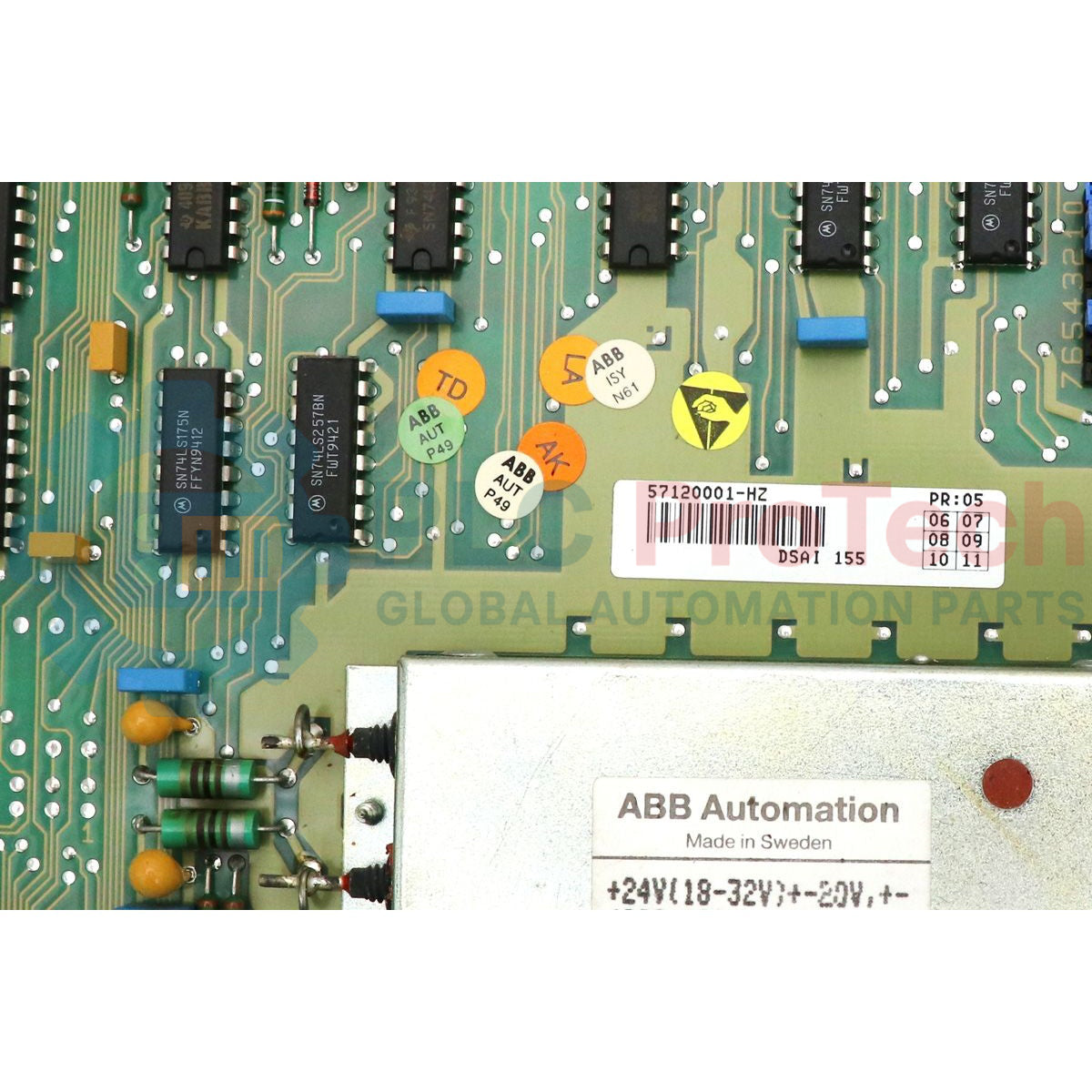
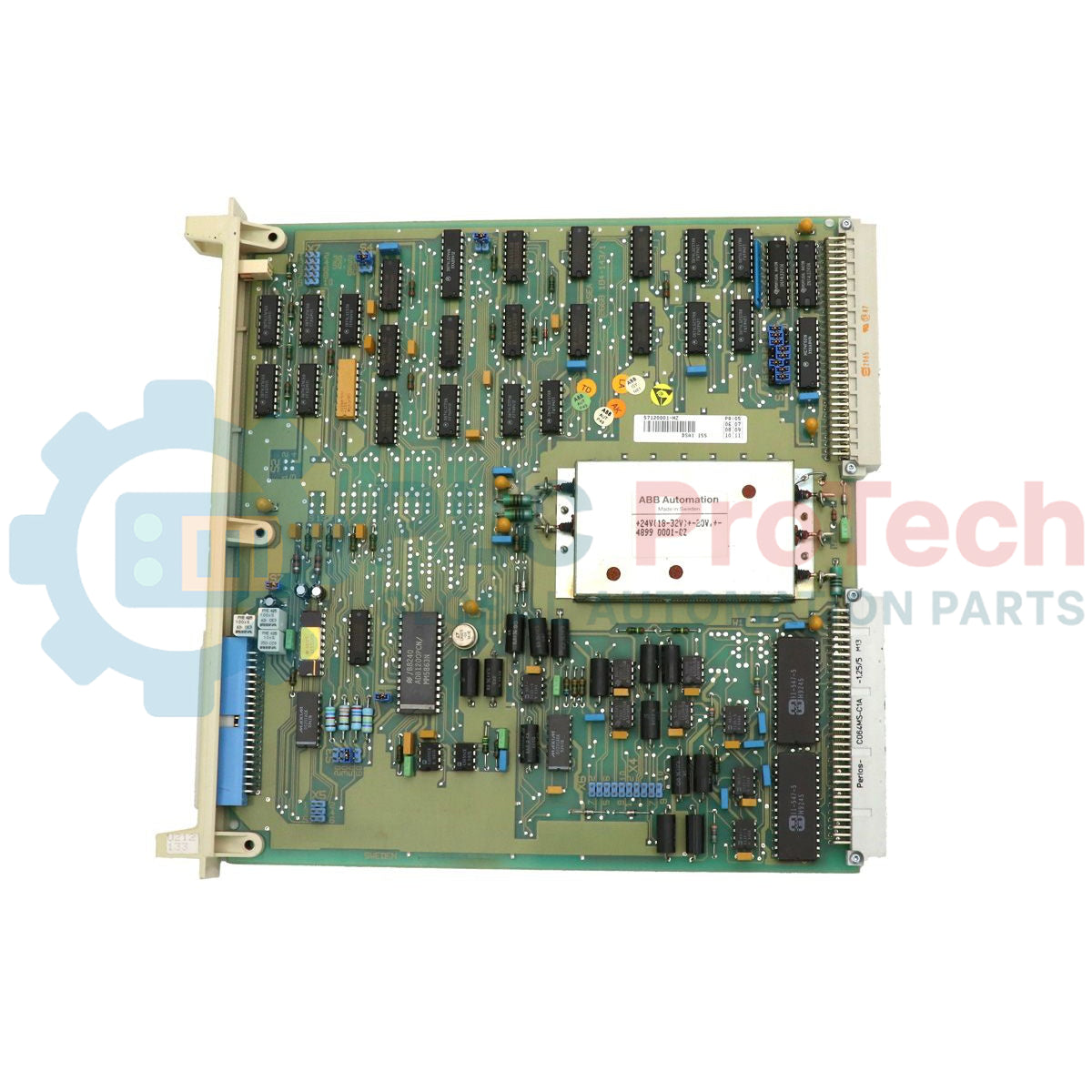
Le DSAI 155A (DSAI155A) est un module d'entrée analogique haute précision conçu spécifiquement pour la surveillance de la température basée sur des thermocouples dans les systèmes de contrôle ABB Advant Master et Advant OCS. Fonctionnant comme un composant essentiel du rack d'E/S S100, ce module 14 canaux est conçu pour des environnements industriels à haute disponibilité tels que les centrales thermiques, la fusion métallurgique et le traitement pétrochimique. En offrant une interface directe pour plusieurs types de thermocouples, le DSAI 155A élimine le besoin de transducteurs externes, réduisant ainsi les interférences de signal et la complexité matérielle. Son intégration dans l’Advant Controller 450 (AC450) garantit un traitement rapide des données thermiques, essentiel pour maintenir la stabilité du four et prévenir la surchauffe des équipements dans des applications critiques.
Configuration technique
Le DSAI 155A est une carte d'entrée analogique spécialisée qui utilise 14 canaux dédiés aux signaux des thermocouples, complétés par 2 canaux de référence pour la compensation de jonction froide (CJC).
-
Architecture d'entrée : Le module prend en charge des entrées différentielles pour minimiser le bruit en mode commun, ce qui est vital lors de la mesure de petits signaux en millivolts provenant des thermocouples dans des environnements électriquement bruyants.
-
Compensation de jonction froide : La logique intégrée prend en charge les entrées de référence de jonction froide, garantissant que les mesures de température restent précises quelles que soient les variations ambiantes au point de connexion terminale.
-
Interface bus système : Il occupe un seul emplacement dans le rack d'E/S S100 et communique via le backplane parallèle haute vitesse typique de la série Advant Master.
-
Robustesse : Conçu pour résister aux exigences de long cycle de vie des systèmes DCS hérités, le module dispose d’un filtrage de haute qualité et d’une protection contre les surtensions sur l’ensemble des 14 canaux.
Caractéristiques techniques
| Caractéristique |
Détails |
| Modèle |
DSAI 155A |
| Numéro de pièce |
3BSE014162R1 |
| Marque |
ABB |
| Type de produit |
Modules d'entrée analogique I-O |
| Canaux d'entrée |
14 thermocouples + 2 de référence |
| Origine |
Suède |
| Poids net |
0,5 kg |
| Dimensions (L x H x P) |
363 mm x 15 mm x 255 mm |
| Conformité RoHS |
Exempté (Contrôle des procédés industriels) |
| Compatibilité |
Advant Controller 450, MasterPiece 200 |
FAQ techniques
Le DSAI 155A nécessite-t-il un capteur de référence externe pour la précision de la température ?
Oui, pour des mesures haute précision, le module utilise des canaux de référence (généralement connectés à un capteur PT100 ou similaire à l’unité de terminaison) pour effectuer la compensation de jonction froide, garantissant que la conversion millivolt-température prend en compte la température du terminal.
Ce module est-il compatible avec les dernières directives RoHS 2011/65/UE ?
Cette pièce spécifique est exemptée du champ d’application de la directive 2011/65/UE conformément aux exemptions spécifiques pour les systèmes de contrôle des procédés industriels (Advant Master). Veuillez consulter le document ABB 3BSE088609 pour la déclaration officielle.
Quelle est la différence entre le DSAI 155A et le kit DSAI 155AK02 ?
Le DSAI 155A est le module de carte individuelle, tandis que le DSAI 155AK02 désigne généralement un « kit d'entrée analogique » qui peut inclure le module ainsi que les unités de terminaison ou accessoires nécessaires pour des configurations spécifiques AC450.
Guide d’ingénierie et d’installation
-
Blindage et mise à la terre : Les signaux des thermocouples sont de très faible tension (mV) et sensibles aux interférences électromagnétiques (EMI). Utilisez toujours des câbles torsadés blindés pour les extensions et assurez-vous que le blindage est mis à la terre uniquement à l’extrémité du rack d’E/S afin d’éviter les boucles de masse.
-
Précision de la jonction froide : Pour des mesures de température les plus précises, assurez-vous que les canaux de référence sont connectés à un capteur de température situé aussi près que possible des borniers physiques où les fils du thermocouple passent au câblage cuivre du système.
-
Précautions de manipulation : En tant que module d’E/S S100 hérité, le DSAI 155A contient des composants sensibles aux décharges électrostatiques (ESD). Utilisez toujours un bracelet antistatique relié à la terre lors du retrait du module de son emballage antistatique ou lors de son insertion dans le sous-rack AC450.
-
Vérification de la calibration : Lors de la mise en service ou du remplacement, vérifiez les valeurs de gain et de décalage dans la base de données du système Advant Master pour garantir que l’interprétation logicielle correspond aux caractéristiques d’entrée matérielle du nouveau module.