Présentation du produit
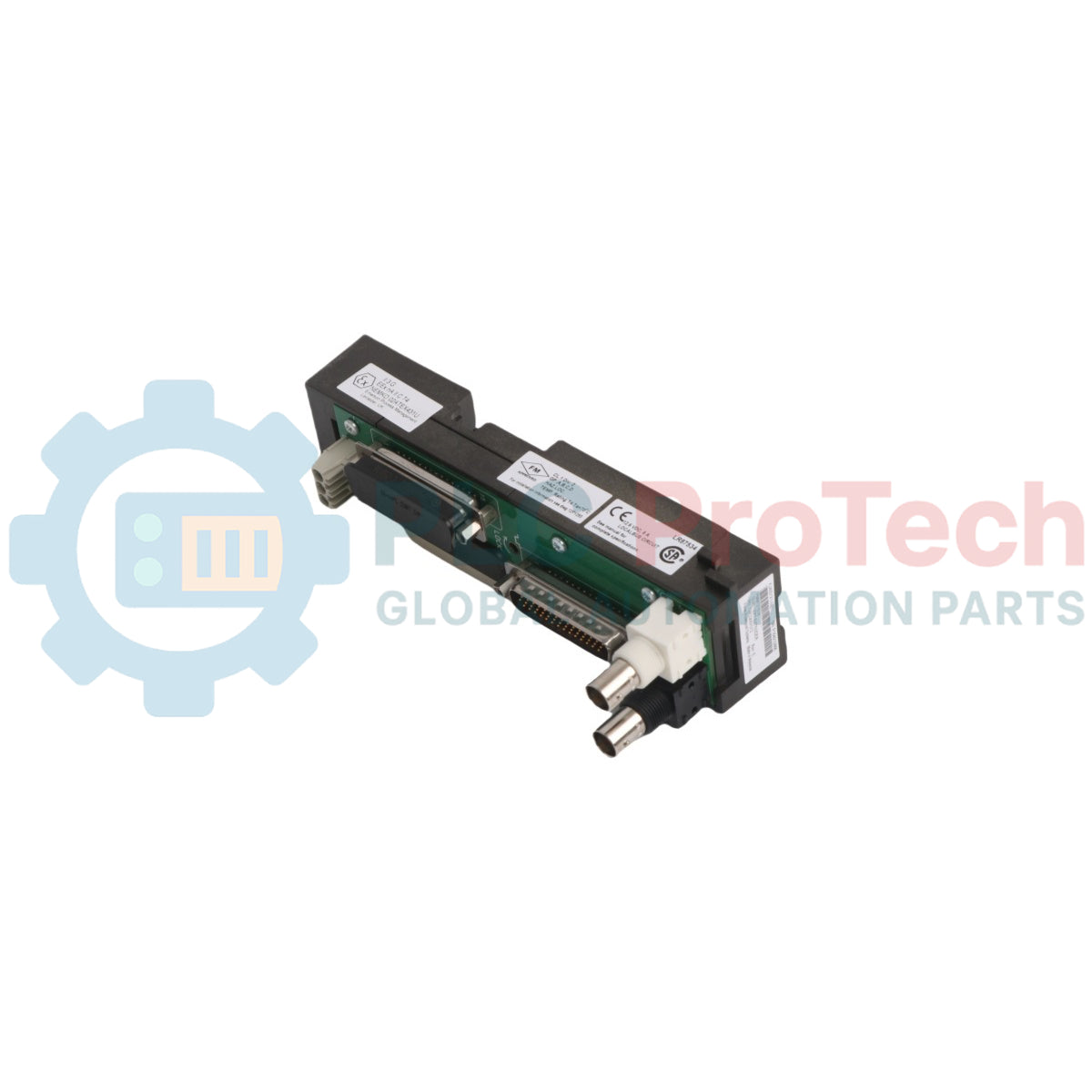
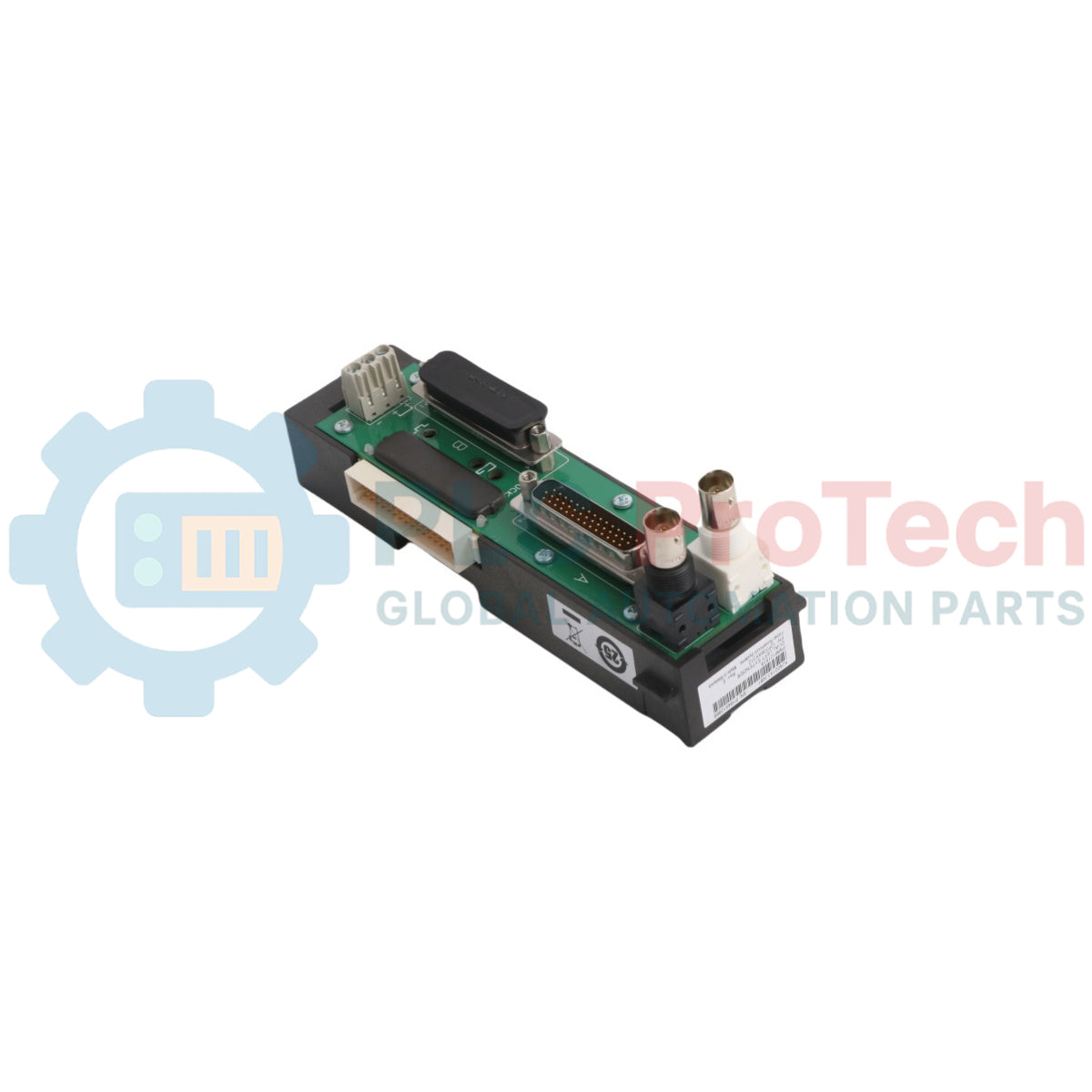
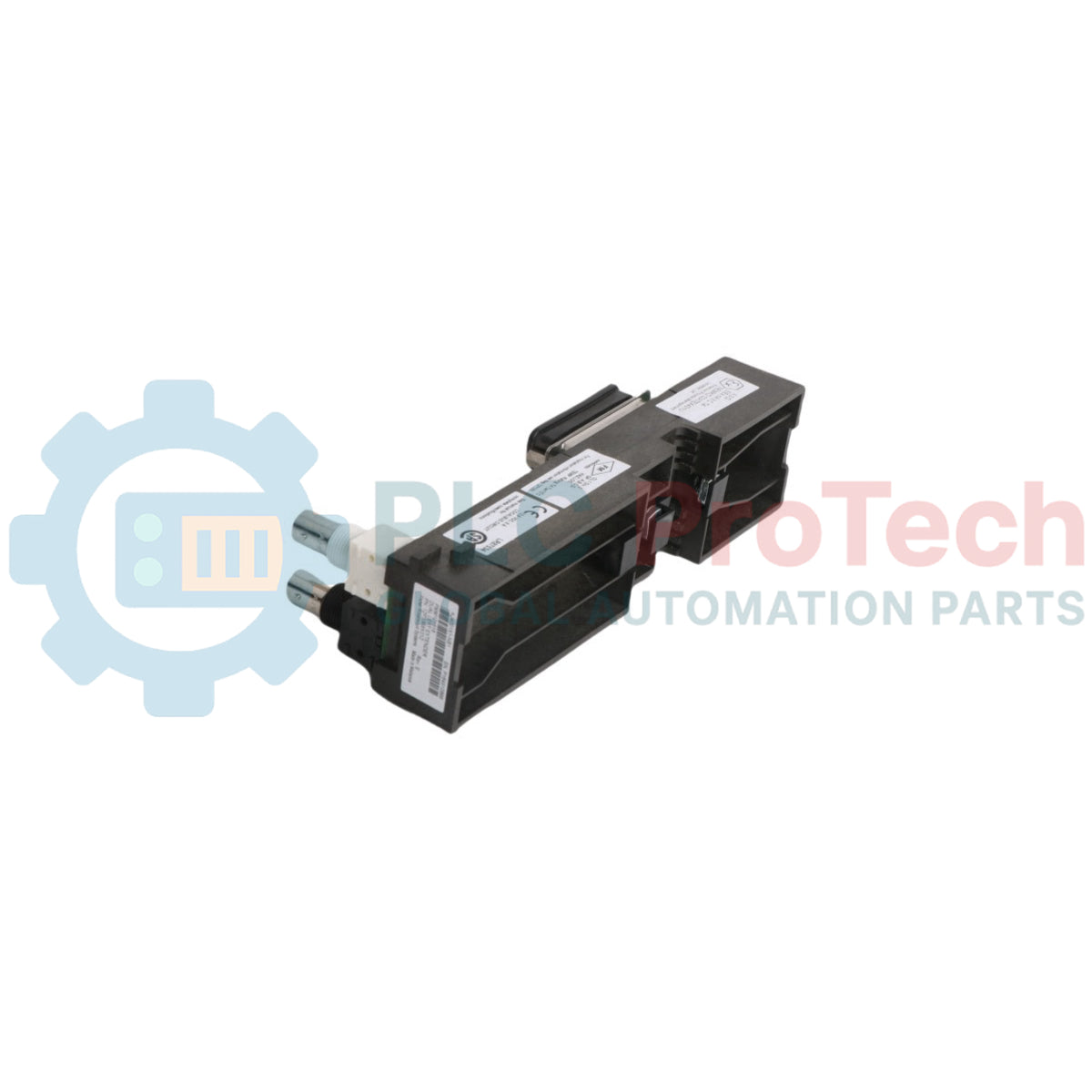
Le Emerson KJ4001X1-NB1 (Numéro de pièce 12P3368X012) sert de liaison de données à haute vitesse au sein du système de contrôle distribué DeltaV™. Ce câble Horizontal LocalBus Dual Left facilite l’interconnexion critique entre les segments porteurs redondants, étendant les bus d’alimentation et de communication du backplane du système. Conçu pour des architectures à haute disponibilité, la configuration « Dual » garantit que les chemins de données principaux et de secours restent synchronisés sur des supports matériels distincts. Ce câble spécifique à orientation « Left » permet l’extension de la capacité d’E/S tout en maintenant le déterminisme au niveau de la milliseconde requis pour le contrôle de processus complexe. En fournissant un chemin blindé à faible impédance pour les signaux LocalBus, le KJ4001X1-NB1 protège le système contre la perte de paquets de données et les interférences électromagnétiques dans des environnements industriels exigeants.
Configuration technique
Redondance à double chemin
Le faisceau de câbles contient deux ensembles indépendants de conducteurs blindés. Cette séparation physique soutient l’architecture redondante DeltaV, permettant aux commutateurs « A » et « B » du LocalBus de fonctionner simultanément. Si un chemin physique est endommagé, le système continue de fonctionner via le chemin secondaire sans déclencher de réinitialisation du processeur.
Logique d’extension LocalBus
Le KJ4001X1-NB1 agit comme une extension transparente du backplane du support. Il transporte l’alimentation 12,5 VDC pour les modules d’E/S ainsi que les lignes d’adresse et de données. La désignation « Horizontal » indique sa longueur et sa flexibilité optimisées pour les armoires où les supports sont montés côte à côte plutôt qu’empilés verticalement.
Blindage et intégrité des connecteurs
Le câble est doté d’un blindage industriel robuste et de connecteurs multi-points haute densité. Les boîtiers des connecteurs comprennent des vis à main intégrées pour éviter toute déconnexion accidentelle due aux vibrations ou contraintes mécaniques, garantissant une liaison électrique « Gas-Tight » constante.
Spécifications techniques
| Caractéristique |
Spécification |
| Numéro de modèle |
KJ4001X1-NB1 |
| Numéro de pièce |
12P3368X012 |
| Compatibilité système |
Emerson DeltaV M-Series / S-Series |
| Type de câble |
Extension redondante LocalBus |
| Orientation |
Horizontal / Dual Left |
| Type de connecteur |
Multi-points haute densité |
| Matériau de la gaine |
PVC industriel / Retardateur de flamme |
| Température de fonctionnement |
-40°C à 70°C (-40°F à 158°F) |
| Résistance aux vibrations |
IEC 60068-2-6 (1g, 10 à 150 Hz) |
| Conformité |
RoHS, CE |
Guide d’installation et de maintenance
Rayon de courbure et routage
Les techniciens doivent respecter le rayon de courbure minimum du câble (généralement 10 fois le diamètre du câble). Évitez les coudes à 90 degrés qui peuvent provoquer des désadaptations d’impédance internes ou une fatigue physique des brins de cuivre. Faites passer le câble dans des goulottes dédiées pour le séparer des câbles moteurs AC haute tension.
Alignement des connecteurs
Avant de serrer les vis captives, assurez-vous que le connecteur est parfaitement affleurant avec le port du support. Une insertion forcée peut plier les broches haute densité, entraînant des erreurs « LocalBus Fault » difficiles à diagnostiquer. Serrez les vis uniformément pour assurer une pression homogène sur la matrice de broches.
Test de continuité
En cas d’erreur de communication, effectuez un test de continuité sur les chemins primaire et redondant. Cependant, ne réalisez jamais de test d’isolement « Megger » ou haute tension sur le câble lorsqu’il est connecté aux supports DeltaV, car la tension de test détruirait l’électronique sensible des E/S.
Avantages techniques
Le KJ4001X1-NB1 simplifie les extensions complexes du système en fournissant une connexion standardisée « Plug-and-Play » pour les supports d’E/S étendus. Sa conception spécialisée « Dual Left » est cruciale pour maintenir l’intégrité spatiale des systèmes redondants, garantissant que le contrôleur peut adresser tous les modules terrain sur le plan horizontal sans pénalité de latence. L’utilisation de cuivre sans oxygène à haute flexibilité assure que le câble conserve ses caractéristiques électriques au fil des années de cycles thermiques dans une armoire de contrôle. Pour les ingénieurs concevant pour des environnements chimiques sévères ou offshore, la gaine robuste du câble offre une haute résistance à l’huile, à l’humidité et aux contaminants atmosphériques.
FAQ techniques
Q1 : Que signifie l’orientation « Left » dans la description du câble ?
R1 : Cela fait référence à l’emplacement physique du port sur le support. Les câbles « Dual Left » sont conçus pour connecter les ports gauche des supports redondants au segment précédent dans la chaîne de bus, maintenant la séquence logique correcte des nœuds DeltaV.
Q2 : Puis-je utiliser un KJ4001X1-NB1 pour connecter des supports verticalement ?
R2 : Bien que le brochage électrique soit identique, la longueur et le renfort moulé de ce câble sont spécifiquement optimisés pour un montage horizontal. L’utiliser pour des segments verticaux peut provoquer une contrainte excessive sur les connecteurs ; pour un empilement vertical, les variantes « Vertical LocalBus » sont recommandées.
Q3 : Comment le système réagit-il si une moitié du câble double est déconnectée ?
R3 : Le contrôleur DeltaV génère une alarme « LocalBus Redundancy Lost ». Le processus continue de fonctionner normalement via le chemin de câble restant, mais le système n’est plus tolérant aux pannes tant que la connexion n’est pas rétablie.
Q4 : Ce câble est-il compatible avec les matériels M-Series et S-Series ?
R4 : Oui, la couche physique LocalBus est cohérente entre ces générations DeltaV, à condition que les supports utilisés prennent en charge l’interface multi-points standard LocalBus.