


Troubleshooting Beckhoff EPP2008-0001 Output Faults
A field checklist for EPP2008-0001 current limits, supply voltage, channel LEDs, connector coding and load-related output faults.
Manufacturer: Mitsubishi Electric
Product No.: Q80BD-J71LP21-25
Country of origin:Egyesült Államok
Product Type: PCI-kommunikációs kártyák
Payment: T/T, Western Union
Weight: 1000g
Shipping port: Xiamen
Warranty: 12 months
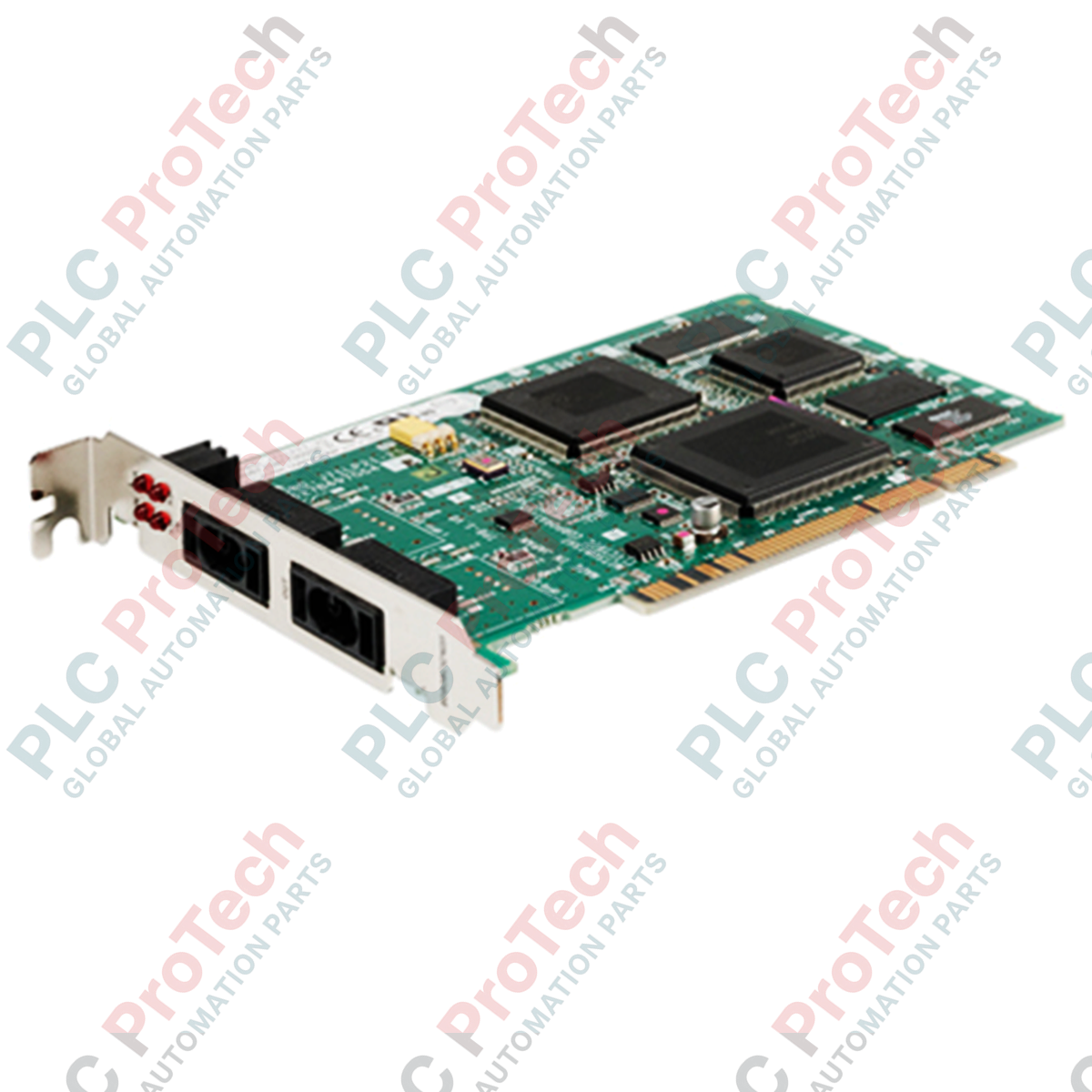
Az ipari számítógépeket közvetlenül nagy sebességű, determinisztikus vezérlőhálózatokba integráló Mitsubishi Electric Q80BD-J71LP21-25 dedikált optikaihurok-hálózati interfészkártya, amely félméretű PCI-bővítőhelyekbe szerelhető. Ez az interfészkártya zökkenőmentes, valós idejű adatcserét tesz lehetővé a gazdaszámítógép és egy MELSECNET/H vagy régebbi MELSECNET/10 PLC-hálózat között, megbízható, kettős hurkú optikai kommunikációt biztosítva. Legfeljebb 25 Mbps sebességgel működik, és nagy kapacitású ciklikus, valamint tranziens adatátvitelt támogat, így a felügyeleti rendszerek minimális késleltetéssel kapnak nagy felbontású terepi adatokat.
| Paraméter | Érték |
|---|---|
| Gyártó | Mitsubishi Electric |
| Modellszám | Q80BD-J71LP21-25 |
| Hálózattípus | MELSECNET/H (optikai hurok), MELSECNET/10-kompatibilis |
| Adatátviteli sebesség | 25 Mbps / 10 Mbps (választható) |
| Interfész-foglalat típusa | PCI-foglalat (félméretű), 1 foglalatot foglal el |
| Csatlakoztatható állomások maximális száma | 64 állomás (1 felügyeleti állomás, legfeljebb 63 normál állomás) |
| Optikai szálas csatlakozó típusa | Duplex optikai csatlakozó (F06 / F08 szabványnak megfelelő, a JIS C 5975/5977 szabványoknak megfelelő) |
| Belső áramfelvétel (5 V DC) | 0,46 A |
| Üzemi környezeti hőmérséklet | 0–55 °C |
| Tárolási környezeti hőmérséklet | -25–75 °C |
| Rezgésállóság | Megfelel a JIS B 3502 és az IEC 61131-2 szabványoknak |
| Ütésállóság | 147 m/s2 (3-szoros terhelés X, Y, Z irányban) |
| A panel nettó tömege | 0,10 kg |
| Szállítási tömeg (számított) | 1,0 kg |
| Származási ország | Japán |
| Csatlakozóport | Funkció / hozzárendelés |
|---|---|
| IN-port | Optikai adatokat fogad az előző hálózati csomóponttól (RX-szál) |
| OUT port | Optikai adatokat továbbít a következő hálózati csomópontnak (TX-szál) |
| Aranyozott PCI-élcsatlakozó | Szabványos 32 bites PCI-buszinterfész a gazdaszámítógéppel folytatott kommunikációhoz és 5 VDC tápellátás |
A Q80BD-J71LP21-25 közvetlen frissítést kínál a régebbi, örökölt interfészmegoldásokhoz képest. Migráció végrehajtásakor gondoskodjon arról, hogy a régi MELSECNET/10 protokollhoz konfigurált szoftverstruktúrák kompatibilitási módban fussanak, vagy megfelelően legyenek leképezve a MELSECNET/H bővített módjában elérhető kiterjesztett regisztertérre, amely 35 840 bájtra növeli a teljes hálózati kapacitást.
Az ipari PC-integrációk egyik gyakori hibaforrása a PCI-busz tápfeszültségének beesése. Ez a kártya kizárólag a gazdaalaplap 5 V-os tápágáról 0,46 A-t vesz fel. Ha a gazdagép hátlapja vagy tápegysége nagy feldolgozási terhelés alatt feszültségesést mutat, a kártyánál véletlenszerű kimaradások vagy a diagnosztikai állapotregiszterek alaphelyzetbe állása fordulhat elő. Mindig ellenőrizze, hogy a gazda IPC tápegysége stabil, a névleges 5 V-os tápágat pedig +/- 5%-os tűréshatáron belül tartja.
A 25 Mbps sebességen nyújtott optimális teljesítmény garantálásához az állomások közötti optikai kábel maximális hossza standard SI-szál használata esetén nem haladhatja meg a 200 métert. Ha legfeljebb 1 km-es távolság szükséges, használjon QSI- vagy nagy sávszélességű H-PCF-szálakat. Az üzembe helyezés során mindig végezzen fizikai visszahurkolási tesztet egy biztosan működő patchkábellel annak megállapítására, hogy a konfigurációs problémák a helyi PC-kártya beállításából vagy a külső optikai hálózati hurokból erednek-e.
Ez a kommunikációs kártya rendkívül érzékeny elektrosztatikus kisülésre (ESD) érzékeny alkatrészeket tartalmaz. A ház felnyitása előtt teljesen válassza le a gazdaszámítógépet a hálózati tápellátásról, és süsse ki az összes fennmaradó kapacitív töltést. A kártya kezelésekor mindig viseljen földelt csuklópántot a kapuoxid végzetes károsodásának megelőzésére.
Kapcsolja ki a gazda ipari számítógépet, húzza ki a tápkábelt, majd távolítsa el a külső házburkolatot a PCI-foglalatok szabaddá tételéhez.
Keressen egy üres, félmagas, kompatibilis 32 bites PCI-foglalatot. Távolítsa el a hozzá tartozó üres hátlapot a ház keretéből.
Igazítsa a kártya aranyozott élcsatlakozóját a PCI-foglalathoz, határozottan nyomja lefelé, amíg teljesen a helyére nem kerül, majd rögzítse a tartókonzolt a rögzítőcsavarral.
Távolítsa el az optikai adó-vevő portjainak védőporvédő kupakjait. Csatlakoztassa a bejövő optikai kábelt az IN porthoz, a kimenő optikai kábelt pedig az OUT porthoz, és ellenőrizze, hogy az igazítócsapok biztonságosan a helyükre pattantak.
Zárja le a PC-házat, kapcsolja be a tápellátást, majd indítsa el a Mitsubishi csatorna-segédszoftvert az állomásszámok és az átviteli módok beállításához.

Global Express Shipping
Returns & Warranty


Globális expressz szállítás
Visszaküldés és garancia
A megrendeléseket hétfőtől péntekig dolgozzuk fel és szállítjuk (állami ünnepnapok kivételével).
A teljes jogosultság, a készletfeltöltési díjak és a nemzetközi visszaküldési részletek megtekintéséhez kérjük, tekintse meg hivatalos oldalunkat Visszatérítési és Visszaküldési Szabályzat .
| Country of origin |
Egyesült Államok
|

A field checklist for EPP2008-0001 current limits, supply voltage, channel LEDs, connector coding and load-related output faults.

Mielőtt egy Beckhoff C9900-L100 segítségével áthelyezné a TwinCAT 3 licencet, ellenőrizze a TwinCAT buildjét, az XML-eszközleírást, a pontos rendelési kódot és a szekrény korlátait.

Helyszíni ellenőrzőlista a Beckhoff EL4032 cseréjéhez, amely kitér a ±10 V-os terhelésre, a sorkapocskiosztásra, a tápérintkezőkre, az EtherCAT állapotára és a watchdog működésére.

Egy Yokogawa AAI835 cseréje előtt ellenőrizze a 4 bemeneti/4 kimeneti csatornakiosztást, az áramkimaradáskori hurok viselkedését, a leválasztó típusát, a kimeneti terhelést, a kábelt és a...

Az ABB PM891K01, 3BSE053241R1 cikkszámú termék a nem redundáns AC 800M processzorkészlet. Csere előtt használja ezt a terepi ellenőrzőlistát.

Csereellenőrzések ABB TP853 3BSE018126R1 esetén: azonosítsa a telepített CI853, CI855, CI857 vagy CI861 interfészt, dokumentálja a bekötést, és a telepítés után ellenőrizze a kommunikációt.