


Merancang Redundansi Daya dan Komunikasi
Rancang redundansi sistem kendali dengan memetakan dependensi bersama, memisahkan jalur daya dan jaringan, menentukan perilaku failover, menampilkan operasi terdegradasi, dan menguji pembuktian...
Produsen: ABB
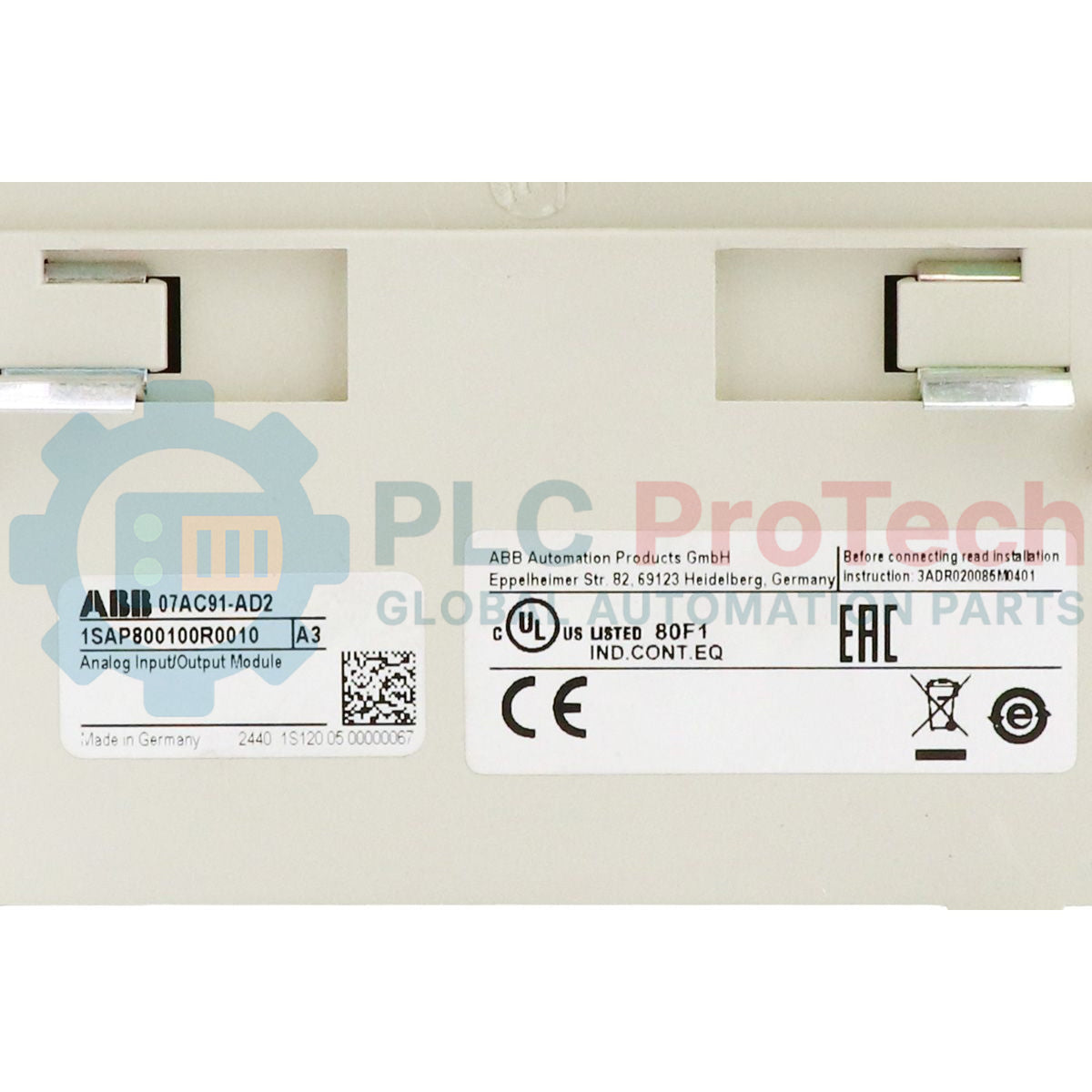
Nomor Produk: 1SAP800100R0010
Negara asal:Swedia
Jenis Produk: Modul I/O Analog
Kode batang: 85371091
Pembayaran: T/T, Western Union
Berat: 40000g
Dimensi: 120 mm x 80 mm x 60 mm
Pelabuhan pengiriman: Xiamen
Garansi: 12 bulan
Dirancang untuk integrasi yang lancar ke dalam jaringan otomasi industri terdesentralisasi, ABB 1SAP800100R0010 berfungsi sebagai modul masukan/keluaran konfigurasi analog 07AC91-AD2 yang sangat andal. Beroperasi dengan protokol fieldbus CS31 yang tangguh, unit ini memfasilitasi penanganan instrumentasi analog jarak jauh berdensitas tinggi tanpa memerlukan ruang panel yang berlebihan. Dilengkapi 8 masukan analog dan 8 keluaran analog dengan resolusi 12 bit plus tanda, modul ini mendukung sinyal tegangan (U) dan arus (I). Dirancang untuk kemampuan beradaptasi, perangkat keras ini mendukung skema koneksi fisik 2 kabel dan 3 kabel, sehingga sangat kompatibel dengan sensor dan pemancar industri standar.
| Parameter | Spesifikasi |
|---|---|
| Produsen | ABB |
| Kode Pemesanan | 1SAP800100R0010 |
| Penamaan Model | 07AC91-AD2 |
| Jenis Modul | Modul Masukan/Keluaran Konfigurasi Analog |
| Masukan Analog | 8 (Dapat Dikonfigurasi; Tegangan/Arus) |
| Keluaran Analog | 8 (Dapat Dikonfigurasi; Tegangan/Arus) |
| Resolusi | 12 bit + tanda |
| Catu Daya Tambahan | 24 VDC |
| Bus Sistem | Bus CS31 |
| Jenis Pengkabelan yang Didukung | 2 kabel, 3 kabel |
| Metode Koneksi | Terminal yang dapat dilepas |
| Kode Komoditas | 85371091 |
| Berat Pengiriman (Dihitung) | 0.20 kg |
| Dimensi Kemasan (Dihitung) | 120 mm x 80 mm x 60 mm |
| Grup Antarmuka | Penetapan Terminal / Port | Detail Fungsional |
|---|---|---|
| Catu Daya | L+, M | Masukan daya tambahan eksternal 24 VDC dan ground sistem. |
| Fieldbus CS31 | Bus1, Bus2, Shield | Jalur bus komunikasi serial sistem dan ground bumi untuk pelindung. |
| Masukan Analog | I0+ hingga I7+, Common | Kanal yang dikonfigurasi untuk loop tegangan atau arus aktif/pasif. |
| Keluaran Analog | O0+ hingga O7+, Common | Sinyal keluaran tegangan/arus terkontrol untuk aktuator lokal. |
Modul 07AC91-AD2 terintegrasi langsung dengan pengontrol master AC31 lama dan dapat diintegrasikan ke sistem AC500 yang lebih baru menggunakan modul master bus CS31 yang sesuai (seperti CI590 atau port serial terintegrasi yang dikonfigurasikan untuk CS31). Pastikan perangkat lunak konfigurasi PLC memuat profil deskripsi konfigurasi modul GSD atau yang setara yang benar dan sesuai dengan revisi indeks perangkat keras 1SAP800100R0010 secara tepat untuk mencegah ketidakcocokan konfigurasi sistem selama komisioning.
Kesalahan komunikasi umum pada bus CS31 biasanya disebabkan oleh terminasi bus yang salah atau jalur cabang (stub) yang panjang. Pastikan resistor terminasi 120 Ohm terpasang pada titik ujung fisik jaringan CS31. Karena sensitivitas tinggi konversi analog 12-bit, jangan pernah merutekan kabel input analog secara paralel dengan jalur bertegangan tinggi atau penggerak motor AC tanpa mempertahankan jarak pemisahan standar dan penghalang pelindung fisik yang memadai.
Selalu konfigurasikan sakelar alamat putar modul sebelum sistem melakukan boot. Master bus CS31 memindai rentang alamat saat startup; mengubah alamat secara dinamis ketika unit aktif akan menyebabkan gangguan bus pada CPU master. Hubungkan kabel pelindung sinyal langsung ke bus batang arde fungsional (FE) di dalam kabinet kontrol, dan hindari mengarde pelindung di kedua ujung untuk menghilangkan risiko arus loop arde yang merusak.
Isolasi semua sumber daya listrik sebelum melakukan pemasangan fisik, penyambungan terminal, atau konfigurasi sakelar alamat. Kegagalan mematikan sumber 24 VDC eksternal dan jalur catu daya bertegangan tinggi dapat menyebabkan sengatan listrik fatal, kerusakan modul, atau operasi loop kontrol yang tidak menentu.


Global Express Shipping
Returns & Warranty



Pengiriman Ekspres Global
Pengembalian & Garansi
Pesanan diproses dan dikirimkan Senin-Jumat (tidak termasuk hari libur nasional).
Untuk kelayakan penuh, biaya pengisian ulang, dan detail pengembalian internasional, silakan lihat resmi kami Kebijakan Pengembalian & Pengembalian Dana .
| Country of origin |
Swedia
|

Rancang redundansi sistem kendali dengan memetakan dependensi bersama, memisahkan jalur daya dan jaringan, menentukan perilaku failover, menampilkan operasi terdegradasi, dan menguji pembuktian...

Metode pemecahan masalah panel kontrol terstruktur yang mencakup pekerjaan aman, gambar rangkaian, jalur daya, proteksi cabang, catu daya DC, sirkuit balik, output PLC, catatan gangguan, dan...

Panduan praktis pengujian tegangan untuk panel kontrol industri, yang mencakup titik referensi, pemilihan multimeter, pemeriksaan bertegangan–tidak bertegangan–bertegangan, penurunan tegangan,...

Panduan praktis lockout-tagout yang mencakup identifikasi energi berbahaya, isolasi, pengendalian energi tersimpan, verifikasi, pekerjaan kelompok, pengujian sementara, pemulihan, inspeksi, dan audit.

Panduan lapangan untuk penyiapan udara bertekanan di titik penggunaan yang mencakup filter, regulator, pembuangan, pengering, pelumasan, kehilangan tekanan, isolasi, pemantauan, komisioning, dan...

Panduan praktis tentang katup pneumatik manual, pilot, dan solenoid, yang mencakup fungsi port, perilaku monostabil dan bistabil, output PLC, kondisi aman, komisioning, serta diagnosis gangguan.