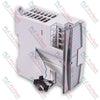
Opis produktu
KL3464 (KL3464) to wysokiej gęstości 4-kanałowy terminal wejść analogowych przeznaczony do systemu Beckhoff Bus Terminal. Został zaprojektowany do przetwarzania standardowych sygnałów przemysłowych w zakresie od 0 do 10 V. Łącząc cztery niezależne kanały w jednej obudowie o szerokości 12 mm, KL3464 zapewnia wydajne i oszczędzające miejsce rozwiązanie do akwizycji danych z wielu czujników. Każde wejście jest cyfryzowane z rozdzielczością 12-bitową, oferując niezawodny kompromis między szybkością a precyzją podczas monitorowania zmiennych procesowych, takich jak ciśnienie, przepływ i pozycja, w zautomatyzowanych systemach produkcyjnych i sterowania budynkami.
Wysokiej gęstości przetwarzanie sygnałów
Beckhoff KL3464 zoptymalizowano pod kątem systemów wymagających dużej liczby punktów analogowych przy zachowaniu kompaktowych wymiarów. Każdy z czterech kanałów jest przesyłany do nadrzędnego urządzenia automatyki z izolacją elektryczną 500 V, chroniąc wewnętrzną magistralę K-bus przed zakłóceniami elektrycznymi po stronie obiektowej. Terminal pracuje z czasem konwersji wynoszącym około od 2 ms do 4 ms, zapewniając bieżącą aktualizację obrazu procesu PLC o aktualne dane obiektowe. Konstrukcja typu „Plug-and-Play” oznacza, że nie są wymagane ręczne ustawienia adresów ani konfiguracji, co znacznie upraszcza uruchamianie rozbudowanych instalacji wejść/wyjść.
Specyfikacja techniczna
| Atrybut |
Szczegóły specyfikacji |
| Model |
KL3464 |
| Marka |
Beckhoff |
| Liczba wejść |
4 |
| Napięcie sygnału |
0 do 10 V |
| Rozdzielczość |
12-bitowa |
| Czas konwersji |
~2 ms do 4 ms |
| Rezystancja wewnętrzna |
> 130 kΩ |
| Błąd pomiaru |
< ±0,3% (w odniesieniu do wartości pełnej skali) |
| Szerokość słowa w obrazie procesu |
4 x dane 16-bitowe |
| Izolacja elektryczna |
500 V (K-bus/napięcie sygnału) |
| Temperatura pracy |
-25 do +60 °C |
| Masa |
~75 g |
| Masa wysyłkowa |
1 kg |
Najczęściej zadawane pytania techniczne
Jak rozdzielczość 12-bitowa przekłada się na dane 16-bitowe w obrazie procesu?
Chociaż wewnętrzny przetwornik analogowo-cyfrowy (ADC) zapewnia rozdzielczość 12-bitową, dane są mapowane na słowo 16-bitowe (4 x 16-bitowe) w obrazie procesu. Jest to zgodne ze standardowym formatem danych Beckhoff, w którym zmierzona wartość 12-bitowa jest zazwyczaj wyrównana do lewej, co umożliwia spójne przetwarzanie danych w oprogramowaniu PLC dla różnych typów terminali.
Jaka jest zaleta wysokiej rezystancji wewnętrznej (> 130 kΩ)?
Wysoka rezystancja wewnętrzna gwarantuje, że KL3464 obciąża źródło sygnału (czujnik) w pomijalnym stopniu. Zapobiega to „spadkowi napięcia” i zapewnia pomiar rzeczywistego wyjścia czujnika przez terminal, utrzymując wysoką dokładność na wszystkich czterech kanałach.
Czy ten moduł wymaga zewnętrznego zasilania czujników?
KL3464 jest zasilany przez magistralę K-bus w zakresie wewnętrznej logiki. Same czujniki 0–10 V zazwyczaj wymagają zewnętrznego zasilacza 24 V DC. Należy upewnić się, że masa czujnika jest prawidłowo połączona z punktem wspólnym terminala, aby zachować integralność sygnału.
Inżynieria obiektowa i instrukcja instalacji
-
Gęstość okablowania: Cztery kanały w jednym terminalu wymagają odpowiedniego zarządzania przewodami. Jeśli zastosowanie wymaga podłączania przewodów za pomocą złączy w celu szybszej wymiany modułu podczas konserwacji, należy użyć wariantu KS3464 .
-
Zasady ekranowania: Sygnały analogowe są podatne na zakłócenia elektromagnetyczne. Należy stosować ekranowane przewody ze skręconymi parami i podłączyć ekran do uziemionej szyny DIN za pomocą zacisków ekranów Beckhoff (KL9195 lub podobnych), aby utrzymać błąd pomiaru poniżej wartości granicznej ±0,3%.
-
Odporność środowiskowa: Szeroki zakres temperatury pracy (-25 do +60 °C) sprawia, że KL3464 nadaje się do nieogrzewanych szaf sterowniczych lub obudów zewnętrznych, pod warunkiem zachowania stopnia ochrony IP20 i unikania kondensacji.
Zalety inżynieryjne
KL3464 stanowi idealny kompromis między kosztami a wydajnością w przemysłowych projektach B2B. Możliwość obsługi czterech sygnałów w jednym gnieździe zmniejsza całkowitą szerokość stacji wejść/wyjść, bezpośrednio obniżając koszty szafy. Zgodność terminala z normami EN 61000-6-2/4 zapewnia niezawodną pracę w środowiskach o wysokim poziomie zakłóceń elektrycznych, natomiast certyfikaty takie jak UL, Ex i GL sprawiają, że jest to uniwersalny komponent do zastosowań morskich, w strefach zagrożonych wybuchem i w ogólnych zastosowaniach przemysłowych.