


Wymiana modułu Beckhoff EL4032: okablowanie i sprawdzanie wyjść
Terenowa lista kontrolna wymiany modułu Beckhoff EL4032, obejmująca obciążenie ±10 V, mapę zacisków, styki zasilania, stan EtherCAT i działanie watchdogа.
Manufacturer: Mitsubishi Electric
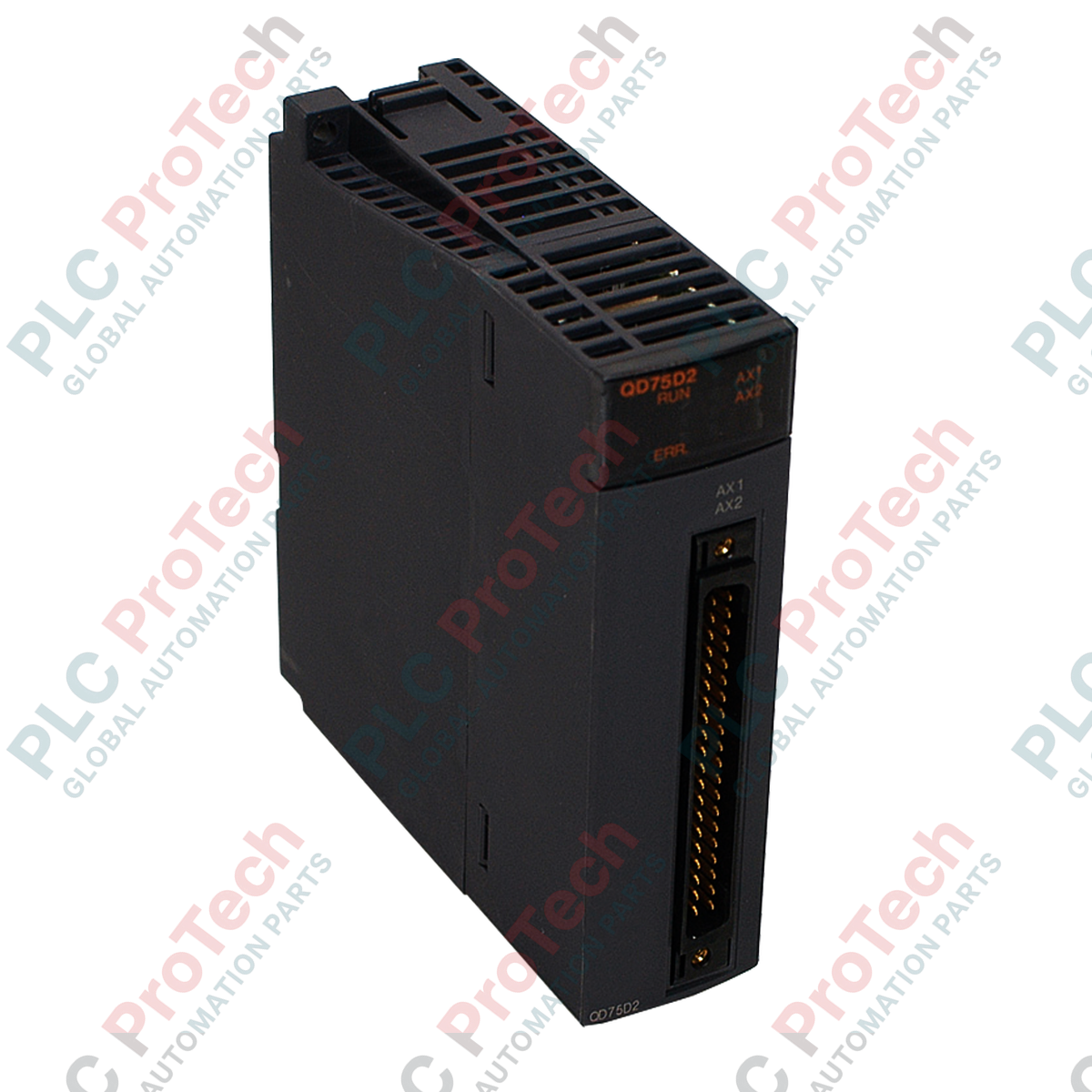
Product No.: QD75D2
Country of origin:Stany Zjednoczone
Product Type: Moduły pozycjonujące PLC
Payment: T/T, Western Union
Weight: 1000g
Shipping port: Xiamen
Warranty: 12 months
Do precyzyjnego wieloosiowego sterowania ruchem w architekturze MELSEC Q Series moduł Mitsubishi Electric QD75D2 zapewnia wyjścia impulsowe różnicowego sterownika typu line driver dla maksymalnie dwóch niezależnych osi. Ten wydajny moduł pozycjonowania umożliwia bezpośrednią integrację sterowania punkt-punkt, prędkość–pozycja oraz sterowania interpolowaną trajektorią — od magistrali sterownika PLC do serwonapędów o wysokiej rozdzielczości.
| Parametr | Wartość specyfikacji |
|---|---|
| Producent | Mitsubishi Electric |
| Numer modelu | QD75D2 |
| Sterowane osie | 2 osie |
| Typ wyjścia | Sterownik różnicowy (line driver) |
| Maks. częstotliwość impulsów wyjściowych | 1 Mpps |
| Maks. odległość połączenia | 10 metrów |
| Funkcje interpolacji | Interpolacja liniowa 2-osiowa, interpolacja kołowa 2-osiowa |
| Tryby sterowania | PTP (punkt-punkt), sterowanie trajektorią, sterowanie prędkością, przełączanie prędkość–pozycja, przełączanie pozycja–prędkość |
| Punkty danych pozycjonowania | 600 punktów danych na oś (nr 1–600) |
| Pamięć podtrzymywana | Pamięć Flash ROM (maks. 100 000 cykli zapisu) |
| Wewnętrzny pobór prądu | 0,56 A (przy 5 V DC) |
| Zajęte punkty wejścia/wyjścia | 32 punkty (przypisanie modułu funkcji inteligentnych) |
| Złącza interfejsów zewnętrznych | A6CON1, A6CON2, A6CON4 (sprzedawane oddzielnie) |
| Obsługiwany przekrój przewodu | 0,3 mm2 (A6CON1/A6CON4), AWG 24 (A6CON2) |
| Kraj pochodzenia | Japonia |
| Masa wysyłkowa (obliczona) | 1,00 kg |
QD75D2 ma wyjścia różnicowego sterownika linii, co odróżnia go od modułu QD75P2 z wyjściami typu otwarty kolektor. QD75P2 jest ograniczony do częstotliwości wyjściowej 200 kpps i fizycznej długości przewodu wynoszącej 2 metry, natomiast QD75D2 obsługuje do 1 Mpps i odległość połączenia 10 metrów. W przypadku modernizacji z modułu serii P do modułu serii D należy wymienić okablowanie zewnętrzne i sprawdzić, czy wejście impulsów poleceń wzmacniacza serwo jest skonfigurowane do odbioru sygnałów różnicowych odbiornika linii.
Podczas pracy w trybie sterowania „stopniami” upewnij się, że konfiguracja oprogramowania uwzględnia ograniczenia obrotu osi. Jeśli oś jest ustawiona na obrót ciągły, w logice PLC należy prawidłowo obsłużyć granicę przepełnienia/niedomiaru, aby zapobiec nieoczekiwanym skokom pozycjonowania. Ponadto operacje zapisu do pamięci Flash ROM należy wykonywać z zachowaniem ostrożności; nie przekraczaj limitu 100,000 cykli, wykonując automatyczne zapisy w blokach wykonywanych cyklicznie.
Zawsze stosuj ekranowane przewody skręcane parami do linii wyjściowych impulsów, aby ograniczyć zakłócenia elektromagnetyczne (EMI). Ekran należy uziemić w punkcie wejścia do szafy sterowniczej. Podczas okablowywania złączy A6CON1 lub A6CON4 upewnij się, że przekrój przewodu wynosi dokładnie 0.3 mm2, aby zapewnić stabilne mechaniczne zamocowanie przewodu w zacisku i zapobiec sporadycznej utracie sygnału wskutek drgań szafy.
OSTRZEŻENIE KRYTYCZNE:
Przed instalacją, demontażem lub podłączaniem przewodów modułu QD75D2 upewnij się, że główne zasilanie kasety PLC oraz wszystkie zewnętrzne źródła zasilania wzmacniaczy serwo są całkowicie odłączone. Nieprzestrzeganie tego zalecenia może spowodować porażenie prądem, uszkodzenie modułu lub niezamierzony ruch maszyny.
Wyrównaj dolny zatrzask mocujący modułu z gniazdem w jednostce bazowej serii Q, a następnie mocno wciśnij moduł w złącze płyty montażowej.
Przymocuj moduł do jednostki bazowej za pomocą górnej śruby mocującej (dokręć ją momentem określonym w instrukcji, zazwyczaj od 0.36 do 0.48 N·m).
Podłącz wstępnie okablowane złącze zewnętrzne A6CON1, A6CON2 lub A6CON4 do przedniego interfejsu modułu, upewniając się, że mechanizm blokady złącza jest całkowicie zablokowany.
Włącz zasilanie kasety PLC, sprawdź, czy dioda LED „RUN” na module się świeci, a następnie użyj GX Works do wstępnej konfiguracji parametrów i przeprowadzenia testów.

Global Express Shipping
Returns & Warranty


Globalna ekspresowa wysyłka
Zwroty i gwarancja
Zamówienia są przetwarzane i dostarczane od poniedziałku do piątku (z wyłączeniem dni świątecznych).
Aby poznać pełne warunki kwalifikowalności, opłaty za przyjęcie towaru z powrotem oraz szczegóły dotyczące zwrotów międzynarodowych, prosimy zapoznać się z naszym oficjalnym Polityka zwrotów i zwrotu pieniędzy .
| Country of origin |
Stany Zjednoczone
|

Terenowa lista kontrolna wymiany modułu Beckhoff EL4032, obejmująca obciążenie ±10 V, mapę zacisków, styki zasilania, stan EtherCAT i działanie watchdogа.

Przed wymianą Yokogawa AAI835 sprawdź mapę kanałów 4 wejścia/4 wyjścia, zachowanie pętli przy utracie zasilania, typ bariery, obciążenie wyjścia, kabel i redundancję.

ABB PM891K01, artykuł 3BSE053241R1, to nieredundantny zestaw procesora AC 800M. Przed wymianą skorzystaj z tej listy kontrolnej.

Kontrole wymiany dla ABB TP853 3BSE018126R1: zidentyfikuj zainstalowany interfejs CI853, CI855, CI857 lub CI861, zapisz okablowanie i zweryfikuj komunikację po instalacji.

Weryfikacja parametrów technicznych sterownika Allen-Bradley 5069-L330ERMS2: możliwości sterownika, osobne zestawy RTB, limity lokalnych modułów I/O, limity liczby węzłów sieciowych oraz liczba osi...

Kontrole, które należy zapisać przed wymianą sterownika ABB 3HNE 00006-1 DSQC 351: generacja sterownika, okablowanie X3/X5/X20/X21, ustawienia DeviceNet, mapowanie INTERBUS oraz stany diod LED.