


Derivative Action in PID Control Without Noise Problems
Learn what derivative action contributes to a PID loop, why it can amplify measurement noise and setpoint changes, and how filtering, sampling, and staged tests make D tuning safer.
Manufacturer: Bently Nevada
Product No.: 330130-070-00-CN
Country of origin:United States
Product Type: 3300 XL Standard Extension Cable
Payment: T/T, Western Union
Weight: 1500g
Shipping port: Xiamen
Warranty: 12 months
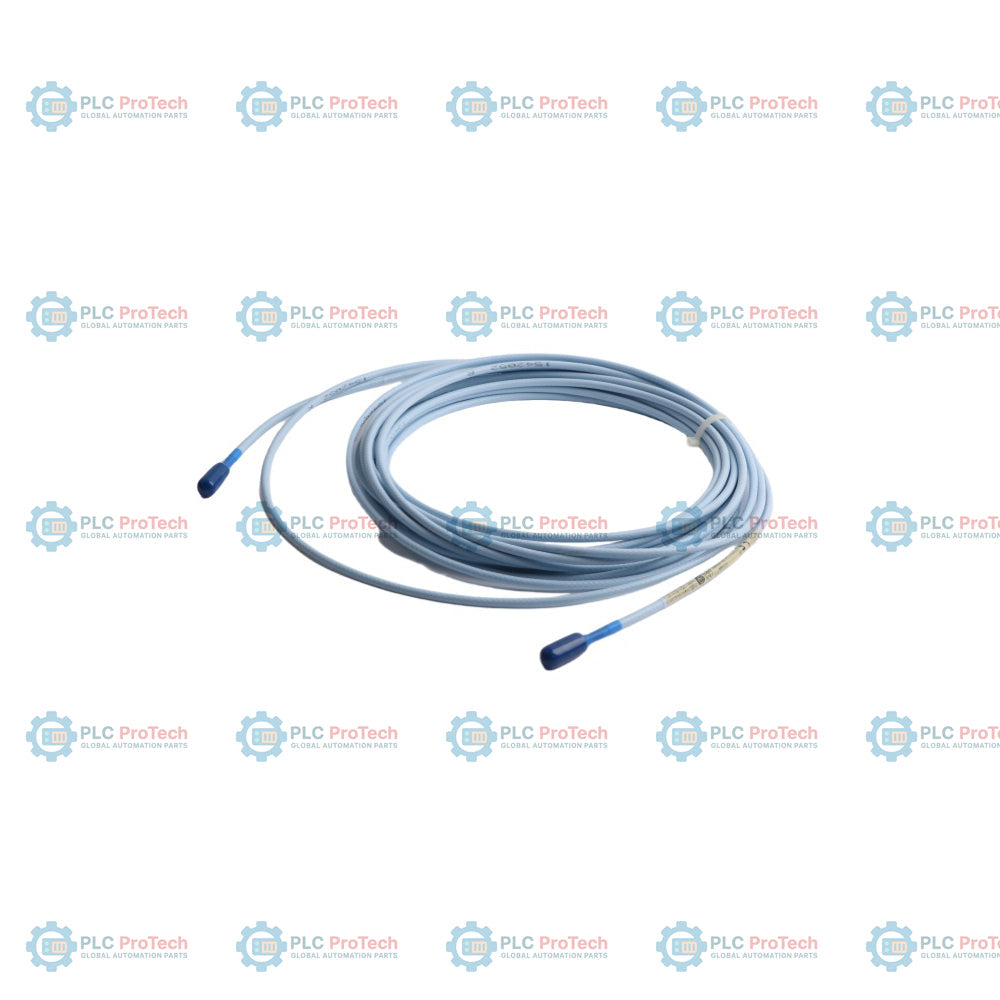
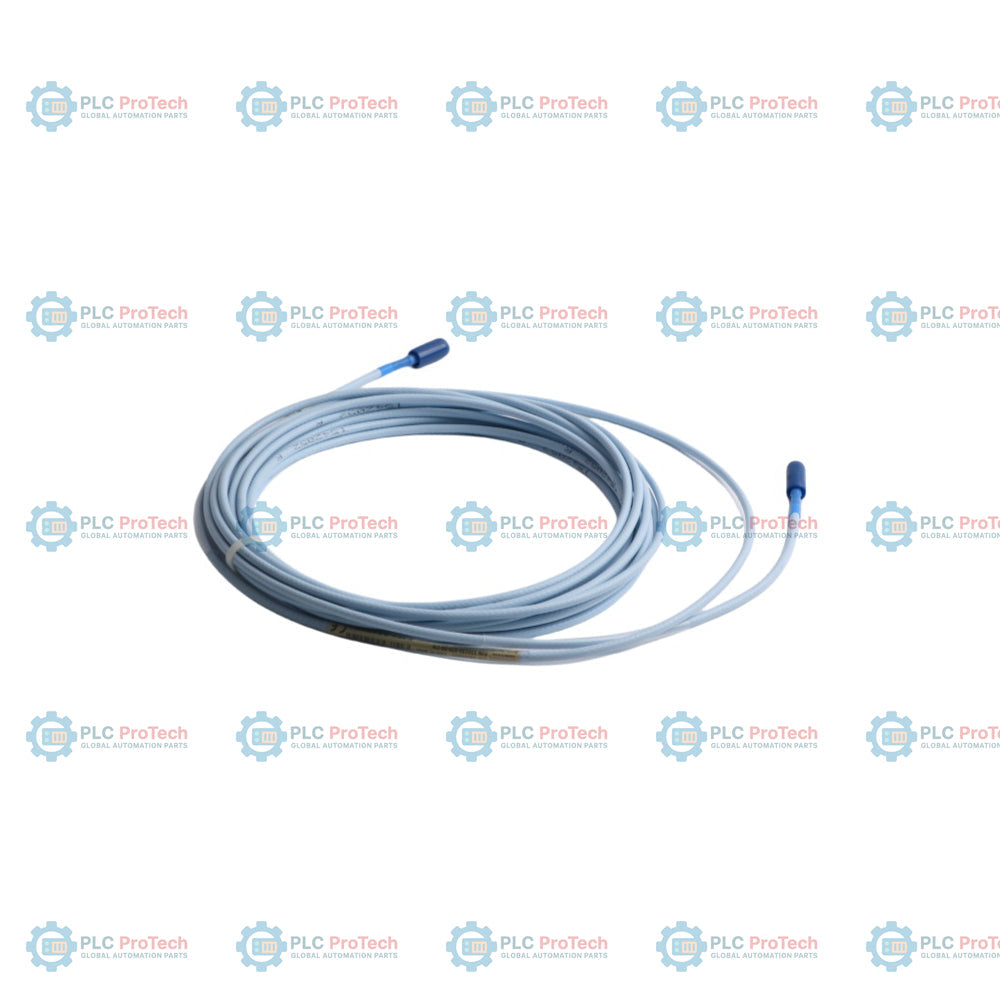
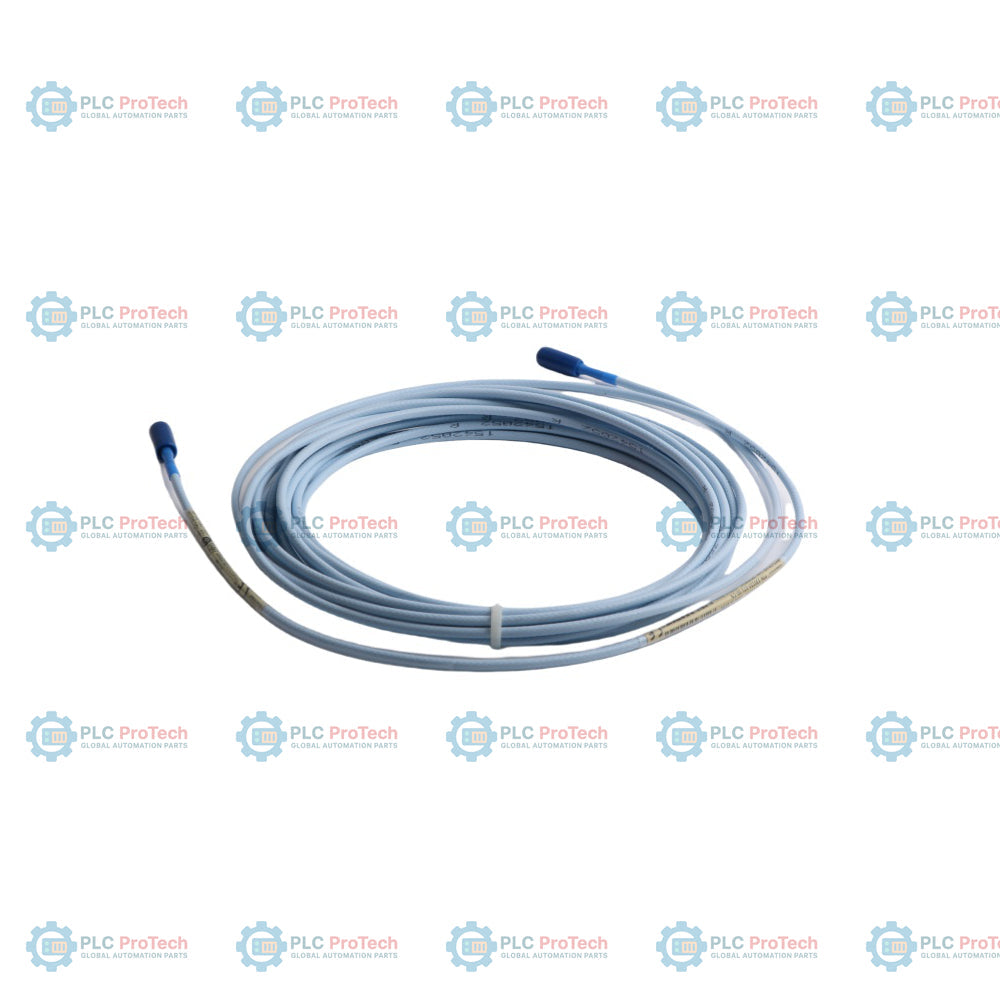
330130-070-00-CN is a Bently Nevada 3300 XL extension cable used in vibration monitoring systems for turbines, compressors, generators, and other critical rotating equipment. It connects proximity probes to Proximitor modules and ensures stable signal transmission within the eddy-current measurement loop.
This 7.0 m cable supports medium-range installation layouts in industrial skids and turbine housings. It maintains impedance stability under vibration, thermal cycling, and electrical noise conditions. In condition monitoring systems, this cable plays a direct role in preserving signal accuracy and preventing false vibration alarms that can trigger unnecessary shutdowns.
The CN configuration provides region-specific compliance support while maintaining full compatibility with standard 3300 XL system architecture used globally in power generation and process industries.
| Segment | Meaning |
|---|---|
| 330130 | 3300 XL extension cable series |
| 070 | 7.0 m cable length |
| 00 | Standard cable construction |
| CN | Regional compliance approval option |
The structure defines physical length, construction type, and regulatory classification within the Bently Nevada 3300 XL monitoring ecosystem.
| Parameter | Specification |
|---|---|
| Model | 330130-070-00-CN |
| Brand | Bently Nevada |
| Origin | United States |
| Weight | 1.5 kg |
| Cable Length | 7.0 m |
| Cable Type | 3300 XL standard extension cable |
| Electrical Design | 75 ohm triaxial compatible |
| Operating Temperature | -51 to 177 deg C |
| Power Requirement | Passive component |
| Application | Proximity probe signal transmission |
| System Compatibility | Bently Nevada 3300 XL systems |
Extension cables in Bently Nevada systems are not interchangeable without system consideration. Buyers must confirm three key parameters before purchase:
First, verify total loop length including probe, extension cable, and Proximitor input requirements. Incorrect length selection affects gap voltage scaling and vibration accuracy.
Second, confirm connector type compatibility. 3300 XL systems require matched coaxial connector standards to ensure stable signal integrity under vibration conditions.
Third, evaluate environmental exposure. In turbine and compressor installations, cable routing must account for heat, oil mist, and continuous vibration stress.
For long-term procurement planning, engineers typically standardize cable lengths across multiple machines to simplify spare parts inventory and reduce maintenance complexity.
This product is designed for industrial monitoring systems only and must be installed by qualified instrumentation personnel.
Incorrect installation or mismatch with non-3300 XL components may result in signal distortion or monitoring failure.
CN approval versions are intended for region-specific regulatory compliance. Buyers should confirm required certification scope before deployment in hazardous areas.
All cables should be stored in controlled environments before installation to avoid insulation aging or connector contamination.
Maintain physical separation between signal cables and high-voltage power lines to reduce electromagnetic interference in VFD-driven systems.
Avoid sharp bends during installation. Excess mechanical stress may degrade shielding performance and long-term impedance stability.
Use single-point grounding at the monitoring system level. Multiple grounding points can introduce loop current and measurement drift.
What causes unstable vibration readings in extension cable systems?
Improper routing, damaged shielding, or loose connector engagement are the most common causes.
Can incorrect cable length affect system calibration?
Yes. Total loop length must match system design to ensure correct gap voltage output.
Is CN version different in electrical performance?
No. CN only defines compliance approval, not electrical characteristics.
What is the most common installation error?
Incorrect cable routing near power conductors and improper connector locking.
Ensure controlled routing from probe to Proximitor to avoid EMI coupling in turbine and compressor environments.
Verify ClickLoc connector engagement during installation. Partial locking may cause intermittent signal loss under vibration.
Maintain minimum bend radius throughout cable path to preserve shielding integrity and impedance stability.


Global Express Shipping
Returns & Warranty


Global Express Shipping
Returns & Warranty
Orders are processed and delivered Monday-Friday (excluding public holidays).
For full eligibility, restocking fees, and international return details, please view our official Refund & Return Policy .
| Color pattern |
Blue
Greyish White
|
| Country of origin |
United States
|

Learn what derivative action contributes to a PID loop, why it can amplify measurement noise and setpoint changes, and how filtering, sampling, and staged tests make D tuning safer.

A practical guide to segmenting, documenting, and testing industrial Ethernet networks so plant teams can isolate faults quickly, control change, and expand without creating fragile dependencies.

Commission IO-Link systematically from master addressing and port modes through IODD selection, PLC byte mapping, parameter backups, device validation, and failure-injection tests.

A practical PowerFlex braking guide covering regenerative energy, resistor resistance and duty cycle, thermal protection, model-specific parameters, and measured commissioning tests.

An industrial joystick is only the first element in a safe motion command chain. This guide covers sensing choices, wiring, signal validation, PLC logic, restart behavior, and commissioning for...

PID tuning becomes safer when engineers can see how proportional, integral, and derivative actions reshape error, output, and response over time. This guide turns live trends into a disciplined...