1 of 3

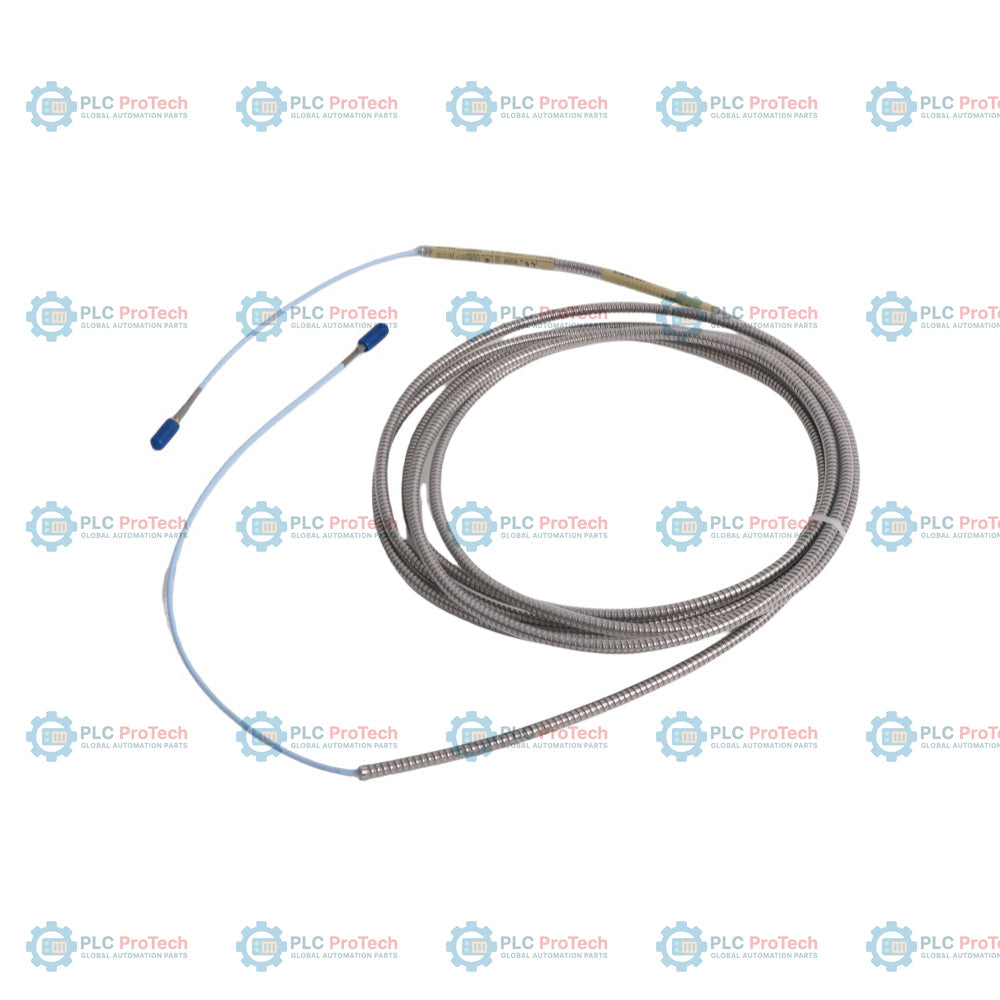
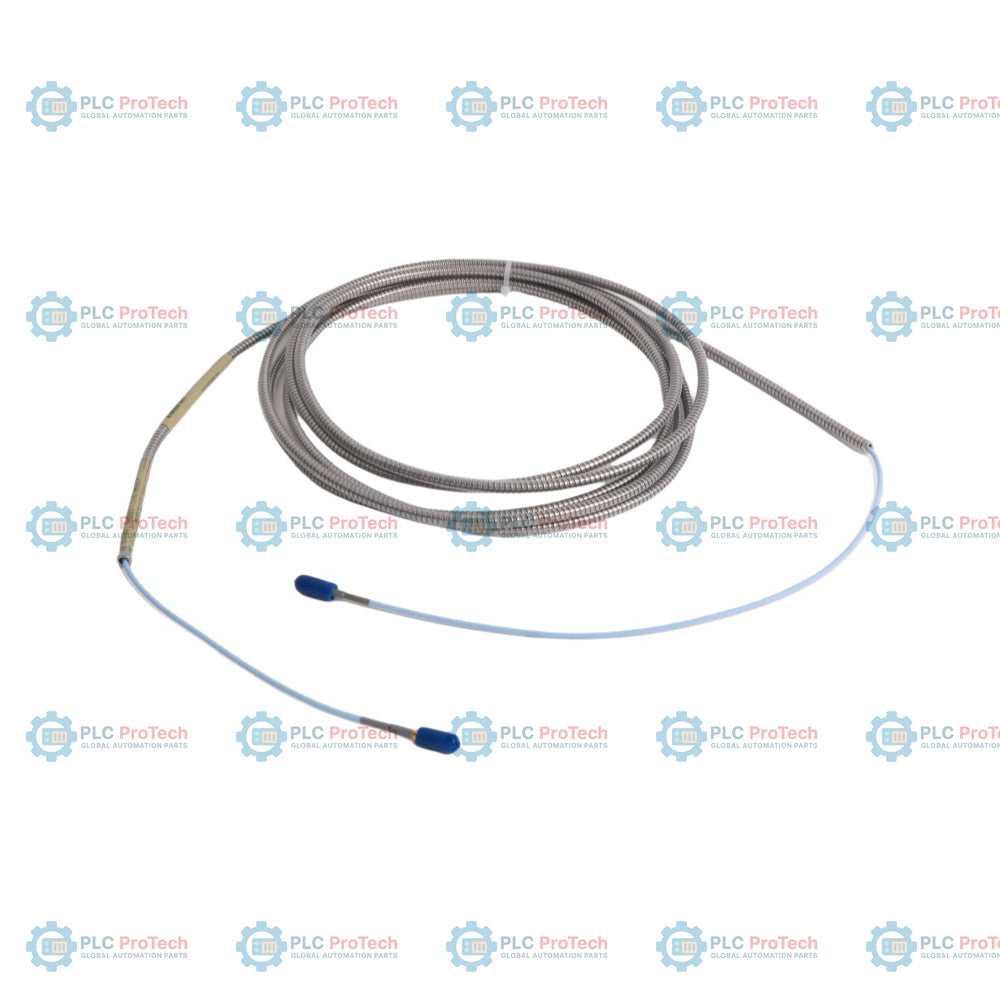
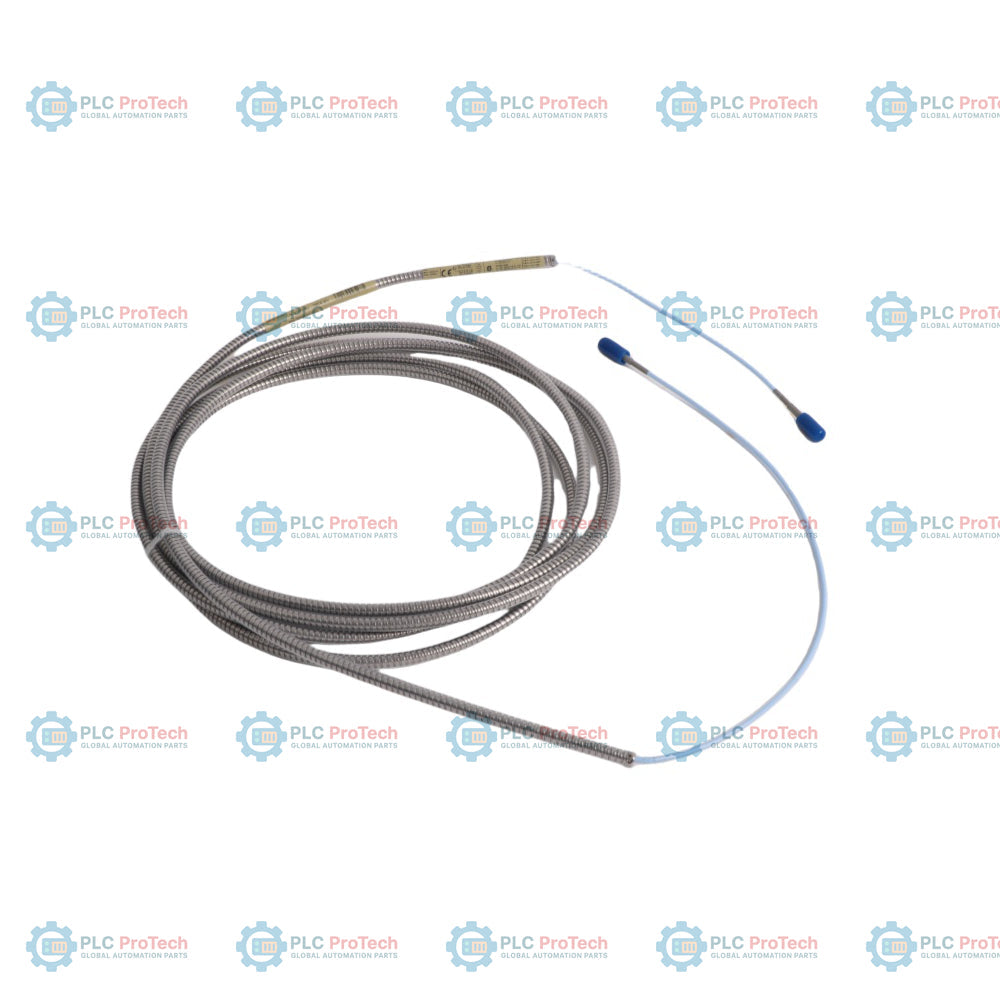
Bently Nevada 330930-045-01-05 3300 NSv Extension Cable

Bently Nevada 330930-045-01-05 3300 NSv Extension Cable

Only 2 item(s) left in stock
  • Manufacturer: Bently Nevada

  • Product No.: 330930-045-01-05

  • Country of origin:United States

  • Product Type: 3300 NSv Extension Cable

  • Barcode: 8537101190

  • Payment: T/T, Western Union

  • Weight: 202g

  • Dimensions: 4.5 meters (14.8 feet)

  • Shipping port: Xiamen

  • Warranty: 12 months

Quantity
View full details

Description

The 330930-045-01-05 is an industrial-grade 3300 XL NSv Extension Cable manufactured by Bently Nevada (a Baker Hughes business). This specialized coaxial cable provides critical low-loss signal transmission within the 3300 XL NSv Proximity Transducer System, acting as the bridge that links a 3300 NSv eddy-current proximity probe to a 3300 XL NSv Proximitor Sensor. The NSv (Narrow Side-view) system is specifically engineered for machinery with tight installation constraints—such as centrifugal air compressors, refrigeration compressors, and process gas machinery—where restricted side clearances, narrow counterbores, or small shaft diameters (smaller than 51 mm or 2 in) prevent the deployment of standard 5mm or 8mm proximity sensor configurations.

According to the official Bently Nevada system specifications, the unarmored extension cable configuration maintains a strict technical linear mass density of 45 grams per meter (0.5 oz/ft). For this specific variant featuring a 4.5-meter (14.8 feet) physical length, the net operational cable mass calculates to exactly 202.5 grams (7.14 oz), excluding the terminal connectors. This precise weight distribution is critical for field engineers calculating cable tray load limits and strain-relief drop parameters in vertical conduit runs. Protected by a high-dielectric fluorinated ethylene propylene (FEP) outer jacket, this unarmored variant (-01 option) offers maximum mechanical routing flexibility in complex conduit systems and is factory-certified with Multiple Agency Approvals (-05 option) for seamless deployment in globally classified hazardous environments.

Features

  • Complete electrical and mechanical backward compatibility with legacy Bently Nevada 3300 RAM proximity transducer systems.
  • High-precision unarmored design featuring a controlled linear mass density of 45 g/m (0.5 oz/ft) for accurate weight-load routing analysis.
  • Premium fluorinated ethylene propylene (FEP) outer cable jacket providing high dielectric strength and chemical resistance against corrosive industrial lubes and solvents.
  • Factory-terminated, gold-plated brass ClickLoc miniature coaxial connectors that lock securely to eliminate loose connections caused by severe machine vibration.
  • Specialized high-stability 75-ohm coaxial core preserving high-frequency RF signal fidelity and minimizing scale factor distortion over long terms.
  • Multiple hazardous area agency certifications ensuring seamless, safe deployment across global refinery and chemical processing assets.

Applications

  • Relaying critical dynamic radial vibration waveforms from narrow-clearance fluid-film bearings to centralized monitoring systems.
  • Interconnecting axial thrust displacement probes located inside small-shaft industrial turbomachinery assemblies.
  • Transmitting high-frequency tachometer, speed-sensing, and Keyphasor phase reference signals from restricted target areas.

Option String Breakdown

Option Code Slot Selected Option Value Technical Detail
Base Model Designation 330930 3300 NSv Extension Cable Series
A: Cable Length Option -045 4.5 meters (14.8 feet) total length
B: Connector & Cable Option -01 Standard FEP jacket coaxial cable, without stainless steel armor
C: Agency Approval Option -05 Multiple Approvals (North America, ATEX/IECEx, etc. for hazardous locations)

Technical Specifications

Parameter Detail
Manufacturer Bently Nevada (Baker Hughes)
Part Variant ID 330930-045-01-05
Transducer System Sub-Series 3300 XL NSv Proximity Transducer System
Cable Core Impedance 75 ohms nominal
Physical Cable Length 4.5 meters (14.8 feet)
Linear Mass Density (Cable) 45 g/m (0.5 oz/ft) nominal
Net Calculated Cable Weight 202.5 g (7.14 oz) calculated for 4.5m length (excluding connectors)
Armor Protection Type None (Standard unarmored FEP outer jacket)
Connector Interface Material Gold-plated brass ClickLoc male and female connections
Maximum Connector Diameter 7.2 mm (0.285 in) absolute clearing profile
Minimum Bend Radius 25.4 mm (1.0 in) minimum absolute field routing bend
Operating Temperature Range -52 degC to +100 degC (-62 degF to +212 degF)
Storage Temperature Range -52 degC to +105 degC (-62 degF to +221 degF)
Relative Environmental Humidity 100% condensing, non-submersible when connectors are insulated

Connections/Interfaces

Termination Interface Function Assignment
ClickLoc Miniature Coaxial Plug Connects tightly with the integrated lead wire connector on the 3300 NSv proximity probe
ClickLoc Miniature Coaxial Jack Standard female coaxial port coupling into the 3300 XL NSv Proximitor Sensor input terminal

Installation Guidelines

  • Total Loop Matching Rule: Always pair this 4.5-meter extension cable with a compatible 0.5-meter proximity probe to achieve the exact 5.0-meter total loop system calibration length required by the 3300 XL NSv Proximitor Sensor. Mismatching system lengths (e.g., using a 4.5-meter cable in a 7.0-meter tuned proximitor loop) will severely corrupt the system's Average Scale Factor (ASF).
  • Conduit Weight Strain Relief: For vertical conduit drops exceeding 3 meters, ensure the cable is supported properly. While the 4.5-meter cable weight is low (202.5 g), unsupported stretching under high thermal conditions can degrade the internal 75-ohm physical core geometry.
  • Connector Weatherproofing: After locking the coaxial ClickLoc joints firmly together, slide dedicated connector protectors or apply a layer of self-fusing silicone tape over the junction points to seal against moisture ingress and prevent structural grounding shorts.
  • Avoid Ground Contacts: The outer metal casing of the ClickLoc connectors must not make electrical contact with the machine casing or junction box walls. Grounding this connection introduces severe high-frequency noise loops into the low-voltage sensor circuit.
  • Conduit Protection Routing: Since this is an unarmored cable variant (-01), it should be routed through dedicated protective conduit or structural trunking channels to shield it from external physical cuts, pinching, and high-voltage electromagnetic interference (EMI).
Loading product navigation…

Product Documentation

Technical Datasheet (PDF) Complete specifications and technical drawings.

Technical Datasheet

Bently Nevada 330930-045-01-05 3300 NSv Extension Cable

Loading PDF, please wait…

What happens to the proximity transducer readings if a 4.5-meter extension cable is mistakenly installed in a 7.0-meter calibrated sensor loop?

Eddy-current proximity systems rely on a tuned radio frequency (RF) resonant circuit where the extension cable acts as a fixed tuning impedance. Installing a shorter 4.5m cable into a 7.0m calibrated sensor loop changes the circuit capacitance and resistance, shifting the resonant frequency and causing severe degradation of the Average Scale Factor (ASF), which leads to highly inaccurate vibration and gap metrics.

What configuration details are specified by the '-01' option code on this cable?

The '-01' configuration denotes a standard unarmored cable build. It features a high-performance fluorinated ethylene propylene (FEP) outer insulation jacket over the coaxial core, providing excellent chemical and moisture resistance while maximizing physical flexibility for tight routing conduits, without an outer stainless steel interlocking armor wrap.

Why is it critical to ensure that the interconnected coaxial ClickLoc connectors do not touch the local junction box chassis ground?

The coaxial connector bodies carry the high-frequency RF carrier signal from the proximitor's driver loop. If a bare metal connector chassis accidentally contacts a grounded junction box wall or metal conduit, it establishes an instrumentation ground loop. This introduces high-frequency electrical noise into the signal, causing 'ghost' vibration spikes or triggering false 'Probe NOT OK' instrumentation alarms.

What is the minimum recommended bend radius for the 330930-045-01-05 cable during field installation?

The absolute minimum bend radius recommended for this standard unarmored FEP-jacketed extension cable is 25.4 mm (1.0 inch). Bending the cable more sharply than this threshold risks causing structural fatigue, physical separation of the internal shield braid, or kinking the central coaxial core, which permanently degrades signal transmission quality.

Global Express Shipping

  • Standard Delivery: 4-6 Business Days via DHL, FedEx, and UPS.
  • Express Dispatch: Same-day dispatch for in-stock orders placed before 2:00 PM (GMT+8).
  • Worldwide Coverage: Serving over 150 countries, including rapid delivery to Saudi Arabia and UAE.

Returns & Warranty

  • 30-Day Guarantee: Returns accepted for in-stock products in original, factory-sealed packaging.
  • 12-Month Warranty: Every industrial component is backed by our professional technical warranty.

Orders are processed and delivered Monday-Friday (excluding public holidays).


For full eligibility, restocking fees, and international return details, please view our official Refund & Return Policy .

TECHNICAL SPECIFICATIONS

Color pattern
Greyish White
Country of origin
United States

Recently Viewed Products

Technical knowledge

Boolean Logic in PLC Programming: Understanding FBD Logic Gates

Boolean logic is the foundation of every PLC program. From simple machine controls to complex industrial automation systems, logic gates determine how controllers respond to changing inputs and...

Deep-Dive Guide to Industrial Firewalls and OT Network Segmentation

Industrial firewalls play a critical role in OT cybersecurity, protecting PLC, DCS, and SCADA networks through segmentation, ingress/egress control, and IDS/IPS integration aligned with IEC 62443...

Guide to Robotic Grippers: From Delicate Handling to Heavy-Duty Automation

Modern robotic grippers are evolving beyond traditional mechanical jaws. From gecko-inspired adhesive systems and soft food-grade grippers to AI-powered warehouse tools, advanced gripping...

Throwback: How Early Electric Motors Changed Underground Mining

From rope-driven DC compressors to battery-powered mine carts, early mining operations marked a turning point in industrial electrification. This article explores how electric motors transformed...

Factory I/O: A Modern PLC Simulation Tool for Industrial Automation Training

Factory I/O is transforming PLC education by delivering immersive 3D industrial simulations for students, engineers, and maintenance teams. The platform bridges the gap between theory and real-world...

Programming Single-Axis Motion Cycles on a CMZ Servo Drive

This tutorial examines how onboard PLC functionality inside a CMZ SBD servo drive can execute standalone motion programs, including homing logic, position control, and cyclic axis movement without an...