Descrição
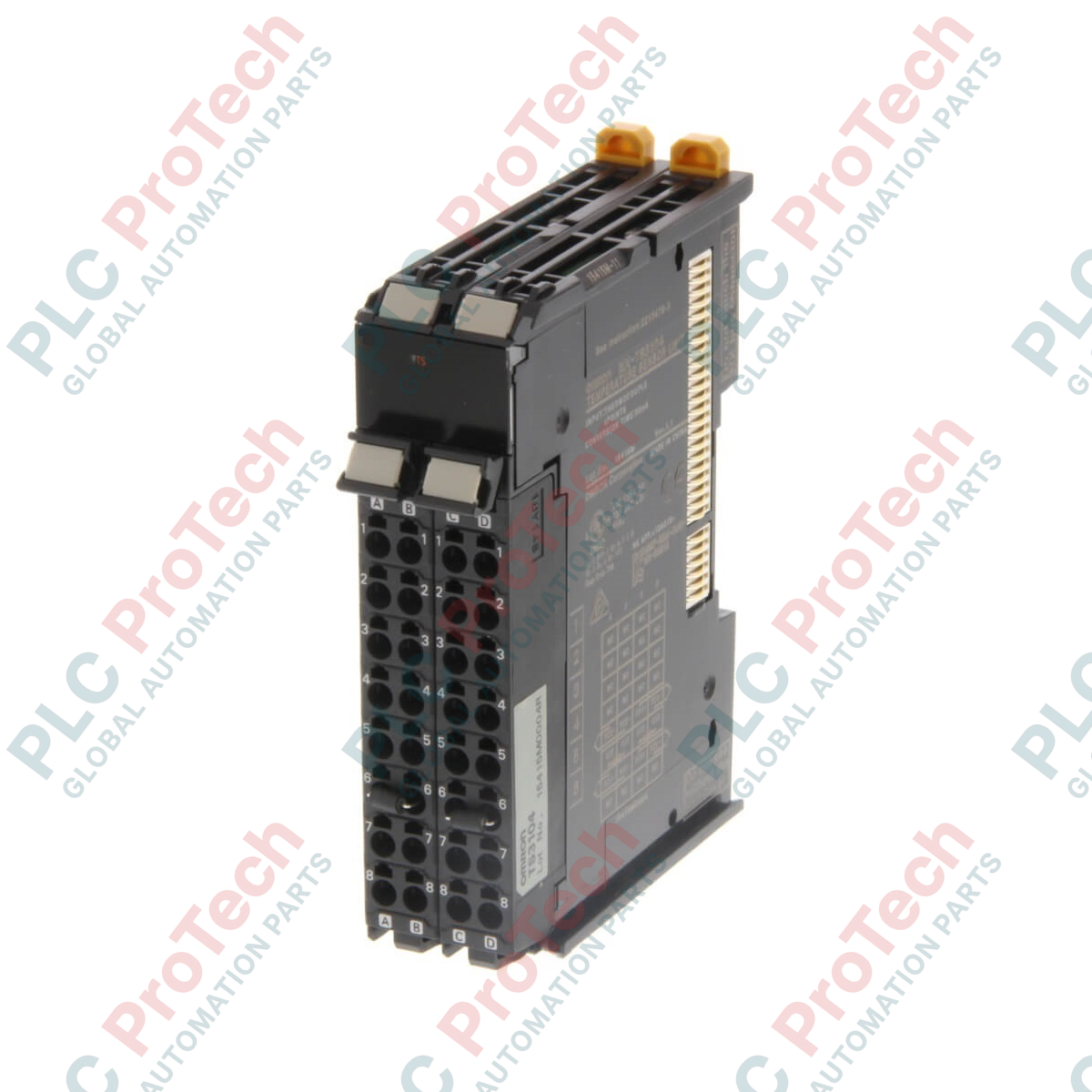
A unidade de entrada de temperatura Omron NX-TS3202 oferece monitoramento RTD de alta densidade e alta precisão para sistemas de automação industrial que operam no barramento da série NX da Omron. Este módulo se conecta diretamente a detectores de temperatura por resistência Pt100 de três fios, oferecendo realimentação térmica multicanal precisa para controladores de máquinas Sysmac ou acopladores de E/S remotas. Desenvolvido para ambientes industriais agressivos, apresenta um robusto isolamento galvânico entre canais para evitar loops de terra e proteger os componentes eletrônicos de controle a montante contra transientes de alta tensão.
Recursos
- Quatro canais de entrada de temperatura RTD independentes e isolados, em um gabinete compacto de 24 mm.
- Compatível com sensores de temperatura Pt100 padrão (três fios), com detecção precisa da resistência.
- Taxa de conversão rápida de 10 ms por unidade para monitoramento térmico dinâmico e de alta velocidade.
- Capacidade de medição de alta resolução de até 0,01 °C.
- Arquitetura de isolamento em dois níveis usando transformadores físicos e isoladores digitais.
- O bloco de terminais de aperto duplo, sem parafusos e com conexão push-in, de 16 pontos simplifica a fiação de campo no local.
Aplicações
- Monitoramento térmico de câmaras de fabricação de semicondutores e processos químicos.
- Regulação de temperatura em múltiplas zonas em linhas industriais de extrusão e embalagem.
- Medição da temperatura do circuito de água de sistemas HVAC e de refrigeração.
- Testes em câmaras ambientais e controle de fornos de tratamento térmico.
Especificações técnicas
| Parâmetro de especificação |
Valor / detalhes |
| Fabricante |
Omron |
| Número do modelo |
NX-TS3202 |
| Canais de entrada |
4 pontos (termorresistência) |
| Compatibilidade do sensor |
Pt100 (três fios) |
| Tempo de conversão |
10 ms por unidade |
| Resolução |
Máx. de 0,01 °C |
| Método de atualização de E/S |
Atualização em execução livre |
| Corrente de detecção de entrada |
Aproximadamente 0,25 mA |
| Influência da resistência do condutor |
Máx. de 0,06 °C/Ω (até no máx. 20 Ω) |
| Método de isolamento |
Transformador (alimentação), isolador digital (sinal) [entradas para o barramento NX e entre as entradas] |
| Rigidez dielétrica |
510 VCA entre circuitos isolados por 1 minuto (corrente de fuga <= 5 mA) |
| Resistência de isolamento |
Mínimo de 20 MΩ a 100 VCC entre circuitos isolados |
| Consumo de energia da unidade NX |
Máx. de 1,50 W (na unidade da CPU); máx. de 1,05 W (na unidade acopladora) |
| Dimensões físicas |
24 (L) x 100 (A) x 71 (P) mm |
| Peso líquido |
0,13 kg |
| Peso de envio (calculado) |
1,5 kg |
Conexões e interfaces
| Fileira de terminais |
Atribuição das conexões dos terminais (Pt100 de 3 fios) |
| Bloco de terminais A |
Entradas do canal 0 e do canal 1 (contatos de conexão A, B, B' + ponto de terminação da blindagem) |
| Bloco de terminais B |
Entradas do canal 2 e do canal 3 (contatos de conexão A, B, B' + ponto de terminação da blindagem) |
Informações de engenharia empírica
Modelos alternativos e compatibilidade
A unidade utiliza RTDs Pt100 padrão de três fios. Ela não deve ser confundida com a série NX-TS3101, dedicada a interfaces de termopares, nem com o NX-TS3201, que apresenta uma configuração de canais diferente. Ao substituir unidades antigas, verifique se o Sysmac Studio foi atualizado para oferecer suporte à configuração da unidade, evitando incompatibilidades de identificação de hardware no acoplador de rede EtherCAT.
Armadilhas da aplicação e observações de engenharia
Este módulo depende de correntes de excitação física precisas (aproximadamente 0,25 mA). O comprimento dos cabos deve ser projetado para minimizar a resistência dos condutores; uma resistência superior a 20 Ohms por fio reduzirá a precisão da medição, acrescentando um desvio de até 0,06 °C/Ohm. Para alcançar a precisão de conversão especificada, o módulo requer um período contínuo de aquecimento de pelo menos 30 minutos após ser ligado.
Dicas de comissionamento e cabeamento
Sempre use fiação STP de par trançado blindado e de alta qualidade para as linhas dos sensores. Conecte a blindagem ao bloco de terminais de aterramento da unidade da série NX ou à barra de aterramento do sistema para suprimir ruídos elétricos de alta frequência provenientes de inversores de frequência (VFDs) próximos. Não passe os cabos dos sensores RTD em paralelo às linhas de alimentação de alta tensão no duto de fios.
Diretrizes de instalação
AVISO CRÍTICO
Desligue todas as fontes de alimentação conectadas à CPU do barramento da série NX ou ao acoplador de comunicação antes de instalar, remover ou conectar o módulo. A não desenergização do conjunto pode causar danos permanentes aos circuitos lógicos internos da unidade ou interromper as comunicações de campo.
1
Monte o módulo alinhando o gancho superior da unidade com o trilho DIN e pressionando firmemente para baixo até ouvir o clique do gancho deslizante encaixando no lugar.
2
Insira os cabos Pt100 de três fios previamente desencapados diretamente no bloco de terminais com grampos sem parafusos. Use uma chave de fenda de ponta chata para liberar o grampo de tensão ao remover os fios.
3
Verifique o comportamento correto do indicador LED TS após a inicialização do sistema. Uma luz verde fixa indica comunicação normal no barramento e aquisição funcional dos sensores.