Описание
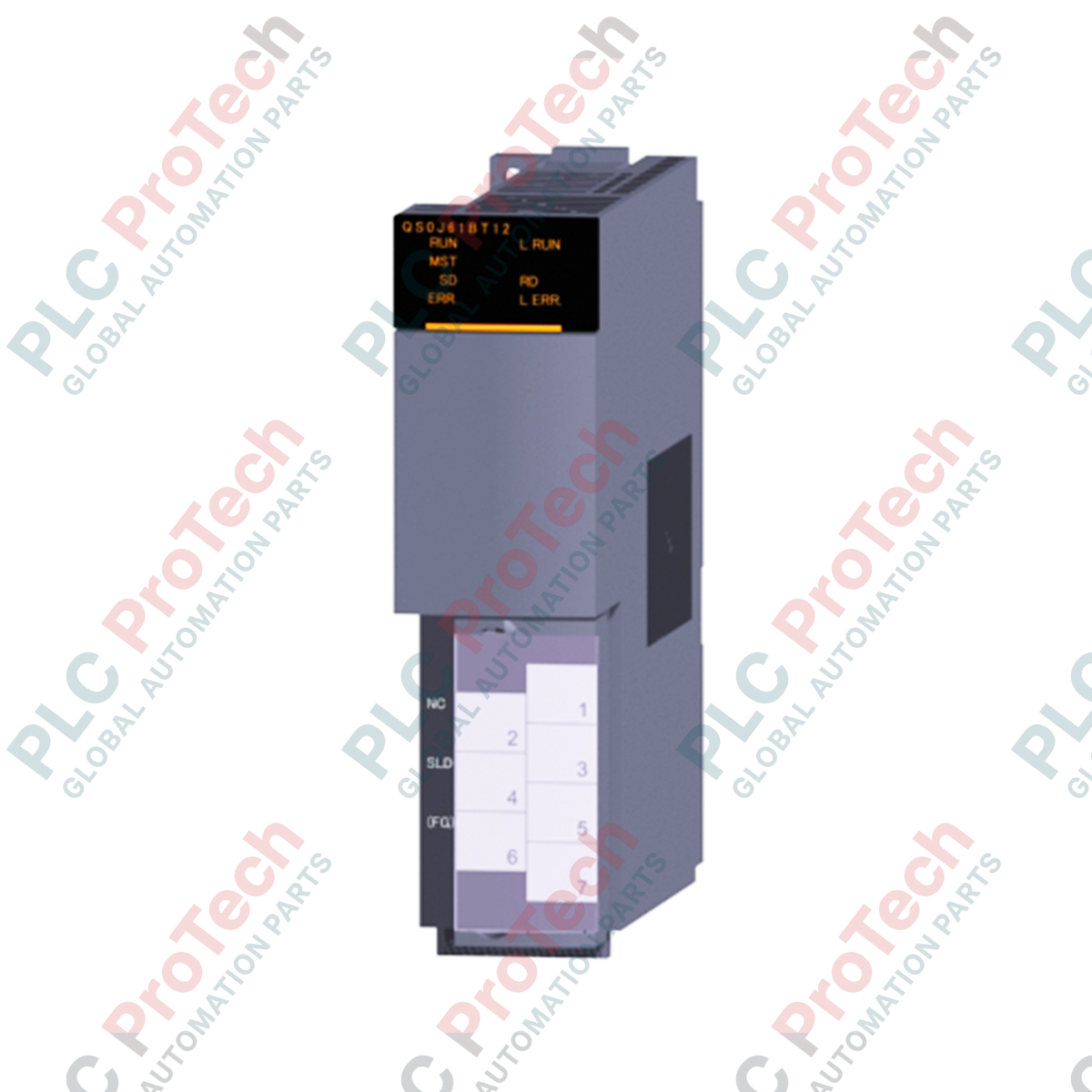
Mitsubishi Electric QS0J61BT12 обеспечивает детерминированную связь с функциональной безопасностью в средах повышенной опасности и служит специализированной ведущей станцией безопасности CC-Link для платформ управления MELSEC-QS. Этот мастер-модуль безопасности координирует удалённые станции безопасного ввода-вывода, выполняя тщательную диагностику и проверку протокола безопасности по стандартной физической топологии шины. Разработанный для интеграции с центральными процессорами безопасности, он обеспечивает создание сетей связи, соответствующих требованиям SIL3 и категории 4, без необходимости в отдельной выделенной проводке для сигналов безопасности и данных общего назначения.
Ключевые особенности
-
Выбираемые скорости передачи данных: Настраиваемые скорости передачи от 156 кбит/с до 10 Мбит/с в соответствии с длиной шины и временем цикла системы.
-
Управление большим количеством узлов: Подключает до 64 удалённых станций безопасности или удалённых станций общего назначения в одном сегменте сети.
-
Двухуровневый контроль протокола: Использует независимую проверку CRC: CRC32 — для удалённых станций безопасности, CRC16 — для удалённых станций общего назначения.
-
Гибкая топология: Поддерживает магистральные линии длиной до 1200 метров при скорости 156 кбит/с с использованием стандартного специализированного кабеля CC-Link, совместимого с Ver.1.10.
-
Интеллектуальная обработка сигналов: Назначает 32 точки интеллектуального ввода-вывода для каждого слота ведущей станции непосредственно на объединительной панели контроллера безопасности.
Промышленные применения
-
Автомобильные сборочные линии: Распределённые цепи аварийной остановки, световые завесы и блокирующие выключатели ворот.
-
Роботизированные рабочие ячейки: Координация контроля безопасной скорости и защиты периметра в группах многоосевых роботов.
-
Системы транспортировки материалов: Интеграция безопасности конвейеров, системы аварийной остановки сортировочных линий и подъёмные станции для тяжёлых грузов.
-
Упаковочное оборудование: Высокоскоростное выполнение функций безопасности на многостаночных индексирующих машинах.
Технические характеристики
| Параметр |
Значение характеристики |
| Производитель |
Mitsubishi Electric |
| Обозначение модели |
QS0J61BT12 |
| Тип модуля |
Мастер-модуль системы безопасности CC-Link |
| Тип станции |
Ведущая станция безопасности |
| Поддерживаемые скорости передачи данных |
156 кбит/с / 625 кбит/с / 2,5 Мбит/с / 5 Мбит/с / 10 Мбит/с (выбирается) |
| Максимальная дальность связи |
1200 м (при 156 кбит/с) — 100 м (при 10 Мбит/с) |
| Максимальное количество подключаемых станций |
64 станции |
| Максимальное количество точек связи на систему |
RX/RY: 2048 точек; RWr: 256 точек; RWw: 256 точек |
| Схема обмена данными |
Циклический опрос с синхронизацией кадров |
| Линейное кодирование |
Код NRZI |
| Физический уровень |
Топология шины RS-485 |
| Контроль ошибок (узлы безопасности) |
Стандартный алгоритм CRC32 |
| Контроль ошибок (стандартные узлы) |
Стандартный алгоритм CRC16 |
| Занятые точки ввода-вывода |
32 точки (интеллектуальное назначение точек ввода-вывода) |
| Потребляемый ток (5 В пост. тока) |
0,46 А |
| Масса нетто |
0,12 кг |
| Расчётный вес при транспортировке |
1,10 кг |
| Страна происхождения |
Япония |
Соединения и интерфейсы
| Название клеммы |
Назначение функций и сигналов |
| DA |
Линия связи CC-Link A |
| DB |
Линия связи CC-Link B |
| DG |
Сигнальная земля |
| SLD |
Клемма экрана (внутренне подключена к FG через цепь конденсаторов и резисторов) |
| FG |
Функциональное заземление (заземление корпуса) |
Альтернативные модели и совместимость
Этот модуль предназначен исключительно для установки на физическую объединительную плату серии MELSEC-QS. Он должен работать совместно с модулем центрального процессора безопасности QS001CPU. Хотя он использует аналогичное стандартным модулям CC-Link серии Q (например, QJ61BT11N) физическое оборудование RS-485, стандартные модули нельзя использовать вместо ведущих станций безопасности, поскольку в них отсутствуют два микроконтроллера и блоки обработки CRC32, необходимые для передачи кадров данных безопасности.
Типичные ошибки применения и инженерные примечания
Убедитесь, что все сегменты кабеля соответствуют стандартам физического уровня CC-Link Ver.1.10. Смешивание кабелей CC-Link разных поколений или производителей в одной магистральной линии изменяет характеристический импеданс, вызывая отражение сигнала. Это отражение приводит к переходным ошибкам передачи CRC32, из-за которых центральный процессор безопасности переходит в состояние «STOP» для соблюдения протоколов функциональной безопасности. Убедитесь, что сопротивление оконечных резисторов на обоих концах точно соответствует характеристическому импедансу кабеля (обычно 110 Ом).
Рекомендации по вводу в эксплуатацию и подключению
Всегда подключайте провод экрана (SLD) непосредственно к клеммному блоку и проверяйте, что клемма функционального заземления (FG) соединена с медной шиной заземления панели с низким импедансом. При настройке программного обеспечения в GX Developer или GX Works2 не назначайте безопасные точки ввода-вывода в обычную область универсальных входов-выходов; для сохранения строгих проверок программного обеспечения их необходимо назначать через вкладку «Safety Connection Parameter».
Рекомендации по установке
КРИТИЧЕСКОЕ ПРЕДУПРЕЖДЕНИЕ: Перед установкой или извлечением модулей из объединительной платы убедитесь, что основной источник питания панели полностью обесточен и заблокирован (LOTO). Необесточенная стойка может вызвать внутреннюю электрическую дугу на объединительной плате, что приведёт к разрушению ASIC процессора, повреждению параметров безопасности или непреднамеренному движению механизмов.
1
Установка: Вставьте нижний定位очный выступ модуля в направляющее отверстие базового блока и плотно прижмите модуль до щелчка верхнего фиксатора.
2
Крепление: Затяните верхний крепёжный винт модуля (M3 x 12) с моментом от 0,36 до 0,48 Н·м, чтобы обеспечить надёжное соединение с объединительной платой и устойчивость к вибрации.
3
Подключение: Подсоедините подготовленный клеммный блок, содержащий линии CC-Link и оконечный резистор (если это конечный узел), к клеммному блоку.
4
Заземление: Подключите клемму FG проводом сечением не менее 2 мм² непосредственно к центральной точке электрического заземления корпуса машины.