


การย้ายไลเซนส์ TwinCAT 3 ด้วย C9900-L100: การตรวจสอบบิลด์และอุปกรณ์
ก่อนย้ายไลเซนส์ TwinCAT 3 ด้วย Beckhoff C9900-L100 ให้ตรวจสอบบิลด์ TwinCAT คำอธิบายอุปกรณ์ XML รหัสสั่งซื้อที่แน่นอน และข้อจำกัดของตู้ควบคุม
Manufacturer: Mitsubishi Electric
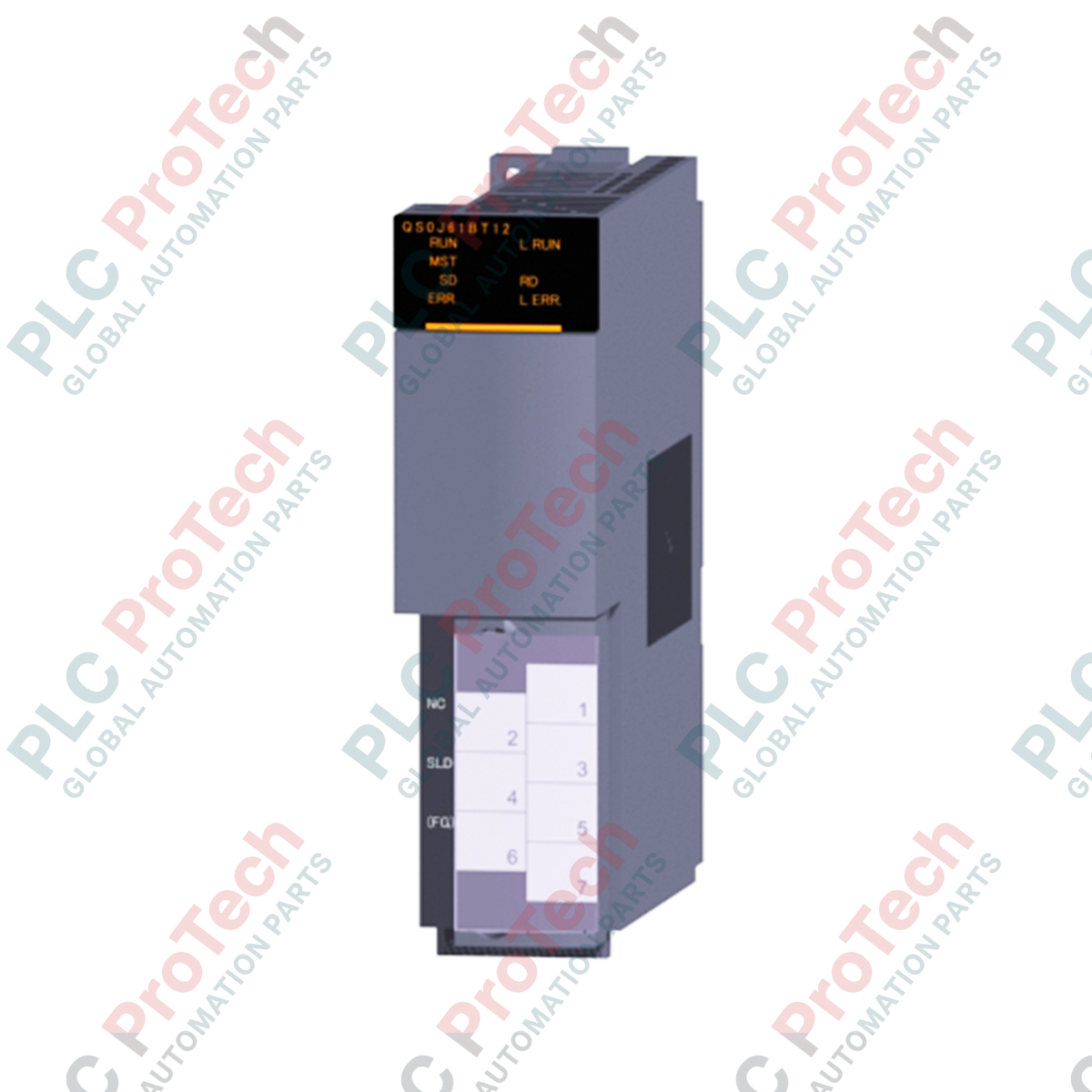
Product No.: QS0J61BT12
Country of origin:สหรัฐอเมริกา
Product Type: โมดูล PLC ด้านความปลอดภัย
Payment: T/T, Western Union
Weight: 1100g
Shipping port: Xiamen
Warranty: 12 months
Mitsubishi Electric QS0J61BT12 ทำหน้าที่เป็นสถานีมาสเตอร์ CC-Link Safety โดยเฉพาะสำหรับแพลตฟอร์มควบคุม MELSEC-QS พร้อมมอบการสื่อสารด้านความปลอดภัยเชิงฟังก์ชันที่กำหนดพฤติกรรมได้อย่างแน่นอนในสภาพแวดล้อมที่มีความเสี่ยงสูง โมดูลมาสเตอร์นิรภัยนี้ประสานงานสถานี I/O รีโมตนิรภัย พร้อมดำเนินการวินิจฉัยอย่างเข้มงวดและตรวจสอบโปรโตคอลความปลอดภัยผ่านโทโพโลยีบัสกายภาพมาตรฐาน ออกแบบมาให้ทำงานร่วมกับ CPU นิรภัย จึงรองรับเครือข่ายการสื่อสารตาม SIL3 และ Category 4 โดยไม่ต้องเดินสายแยกเฉพาะสำหรับสัญญาณข้อมูลนิรภัยและข้อมูลทั่วไป
| พารามิเตอร์ | ค่าข้อมูลจำเพาะ |
|---|---|
| ผู้ผลิต | Mitsubishi Electric |
| รหัสรุ่น | QS0J61BT12 |
| ประเภทโมดูล | ยูนิตมาสเตอร์ระบบ CC-Link Safety |
| ประเภทสถานี | สถานีมาสเตอร์นิรภัย |
| อัตราบอดที่รองรับ | 156 kbps / 625 kbps / 2.5 Mbps / 5 Mbps / 10 Mbps (เลือกได้) |
| ระยะการสื่อสารสูงสุด | 1200 ม. (ที่ 156 kbps) ถึง 100 ม. (ที่ 10 Mbps) |
| จำนวนสถานีที่เชื่อมต่อได้สูงสุด | 64 สถานี |
| จำนวนจุดลิงก์สูงสุดต่อระบบ | RX/RY: 2048 จุด; RWr: 256 จุด; RWw: 256 จุด |
| รูปแบบการสื่อสาร | การโพลแบบแพร่สัญญาณพร้อมการซิงโครไนซ์เฟรม |
| การเข้ารหัสสายสัญญาณ | รหัส NRZI |
| ชั้นกายภาพ | โทโพโลยีบัส RS-485 |
| การควบคุมข้อผิดพลาด (โหนดนิรภัย) | อัลกอริทึมมาตรฐาน CRC32 |
| การควบคุมข้อผิดพลาด (โหนดมาตรฐาน) | อัลกอริทึมมาตรฐาน CRC16 |
| จุด I/O ที่ใช้ | 32 จุด (การกำหนด I/O อัจฉริยะ) |
| กระแสไฟฟ้าที่ใช้ภายใน (5V DC) | 0.46 A |
| มวลสุทธิของเครื่อง | 0.12 กก. |
| น้ำหนักขนส่ง (คำนวณแล้ว) | 1.10 กก. |
| ประเทศต้นกำเนิด | ญี่ปุ่น |
| ชื่อขั้ว | การกำหนดฟังก์ชันและสัญญาณ |
|---|---|
| DA | สายสื่อสาร CC-Link A |
| DB | สายสื่อสาร CC-Link B |
| DG | กราวด์สัญญาณ |
| SLD | ขั้วชีลด์ (เชื่อมต่อภายในกับ FG ผ่านเครือข่ายตัวเก็บประจุ/ตัวต้านทาน) |
| FG | กราวด์เพื่อการทำงาน (กราวด์แชสซี) |
โมดูลนี้ออกแบบมาเฉพาะสำหรับติดตั้งบนแบ็กเพลนทางกายภาพของ MELSEC-QS Series ต้องทำงานร่วมกับโมดูล Safety CPU รุ่น QS001CPU แม้จะทำงานบนฮาร์ดแวร์ชั้นกายภาพ RS-485 ที่คล้ายกับโมดูล CC-Link ของ Q-Series มาตรฐาน (เช่น QJ61BT11N) แต่ไม่สามารถใช้โมดูลมาตรฐานแทนบทบาทมาสเตอร์ของสถานีนิรภัยได้ เนื่องจากไม่มีไมโครคอนโทรลเลอร์คู่และหน่วยประมวลผล CRC32 ที่จำเป็นต่อการทำงานของเฟรมข้อมูลนิรภัย
ตรวจสอบให้แน่ใจว่าสายเคเบิลทุกช่วงเป็นไปตามมาตรฐานชั้นกายภาพ CC-Link Ver.1.10 การผสมสาย CC-Link จากต่างรุ่นหรือผู้ผลิตภายในสายทรังก์เดียวกันจะทำให้อิมพีแดนซ์ลักษณะเฉพาะเปลี่ยนแปลง ส่งผลให้เกิดการสะท้อนของสัญญาณ การสะท้อนนี้ทำให้เกิดข้อผิดพลาดชั่วขณะในการส่ง CRC32 ซึ่งบังคับให้ Safety CPU ของโฮสต์เปลี่ยนเข้าสู่สถานะ "STOP" เพื่อรักษาโพรโทคอลความปลอดภัยเชิงหน้าที่ ตรวจสอบให้แน่ใจว่าตัวต้านทานปลายสายที่ปลายทั้งสองด้านมีค่าเท่ากับอิมพีแดนซ์ลักษณะเฉพาะของสายอย่างแม่นยำ (โดยทั่วไปคือ 110 โอห์ม)
เชื่อมต่อสายชีลด์ (SLD) เข้ากับเทอร์มินัลบล็อกโดยตรงเสมอ และตรวจสอบว่าขั้วกราวด์เพื่อการทำงาน (FG) เชื่อมต่อกับบัสบาร์กราวด์ทองแดงความต้านทานต่ำในแผง ระหว่างการกำหนดค่าซอฟต์แวร์ใน GX Developer หรือ GX Works2 ห้ามแมปจุด I/O นิรภัยไปยังพื้นที่ I/O ทั่วไปปกติ ต้องแมปผ่านแท็บ "Safety Connection Parameter" โดยเฉพาะ เพื่อคงการตรวจสอบซอฟต์แวร์อย่างเข้มงวด
1 การติดตั้ง: เกี่ยวแถบกำหนดตำแหน่งด้านล่างของโมดูลเข้ากับรูนำของยูนิตฐาน แล้วกดให้แน่นจนตัวล็อกด้านบนคลิกเข้าที่
2 การยึด: ขันสกรูยึดโมดูลด้านบน (M3 x 12) ด้วยแรงบิด 0.36 ถึง 0.48 N-m เพื่อให้การเชื่อมต่อแบ็กเพลนมีความมั่นคงและทนต่อแรงสั่นสะเทือน
3 การเดินสาย: ต่อเทอร์มินัลบล็อกที่เตรียมไว้ ซึ่งมีสาย CC-Link และตัวต้านทานปลายสาย (หากเป็นโหนดปลายสาย) เข้ากับเทอร์มินัลบล็อก
4 การต่อลงดิน: เชื่อมต่อขั้ว FG โดยใช้สายไฟที่มีพื้นที่หน้าตัดอย่างน้อย 2 ตารางมิลลิเมตรเข้ากับจุดต่อลงดินไฟฟ้ากลางของตู้เครื่องจักรโดยตรง

Global Express Shipping
Returns & Warranty


การจัดส่งด่วนทั่วโลก
การคืนสินค้าและการรับประกัน
คำสั่งซื้อจะถูกดำเนินการและจัดส่งในวันจันทร์ถึงวันศุกร์ (ไม่รวมวันหยุดราชการ)
สำหรับคุณสมบัติครบถ้วน ค่าธรรมเนียมการเติมสินค้าใหม่ และรายละเอียดการคืนสินค้าระหว่างประเทศ กรุณาดูที่เว็บไซต์อย่างเป็นทางการของเรา นโยบายการคืนเงินและการคืนสินค้า .
| Country of origin |
สหรัฐอเมริกา
|

ก่อนย้ายไลเซนส์ TwinCAT 3 ด้วย Beckhoff C9900-L100 ให้ตรวจสอบบิลด์ TwinCAT คำอธิบายอุปกรณ์ XML รหัสสั่งซื้อที่แน่นอน และข้อจำกัดของตู้ควบคุม

เช็กลิสต์หน้างานสำหรับเปลี่ยน Beckhoff EL4032 ครอบคลุมโหลด ±10 V แผนผังขั้วต่อ หน้าสัมผัสจ่ายไฟ สถานะ EtherCAT และการทำงานของวอตช์ด็อก

ก่อนเปลี่ยน Yokogawa AAI835 ให้ตรวจสอบผังช่องสัญญาณ 4 อินพุต/4 เอาต์พุต พฤติกรรมของลูปเมื่อไฟดับ ชนิดของแบร์ริเออร์ ภาระโหลดเอาต์พุต สายเคเบิล และระบบสำรองซ้ำซ้อนด้วย

ABB PM891K01 บทความ 3BSE053241R1 คือชุดโปรเซสเซอร์ AC 800M แบบไม่สำรอง ใช้รายการตรวจสอบภาคสนามนี้ก่อนเปลี่ยนใหม่

การตรวจสอบเพื่อเปลี่ยนทดแทน ABB TP853 3BSE018126R1: ระบุอินเทอร์เฟซ CI853, CI855, CI857 หรือ CI861 ที่ติดตั้งอยู่ บันทึกการเดินสาย และตรวจสอบการสื่อสารหลังการติดตั้ง

การตรวจสอบทางวิศวกรรมสำหรับ Allen-Bradley 5069-L330ERMS2: ความจุของคอนโทรลเลอร์ ชุด RTB แยกต่างหาก ขีดจำกัด I/O ในพื้นที่ ขีดจำกัดจำนวนโหนดเครือข่าย และจำนวนแกนการเคลื่อนไหว