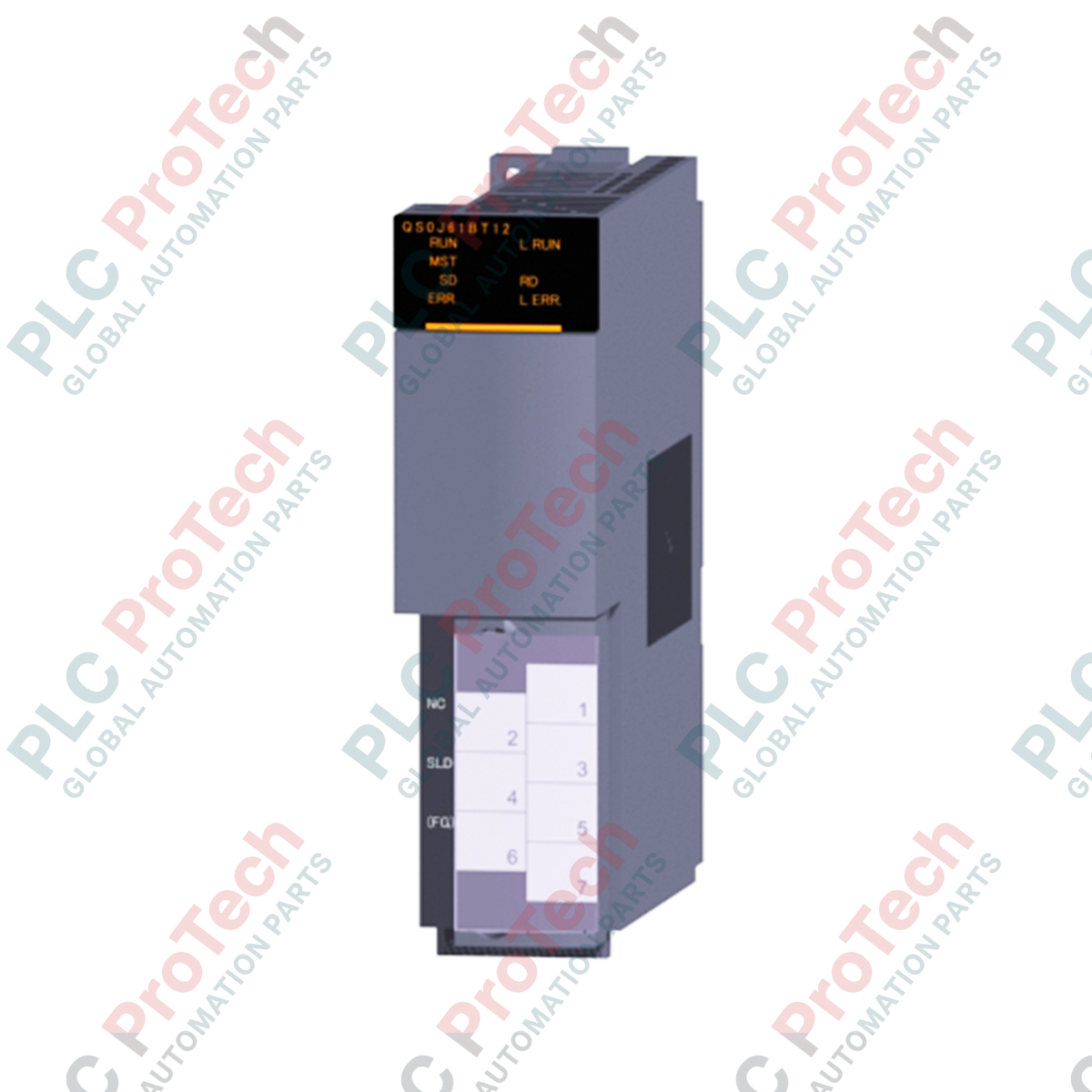
Açıklama
Yüksek riskli ortamlarda deterministik işlevsel güvenlik iletişimi sağlayan Mitsubishi Electric QS0J61BT12, MELSEC-QS kontrol platformları için özel bir CC-Link Güvenlik Ana İstasyonu olarak görev yapar. Bu güvenlik ana modülü, güvenli uzak G/Ç istasyonlarını koordine eder ve standart fiziksel veri yolu topolojisi üzerinden kapsamlı tanılama ile güvenlik protokolü doğrulaması gerçekleştirir. Güvenlik CPU'larıyla entegre olacak şekilde tasarlanan ünite, güvenlik ve güvenlik dışı veri sinyalleri için ayrı özel kablolama gerektirmeden SIL3 ve Kategori 4 uyumlu iletişim ağlarının kurulmasını sağlar.
Temel Özellikler
-
Seçilebilir Baud Hızları: Belirli veri yolu uzunluklarına ve sistem çevrim sürelerine uyacak şekilde 156 kbps ile 10 Mbps arasında yapılandırılabilir aktarım hızları sunar.
-
Yüksek Kapasiteli Düğüm Yönetimi: Tek bir ağ segmentinde 64 adede kadar uzak güvenlik istasyonunu veya genel amaçlı uzak istasyonu bağlar.
-
Çift Katmanlı Protokol Denetimi: Güvenli uzak istasyonlar için CRC32 ve genel amaçlı uzak istasyonlar için CRC16 kullanarak bağımsız CRC doğrulaması gerçekleştirir.
-
Esnek Topolojiler: Standart Ver.1.10 uyumlu CC-Link özel kablolaması kullanarak 156 kbps'de 1200 metreye kadar uzun mesafeli ana hatları destekler.
-
Akıllı Sinyal İşleme: Her ana yuva için 32 akıllı G/Ç atama noktasını doğrudan güvenlik denetleyicisinin arka paneline tahsis eder.
Endüstriyel Uygulamalar
-
Otomotiv Montaj Hatları: Dağıtılmış acil durdurma devreleri, ışık perdeleri ve kilitlemeli kapı anahtarları.
-
Robotik Çalışma Hücreleri: Çok eksenli robot kümelerinde güvenli hız izleme ve çevre korumasını koordine eder.
-
Malzeme Taşıma Sistemleri: Konveyör güvenlik entegrasyonu, ayırma hattı acil durum sistemleri ve ağır yük kaldırma istasyonları.
-
Paketleme Makineleri: Çok istasyonlu indeksleme makinelerinde yüksek hızlı işlevsel güvenlik uygulaması.
Teknik Özellikler
| Parametre |
Teknik Özellik Değeri |
| Üretici |
Mitsubishi Electric |
| Model Referansı |
QS0J61BT12 |
| Modül Türü |
CC-Link Güvenlik Sistemi Ana Birimi |
| İstasyon Türü |
Güvenlik Ana İstasyonu |
| Desteklenen Baud Hızları |
156 kbps / 625 kbps / 2.5 Mbps / 5 Mbps / 10 Mbps (Seçilebilir) |
| Maks. İletişim Mesafesi |
156 kbps'de 1200 m ile 10 Mbps'de 100 m arası |
| Bağlanabilecek Maks. İstasyon Sayısı |
64 İstasyon |
| Sistem Başına Maks. Bağlantı Noktası |
RX/RY: 2048 nokta; RWr: 256 nokta; RWw: 256 nokta |
| İletişim Şeması |
Çerçeve senkronizasyonlu yayın yoklaması |
| Hat Kodlaması |
NRZI Kodu |
| Fiziksel Katman |
RS-485 veri yolu topolojisi |
| Hata Denetimi (Güvenlik İstasyonları) |
CRC32 standart algoritması |
| Hata Denetimi (Standart İstasyonlar) |
CRC16 standart algoritması |
| Kullanılan G/Ç Noktaları |
32 nokta (akıllı G/Ç ataması) |
| Dahili Akım Tüketimi (5V DC) |
0.46 A |
| Net Birim Ağırlığı |
0.12 kg |
| Hesaplanan Nakliye Ağırlığı |
1.10 kg |
| Menşei Ülke |
Japonya |
Bağlantılar ve Arayüzler
| Terminal Adı |
İşlev ve Sinyal Ataması |
| DA |
CC-Link İletişim Hattı A |
| DB |
CC-Link İletişim Hattı B |
| DG |
Sinyal Toprağı |
| SLD |
Blendaj Terminali (Dâhili olarak kapasitör/direnç ağı üzerinden FG'ye bağlı) |
| FG |
İşlevsel Toprak (Şasi toprağı) |
Alternatif Modeller ve Uyumluluk
Bu modül yalnızca MELSEC-QS Serisi fiziksel arka paneline monte edilmek üzere tasarlanmıştır. Bir QS001CPU Safety CPU modülüyle birlikte çalışmalıdır. Standart Q Serisi CC-Link modülleriyle (QJ61BT11N gibi) benzer RS-485 fiziksel donanımı üzerinde çalışsa da standart modüller, güvenlik istasyonu master rollerinin yerine kullanılamaz; çünkü güvenlik veri çerçevelerini çalıştırmak için gerekli çift mikrodenetleyicilere ve CRC32 işleme birimlerine sahip değildir.
Uygulama Hataları ve Mühendislik Notları
Tüm kablo segmentlerinin CC-Link Ver.1.10 fiziksel katman standartlarına uygun olduğundan emin olun. Aynı ana hat içinde farklı nesil veya üreticilere ait CC-Link kablolarının birlikte kullanılması karakteristik empedansı değiştirerek sinyal yansımasına neden olur. Bu yansıma, geçici CRC32 iletim hatalarını tetikler ve işlevsel güvenlik protokollerini korumak için ana Safety CPU'nun "STOP" durumuna geçmesine yol açar. Her iki uçtaki sonlandırma dirençlerinin kablonun karakteristik empedansıyla (genellikle 110 ohm) tam olarak eşleştiğinden emin olun.
Devreye Alma ve Kablolama İpuçları
Blendaj (SLD) kablosunu her zaman doğrudan terminal bloğuna bağlayın ve işlevsel toprak (FG) terminalinin panelde düşük empedanslı bakır topraklama barasına bağlandığını doğrulayın. GX Developer veya GX Works2 yazılım yapılandırması sırasında güvenli G/Ç noktalarını normal genel amaçlı G/Ç alanına eşlemeyin; sıkı yazılım doğrulama kontrollerini sürdürmek için bunlar özellikle "Safety Connection Parameter" sekmesi üzerinden eşlenmelidir.
Kurulum Talimatları
KRİTİK UYARI: Modülleri arka panele takmadan veya çıkarmadan önce ana panel güç kaynağının tamamen enerjisiz bırakıldığından ve kilitleme/etiketleme (LOTO) işleminin uygulandığından emin olun. Rafın enerjisiz bırakılmaması, dahili arka panelinde ark parlamalarına yol açarak işlemcinin ASIC'ini tahrip edebilir, güvenlik parametrelerini bozabilir veya makinelerin istenmeyen şekilde hareket etmesine neden olabilir.
1
Montaj: Modülün alt konumlandırma tırnağını taban ünitesinin kılavuz deliğine geçirin ve üst kilit mandalı yerine oturana kadar sıkıca bastırın.
2
Sabitleme: Dengeli arka panel bağlantısı ve titreşim direnci sağlamak için üst modül sabitleme vidasını (M3 x 12), 0,36–0,48 N-m torkla sıkın.
3
Kablolama: CC-Link hatlarını ve sonlandırma direncini (uç düğümse) içeren hazırlanmış terminal bloğunu terminal bloğuna bağlayın.
4
Topraklama: FG terminalini, en az 2 mm² kesitli bir kablo kullanarak doğrudan makine muhafazasının merkezi elektriksel topraklama noktasına bağlayın.