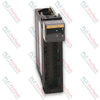
1794-OE12 là mô-đun đầu ra analog mật độ cao được thiết kế cho nền tảng I/O phân tán FLEX I/O. Linh kiện phần cứng này hoạt động như một bộ tạo tín hiệu đa kênh, chuyển đổi các từ dữ liệu số từ bộ điều khiển hệ thống trung tâm thành các đầu ra dòng điện hoặc điện áp analog tiêu chuẩn. Với mật độ kênh cao, thiết bị cung cấp mười hai đường đầu ra một đầu trong thiết kế mô-đun hẹp, giảm yêu cầu về không gian vật lý bên trong các tủ điều khiển điện từ xa.
Có thể cấu hình theo từng kênh, thiết bị điều khiển bộ điều khiển động cơ tốc độ biến đổi, van điều khiển tỷ lệ, bộ truyền động công nghiệp và máy ghi biểu đồ qua các mạng phân tán. 1794-OE12 giao tiếp với các bộ điều khiển tự động hóa khả trình máy chủ thông qua bộ chuyển đổi FLEX I/O cục bộ, truyền thông qua các mạng hệ thống EtherNet/IP, ControlNet hoặc DeviceNet. Mô-đun cắm trực tiếp vào các đế đầu nối tiêu chuẩn đã đi dây sẵn, tự động bảo đảm các kết nối bảng nối sau với FlexBus để vận hành đáng tin cậy trong các hệ thống xử lý nước, gia công hóa chất, nhà máy giấy và cơ sở xử lý vật liệu.
Tính năng
Mười hai kênh đầu ra analog một đầu mật độ cao, tối ưu hóa việc sử dụng không gian trong tủ điện.
Cấu hình kênh có thể lựa chọn cho các vòng dòng điện tiêu chuẩn từ 0 đến 20 mA hoặc tín hiệu điện áp +/-10V.
Hỗ trợ tháo lắp khi đang cấp điện (RIUP), cho phép thay thế phần cứng mà không cần vô hiệu hóa hoạt động mạng.
Độ phân giải bộ chuyển đổi số sang analog 12 bit, mang lại các bước điều khiển chính xác cho thiết bị hiện trường.
Các thanh ghi xác minh chẩn đoán tích hợp liên tục ánh xạ các tham số mạch qua bảng nối sau cục bộ.
Ứng dụng
Định vị van tỷ lệ và điều tiết tín hiệu bộ truyền động khí nén.
Phân phối tín hiệu tham chiếu tốc độ cho bộ truyền động tần số biến đổi.
Sao chép biến quy trình công nghiệp và điều chỉnh tốc độ dây chuyền nhà máy giấy.
Các vòng điều khiển thiết bị đo analog đa kênh, một đầu.
Thông số kỹ thuật
Tham số
Thông số kỹ thuật
Nhà sản xuất
Rockwell Automation / Allen-Bradley
Thương hiệu
FLEX I/O
Mã sản phẩm
1794-OE12
Loại mô-đun
Mô-đun đầu ra analog mật độ cao
Số lượng đầu ra
12 kênh, đầu vào một đầu
Dải tín hiệu đầu ra
0 đến 20 mA, 4 đến 20 mA, +/-10V, 0 đến 10V
Độ phân giải số
12 bit (320 µV/đếm điện áp, 4,88 µA/đếm dòng điện)
Độ chính xác tuyệt đối của đầu ra
0,1% toàn thang ở 25 độC
Độ trôi độ chính xác đầu ra
0,004% toàn thang trên mỗi độC
Điện áp nguồn cấp bên ngoài
24V DC danh định
Phạm vi điện áp nguồn bên ngoài
10,0V DC đến 31,2V DC (bao gồm gợn AC 5%)
Tải dòng nguồn bên ngoài
320 mA ở 24V DC, 720 mA ở 10V DC
Dòng tiêu thụ FlexBus
80 mA ở 5V DC
Công suất tiêu tán tối đa
4,0 W ở 31,2V DC
Tản nhiệt tối đa
4,7 BTU/giờ ở 24V DC
Tải điện trở tối đa (Dòng điện)
750 ohm ở 24V DC
Tải điện trở tối thiểu (Điện áp)
3,3 kilohm
Tải dòng đầu ra điện áp
Tối đa 3 mA
Nhiệt độ vận hành
0 đến 55 độC
Nhiệt độ bảo quản
-40 đến 85 độC
Độ ẩm tương đối
5% đến 95%, không ngưng tụ
Độ rung khi vận hành
5 g ở 10 đến 500 Hz theo IEC 68-2-6
Độ sốc khi vận hành
Gia tốc đỉnh 30 g, độ rộng xung 11 ms
Nước xuất xứ
Hoa Kỳ
Khối lượng
0,10 kg
Kích thước
94,0 mm x 94,0 mm x 53,3 mm
Kết nối/Giao diện
Nút kết nối đầu nối (1794-TB3G)
Chức năng / Phân bổ kênh
Đầu nối 0 đến Đầu nối 11
Các chân tín hiệu đầu ra analog cho các kênh 0 đến 11
Đầu nối 16 đến Đầu nối 27
Các đường hồi chung tín hiệu analog (Hồi 0 đến Hồi 11)
Đầu nối 36 / 37
Đầu vào nguồn vận hành chính +24V DC bên ngoài
Đầu nối 38 / 39
Các nút tham chiếu chung đường hồi nguồn DC bên ngoài
Hướng dẫn lắp đặt
Lắp đặt thanh DIN
Móc các rãnh dẫn hướng phía trên ở mặt sau vỏ mô-đun vào mép trên của thanh DIN tiêu chuẩn 35 mm. Tác dụng lực đều theo hướng xuống và vào trong cho đến khi tai giữ kim loại phía dưới chịu lực lò xo bật đóng phía sau rãnh ray dưới.
Lắp bộ đế đầu nối
Căn chỉnh các đường dẫn hướng bằng nhựa kết cấu tích hợp ở mặt dưới của mô-đun vận hành với các rãnh ổ cắm tiếp nhận trên bộ đế đầu nối đã đi dây sẵn (chẳng hạn 1794-TB3G hoặc 1794-TB3GS). Đẩy trực tiếp linh kiện điện tử vào ổ cắm giao tiếp cho đến khi các tai chốt bật ra và khóa linh kiện vào vị trí.
Vỏ bọc cáp tín hiệu hiện trường
Thực hiện tất cả các kết nối vòng lặp hiện trường bằng cáp thiết bị đo dạng cặp xoắn có vỏ bọc riêng biệt. Nối đất dây vỏ bọc thoát bằng lưới đồng tổng thể tại các đầu nối đất khung máy chức năng được tích hợp trong cụm đế đầu nối; không nối đất cả hai đầu vỏ bọc để tránh vòng lặp đất.
Ràng buộc đi dây cáp
Cách ly cáp tín hiệu đầu ra tương tự điện một chiều điện áp thấp khỏi đường dây cấp điện, dây dẫn động cơ điện một chiều, đường kết nối bộ truyền động biến tốc và dây rơ-le cảm ứng bên trong máng cáp của tủ để loại bỏ nhiễu tần số cao.
Câu hỏi thường gặp
Mô-đun này có thể tạo ra những loại tham số đầu ra tương tự nào?
Thiết bị có thể được cấu hình bằng phần mềm để tạo ra các dải dòng điện tiêu chuẩn như 4 đến 20 mA và 0 đến 20 mA, hoặc các dải điện áp như 0 đến 10V và +/-10V.
Thiết bị này có cung cấp khả năng cách ly điện riêng giữa các kênh không?
Không, mười hai mạch đầu ra độc lập là mạch một đầu và dùng chung một đường tín hiệu chung nội bộ.
Có thể thay thế thiết bị này khi bảng nối đa năng của hệ thống vẫn đang được cấp điện không?
Có, thiết bị hỗ trợ tháo lắp khi đang có điện, cho phép thay thế các thiết bị tại hiện trường mà không làm gián đoạn các khối giao tiếp logic trên các khe ray liền kề.
Những cụm đế đầu nối nào được phê duyệt để sử dụng với thiết bị này?
Mô-đun được thiết kế để lắp trên các khối đế đầu nối có nối đất đa điểm, cụ thể là các thiết bị 1794-TB3G hoặc 1794-TB3GS.
Các tín hiệu đầu ra sẽ thế nào nếu mất liên lạc với bộ điều khiển?
Mô-đun có thể được cấu hình bằng phần mềm để giữ nguyên trạng thái đầu ra hợp lệ cuối cùng hoặc xóa về một giá trị an toàn cụ thể khi xảy ra lỗi mạng.
Có cần kết nối nguồn điện bên ngoài để vận hành mô-đun này không?
Có, phải kết nối một mạch vòng nguồn điện bên ngoài danh định 24V DC đến khối đế đầu nối để cấp nguồn cho các mạch chuyển đổi số sang tương tự bên trong và các mạch vòng tại hiện trường.
Độ phân giải chuyển đổi tương tự liên tục của các kênh là bao nhiêu?
Thiết bị chuyển đổi các thanh ghi logic nội bộ thành các đầu ra vật lý tại hiện trường bằng cấu trúc ma trận chuyển đổi số sang tương tự 12-bit tiêu chuẩn.
Các đèn LED trạng thái ở mặt trước truyền đạt thông tin gì cho kỹ sư?
Các đèn báo cung cấp thông tin chẩn đoán trạng thái theo thời gian thực cho trạng thái vận hành chính của mô-đun và cho biết nguồn điện bên ngoài có sẵn hay không.
Ngưỡng điện trở tối đa là bao nhiêu khi vận hành ở chế độ dòng điện?
Các mạch vòng dòng điện có thể điều khiển các mạch vòng bên ngoài với tổng tải điện trở của mạch lên đến tối đa 750 ohm ở 24V DC.
Điều chỉnh các tham số đo lường của từng kênh độc lập như thế nào?
Chế độ vận hành bắt buộc, các giá trị chọn dải và thuộc tính trạng thái mặc định được cấu hình bằng môi trường phần mềm lập trình PLC máy chủ.
Shipping & Returns
Global Express Shipping
Standard Delivery: 4–6 business days via DHL, FedEx, and UPS.
Express Dispatch: Same-day dispatch for in-stock orders placed before 2:00 PM (GMT+8).
Worldwide Coverage: Serving over 150 countries.
Returns & Warranty
30-Day Guarantee: Returns accepted for in-stock products in original, factory-sealed packaging.
12-Month Warranty: Every industrial component is backed by our technical warranty.
1794-OE12 là mô-đun đầu ra analog mật độ cao được thiết kế cho nền tảng I/O phân tán FLEX I/O. Linh kiện phần cứng này hoạt động như một bộ tạo tín hiệu đa kênh, chuyển đổi các từ dữ liệu số từ bộ điều khiển hệ thống trung tâm thành các đầu ra dòng điện hoặc điện áp analog tiêu chuẩn. Với mật độ kênh cao, thiết bị cung cấp mười hai đường đầu ra một đầu trong thiết kế mô-đun hẹp, giảm yêu cầu về không gian vật lý bên trong các tủ điều khiển điện từ xa.
Có thể cấu hình theo từng kênh, thiết bị điều khiển bộ điều khiển động cơ tốc độ biến đổi, van điều khiển tỷ lệ, bộ truyền động công nghiệp và máy ghi biểu đồ qua các mạng phân tán. 1794-OE12 giao tiếp với các bộ điều khiển tự động hóa khả trình máy chủ thông qua bộ chuyển đổi FLEX I/O cục bộ, truyền thông qua các mạng hệ thống EtherNet/IP, ControlNet hoặc DeviceNet. Mô-đun cắm trực tiếp vào các đế đầu nối tiêu chuẩn đã đi dây sẵn, tự động bảo đảm các kết nối bảng nối sau với FlexBus để vận hành đáng tin cậy trong các hệ thống xử lý nước, gia công hóa chất, nhà máy giấy và cơ sở xử lý vật liệu.
Tính năng
Mười hai kênh đầu ra analog một đầu mật độ cao, tối ưu hóa việc sử dụng không gian trong tủ điện.
Cấu hình kênh có thể lựa chọn cho các vòng dòng điện tiêu chuẩn từ 0 đến 20 mA hoặc tín hiệu điện áp +/-10V.
Hỗ trợ tháo lắp khi đang cấp điện (RIUP), cho phép thay thế phần cứng mà không cần vô hiệu hóa hoạt động mạng.
Độ phân giải bộ chuyển đổi số sang analog 12 bit, mang lại các bước điều khiển chính xác cho thiết bị hiện trường.
Các thanh ghi xác minh chẩn đoán tích hợp liên tục ánh xạ các tham số mạch qua bảng nối sau cục bộ.
Ứng dụng
Định vị van tỷ lệ và điều tiết tín hiệu bộ truyền động khí nén.
Phân phối tín hiệu tham chiếu tốc độ cho bộ truyền động tần số biến đổi.
Sao chép biến quy trình công nghiệp và điều chỉnh tốc độ dây chuyền nhà máy giấy.
Các vòng điều khiển thiết bị đo analog đa kênh, một đầu.
Thông số kỹ thuật
Tham số
Thông số kỹ thuật
Nhà sản xuất
Rockwell Automation / Allen-Bradley
Thương hiệu
FLEX I/O
Mã sản phẩm
1794-OE12
Loại mô-đun
Mô-đun đầu ra analog mật độ cao
Số lượng đầu ra
12 kênh, đầu vào một đầu
Dải tín hiệu đầu ra
0 đến 20 mA, 4 đến 20 mA, +/-10V, 0 đến 10V
Độ phân giải số
12 bit (320 µV/đếm điện áp, 4,88 µA/đếm dòng điện)
Độ chính xác tuyệt đối của đầu ra
0,1% toàn thang ở 25 độC
Độ trôi độ chính xác đầu ra
0,004% toàn thang trên mỗi độC
Điện áp nguồn cấp bên ngoài
24V DC danh định
Phạm vi điện áp nguồn bên ngoài
10,0V DC đến 31,2V DC (bao gồm gợn AC 5%)
Tải dòng nguồn bên ngoài
320 mA ở 24V DC, 720 mA ở 10V DC
Dòng tiêu thụ FlexBus
80 mA ở 5V DC
Công suất tiêu tán tối đa
4,0 W ở 31,2V DC
Tản nhiệt tối đa
4,7 BTU/giờ ở 24V DC
Tải điện trở tối đa (Dòng điện)
750 ohm ở 24V DC
Tải điện trở tối thiểu (Điện áp)
3,3 kilohm
Tải dòng đầu ra điện áp
Tối đa 3 mA
Nhiệt độ vận hành
0 đến 55 độC
Nhiệt độ bảo quản
-40 đến 85 độC
Độ ẩm tương đối
5% đến 95%, không ngưng tụ
Độ rung khi vận hành
5 g ở 10 đến 500 Hz theo IEC 68-2-6
Độ sốc khi vận hành
Gia tốc đỉnh 30 g, độ rộng xung 11 ms
Nước xuất xứ
Hoa Kỳ
Khối lượng
0,10 kg
Kích thước
94,0 mm x 94,0 mm x 53,3 mm
Kết nối/Giao diện
Nút kết nối đầu nối (1794-TB3G)
Chức năng / Phân bổ kênh
Đầu nối 0 đến Đầu nối 11
Các chân tín hiệu đầu ra analog cho các kênh 0 đến 11
Đầu nối 16 đến Đầu nối 27
Các đường hồi chung tín hiệu analog (Hồi 0 đến Hồi 11)
Đầu nối 36 / 37
Đầu vào nguồn vận hành chính +24V DC bên ngoài
Đầu nối 38 / 39
Các nút tham chiếu chung đường hồi nguồn DC bên ngoài
Hướng dẫn lắp đặt
Lắp đặt thanh DIN
Móc các rãnh dẫn hướng phía trên ở mặt sau vỏ mô-đun vào mép trên của thanh DIN tiêu chuẩn 35 mm. Tác dụng lực đều theo hướng xuống và vào trong cho đến khi tai giữ kim loại phía dưới chịu lực lò xo bật đóng phía sau rãnh ray dưới.
Lắp bộ đế đầu nối
Căn chỉnh các đường dẫn hướng bằng nhựa kết cấu tích hợp ở mặt dưới của mô-đun vận hành với các rãnh ổ cắm tiếp nhận trên bộ đế đầu nối đã đi dây sẵn (chẳng hạn 1794-TB3G hoặc 1794-TB3GS). Đẩy trực tiếp linh kiện điện tử vào ổ cắm giao tiếp cho đến khi các tai chốt bật ra và khóa linh kiện vào vị trí.
Vỏ bọc cáp tín hiệu hiện trường
Thực hiện tất cả các kết nối vòng lặp hiện trường bằng cáp thiết bị đo dạng cặp xoắn có vỏ bọc riêng biệt. Nối đất dây vỏ bọc thoát bằng lưới đồng tổng thể tại các đầu nối đất khung máy chức năng được tích hợp trong cụm đế đầu nối; không nối đất cả hai đầu vỏ bọc để tránh vòng lặp đất.
Ràng buộc đi dây cáp
Cách ly cáp tín hiệu đầu ra tương tự điện một chiều điện áp thấp khỏi đường dây cấp điện, dây dẫn động cơ điện một chiều, đường kết nối bộ truyền động biến tốc và dây rơ-le cảm ứng bên trong máng cáp của tủ để loại bỏ nhiễu tần số cao.
Câu hỏi thường gặp
Mô-đun này có thể tạo ra những loại tham số đầu ra tương tự nào?
Thiết bị có thể được cấu hình bằng phần mềm để tạo ra các dải dòng điện tiêu chuẩn như 4 đến 20 mA và 0 đến 20 mA, hoặc các dải điện áp như 0 đến 10V và +/-10V.
Thiết bị này có cung cấp khả năng cách ly điện riêng giữa các kênh không?
Không, mười hai mạch đầu ra độc lập là mạch một đầu và dùng chung một đường tín hiệu chung nội bộ.
Có thể thay thế thiết bị này khi bảng nối đa năng của hệ thống vẫn đang được cấp điện không?
Có, thiết bị hỗ trợ tháo lắp khi đang có điện, cho phép thay thế các thiết bị tại hiện trường mà không làm gián đoạn các khối giao tiếp logic trên các khe ray liền kề.
Những cụm đế đầu nối nào được phê duyệt để sử dụng với thiết bị này?
Mô-đun được thiết kế để lắp trên các khối đế đầu nối có nối đất đa điểm, cụ thể là các thiết bị 1794-TB3G hoặc 1794-TB3GS.
Các tín hiệu đầu ra sẽ thế nào nếu mất liên lạc với bộ điều khiển?
Mô-đun có thể được cấu hình bằng phần mềm để giữ nguyên trạng thái đầu ra hợp lệ cuối cùng hoặc xóa về một giá trị an toàn cụ thể khi xảy ra lỗi mạng.
Có cần kết nối nguồn điện bên ngoài để vận hành mô-đun này không?
Có, phải kết nối một mạch vòng nguồn điện bên ngoài danh định 24V DC đến khối đế đầu nối để cấp nguồn cho các mạch chuyển đổi số sang tương tự bên trong và các mạch vòng tại hiện trường.
Độ phân giải chuyển đổi tương tự liên tục của các kênh là bao nhiêu?
Thiết bị chuyển đổi các thanh ghi logic nội bộ thành các đầu ra vật lý tại hiện trường bằng cấu trúc ma trận chuyển đổi số sang tương tự 12-bit tiêu chuẩn.
Các đèn LED trạng thái ở mặt trước truyền đạt thông tin gì cho kỹ sư?
Các đèn báo cung cấp thông tin chẩn đoán trạng thái theo thời gian thực cho trạng thái vận hành chính của mô-đun và cho biết nguồn điện bên ngoài có sẵn hay không.
Ngưỡng điện trở tối đa là bao nhiêu khi vận hành ở chế độ dòng điện?
Các mạch vòng dòng điện có thể điều khiển các mạch vòng bên ngoài với tổng tải điện trở của mạch lên đến tối đa 750 ohm ở 24V DC.
Điều chỉnh các tham số đo lường của từng kênh độc lập như thế nào?
Chế độ vận hành bắt buộc, các giá trị chọn dải và thuộc tính trạng thái mặc định được cấu hình bằng môi trường phần mềm lập trình PLC máy chủ.
A dead control cabinet does not automatically mean a failed power supply. This field guide uses input, no-load, loaded, ripple, wiring, and protection checks to separate source faults from downstream...
Reliable control begins before the PLC executes a loop. This engineering guide follows the signal chain from sensing and conditioning to transmission, control action, final elements, calibration, and...
Modbus remains widely deployed because its data model is simple, not because every implementation is simple. This guide explains frames, register mapping, timing, diagnostics, and the design limits...
Hướng dẫn kỹ thuật thực tiễn về vận hành CPU PLC, từ chu kỳ quét xác định và bảng ảnh I/O đến bộ nhớ, truyền thông, chẩn đoán, dự phòng, lựa chọn cấu hình bộ xử lý và mở rộng hệ thống đáng tin cậy.
Việc thay thế 1756-L73 không đồng nghĩa với việc tự động nâng cấp firmware. Hướng dẫn này so sánh các phiên bản v19.013, v21.011 và v31.011, tập trung vào khả năng tương thích dự án, giao tiếp HMI,...
Triển khai mạch đèn XOR với 3 công tắc SPST trong LogixPro hoặc RSLogix 500 bằng bit rơ-le nội bộ. Bao gồm các bảng chân trị, phương trình Boolean và đã được xác minh.
Khi bạn chọn một mục, toàn bộ trang sẽ được làm mới.