Описание
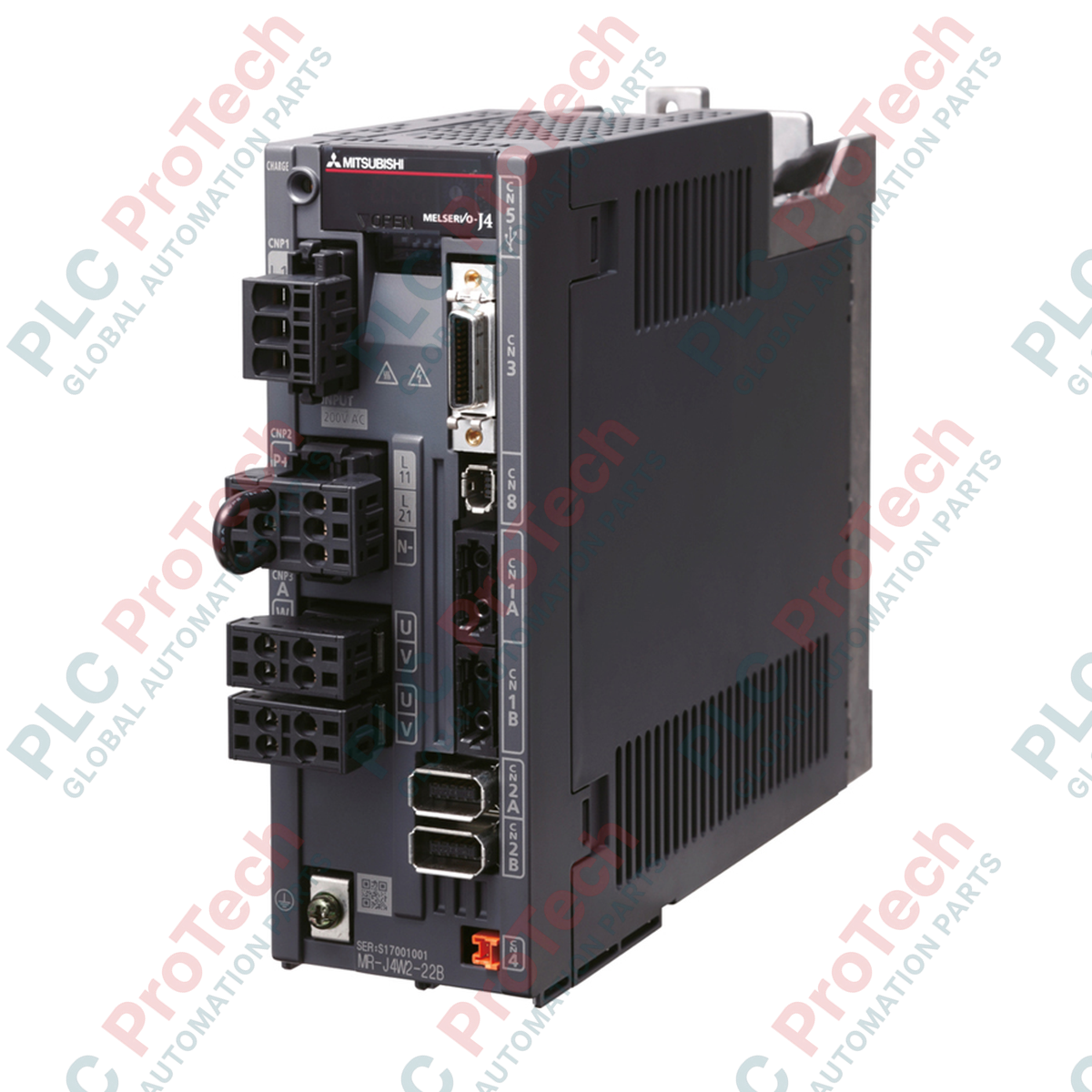
Проектиран за изпълнение на синхронизирано многоосно управление в един компактен корпус, Mitsubishi Electric MR-J4W2-44B е двуосен цифров AC сервоусилвател, работещ на платформата MELSERVO-J4. Чрез обединяване на управляващата електроника за две независими оси с мощност 0,4 kW този модул значително намалява заеманото пространство в управляващия панел, оптимизира разпределението на мощността и улеснява маршрутизирането на мрежата. Интегрираната високоскоростна оптична комуникация SSCNET III/H осигурява синхронизация на движенията с висока разделителна способност и пренебрежими електромагнитни смущения, което го прави идеален избор за високоскоростни многоосни автоматизирани монтажни системи.
Характеристики
-
Интеграция на две оси: Управлява два независими ротационни или линейни серводвигателя с мощност до 0,4 kW всеки, като намалява необходимото пространство в шкафа с до 30 процента.
-
Протокол SSCNET III/H: Високоскоростна оптична шина, работеща със 150 Mbps, за прецизно, детерминистично синхронизирано управление с пълна защита от шумови смущения.
-
Разширено управление за потискане на вибрациите II: Динамично компенсира механичния резонанс както във високочестотните конструктивни елементи, така и в нискочестотните колебания на товара.
-
Настройка с едно докосване: Оценяването в реално време на съотношението на механционната инерция позволява незабавна автоматична настройка на сервоусилванията.
-
Поддръжка на функционална безопасност: Интегрирани функции Safe Torque Off (STO), съвместими с международните стандарти за безопасност.
Приложения
- Синхронизирани многоосни опаковъчни машини и линии за опаковане в картонени кутии.
- Високоскоростни портални роботи за вземане и поставяне и системи за монтаж на полупроводници.
- Прецизни X-Y позициониращи маси и конвейери за обработка на материали.
- Автоматизирани машини за навиване, индексиране и етикетиране.
Таблица с технически спецификации
| Производител |
Mitsubishi Electric |
| Номер на модела |
MR-J4W2-44B |
| Име на серията |
MELSERVO-J4 (MR-J4) |
| Управлявани оси |
2 оси (ос A и ос B) |
| Номинална изходна мощност |
0,4 kW на ос (общо 0,8 kW) |
| Комуникационен интерфейс |
SSCNET III/H (оптична връзка) |
| Захранване на главната верига |
Трифазно 200 до 240 VAC, 50/60 Hz |
| Захранване на управляващата верига |
Еднофазно 200 до 240 VAC, 50/60 Hz |
| Съвместимост с енкодери |
22-битови абсолютни/инкрементални системи |
| Метод на охлаждане |
Естествено охлаждане |
| Работна температура на околната среда |
0 до 55 °C (без замръзване) |
| Размери (В x Ш x Д) |
195 mm x 60 mm x 168 mm |
| Нетно тегло |
1,4 kg |
| Изчислено транспортно тегло |
3,5 kg |
Връзки и интерфейси
| Код на клема / конектор |
Функционално предназначение |
| L1 / L2 / L3 |
Вход за захранване на главната верига (200–240 VAC) |
| L11 / L21 |
Вход за захранване на управляващата верига |
| U / V / W (ос A) |
Изходни клеми за серводвигателя на ос A |
| U / V / W (ос Axis B) |
Изходни клеми за серводвигателя на ос Axis B |
| CN1A / CN1B |
Конектори за оптичен кръг SSCNET III/H (вход/изход) |
| CN2A / CN2B |
Интерфейси за свързване на енкодера за ос Axis A / ос Axis B |
| CN8 |
Конектор за сигнал за функционална безопасност (STO) |
Алтернативни модели и съвместимост
Серията MR-J4W2 е проектирана като основна платформа за многоосови конфигурации в екосистемата MR-J4. Имайте предвид, че при мигриране на стари модули MR-J3W към конфигурация MR-J4W2 е необходим превод на параметрите в програмния пакет (например GX Works2 или GX Works3). Макар че монтажните размери се различават леко от тези на едноосовите модули, спестеното пространство чрез премахване на отделното окабеляване на управляващото захранване лесно оправдава прехода.
Често срещани проблеми при приложения и инженерни бележки
Тъй като ос Axis A и ос Axis B споделят обща вътрешна шина за постоянен ток, регенеративната енергия от забавянето на едната ос естествено се използва от другата ос, която работи в двигателен режим. Ако обаче и двете оси едновременно се забавят при висока инерция, регенеративният капацитет може бързо да насити вътрешния кондензатор, което ще задейства повреда поради пренапрежение (AL.33). При операции с непрекъснати регенеративни цикли или голяма инерция на товара винаги изчислявайте общите изисквания за регенерация на системата и свързвайте външен регенеративен резистор с подходящ размер между клемите L+ и L-.
Съвети за въвеждане в експлоатация и окабеляване
При полагане на оптичните кабели SSCNET III/H (MR-J3BUS_M) не нарушавайте минималния радиус на огъване от 25 mm. Острите огъвания или прекомерното затягане на кабелните превръзки при прокарването на оптичните кабели ще отслабят светлинния сигнал, което може да доведе до случайни повреди на линията (AL.37) или комуникационни грешки (AL.E6). Винаги поставяйте капачки на неизползваните оптични портове на усилвателя, за да предотвратите замърсяване на лещата на оптичния трансивър с прах и влага.
Указания за монтаж
КРИТИЧНО ПРЕДУПРЕЖДЕНИЕ:
Опасност от токов удар и разреждане на остатъчен заряд. Винаги изключвайте захранванията на силовата и управляващата верига, преди да започнете физическия монтаж или окабеляването. След изключване изчакайте поне 15 минути, за да изгаснат напълно индикаторите за вътрешен заряд на предния панел на усилвателя, преди да работите с кабелните връзки.
1
Монтирайте сервоусилвателя вертикално върху плоска, небоядисана метална повърхност, за да гарантирате заземяване с нисък импеданс и максимален топлообмен.
2
Осигурете свободно пространство от поне 40 mm над и под корпуса и поне 10 mm от всяка страна на шасито, за да позволите безпрепятствен въздушен поток.
3
Свържете клемата за защитно заземяване (PE) към заземителния панел на шкафа, преди да свържете фазите на входното захранване или кабелите на енкодера.