


Inbetriebnahme des PLX32-EIP-MBTCP: Subnetze, Register und RPI
Eine Inbetriebnahme-Checkliste für den ProSoft PLX32-EIP-MBTCP zu Subnetztrennung, Registervereinbarungen, EtherNet/IP-Timing, Ausfalltests und Austauschprotokollen.
Hersteller: Delta Electronics
Produkt-Nr.: VFD370C43S
Herkunftsland:Vereinigte Staaten
Produkttyp: Delta Products AC-Antriebe, C2000-Serie
Zahlung: T/T, Western Union
Gewicht: 500g
Abmessungen: 26.5cm x 29cm x 51cm
Versandhafen: Xiamen
Garantie: 12 Monate
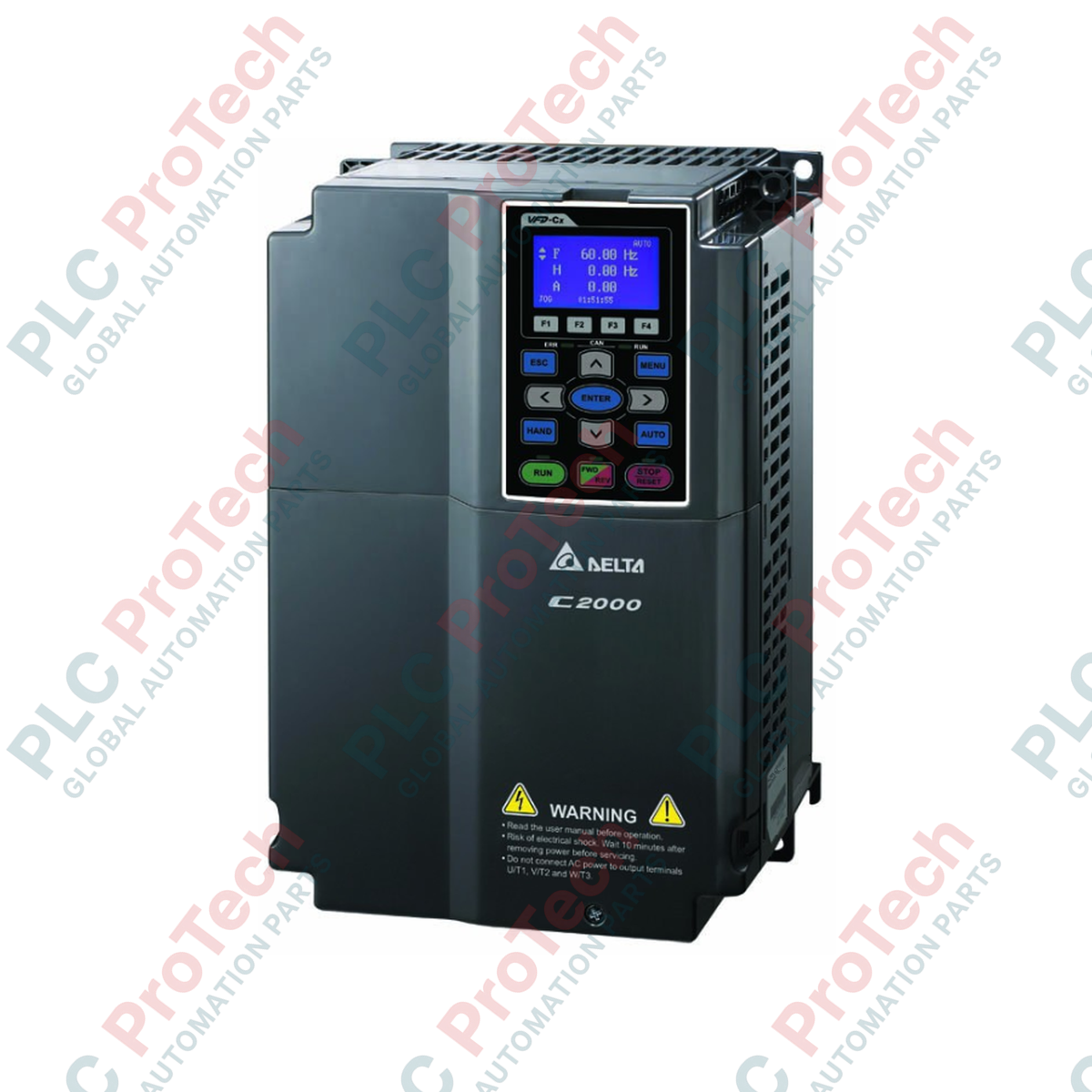
Der VFD370C43S (VFD370C43S) ist ein leistungsstarker AC-Motorantrieb aus der Delta-C2000-Serie, der speziell für eine Leistung von 37 kW (50 HP) bei Anwendungen im Normalbetrieb entwickelt wurde. Dieser Hochleistungsantrieb ist eine zentrale Lösung für groß angelegte industrielle Anlagen, darunter Hochleistungsgebläse, Extruder, Fördersysteme mit hoher Last und industrielle Prozesspumpen. Dank der leistungsstarken feldorientierten Regelungsarchitektur (FOC) von Delta gewährleistet der VFD370C43S eine präzise Drehzahlregelung und ein hohes Anlaufmoment – entscheidend, um mechanische Belastungen zu minimieren und die Betriebsverfügbarkeit in kontinuierlich betriebenen Fertigungsumgebungen zu maximieren.
Der VFD370C43S ist für anspruchsvolle industrielle Anforderungen ausgelegt und bietet eine flexible Auslegung für zwei Betriebsarten. Im Normalbetrieb unterstützt er bis zu 37 kW (50 HP) bei einem Ausgangsstrom von 73 A, während er im Schwerlastbetrieb 30 kW (40 HP) bei einem Ausgangsstrom von 69 A ermöglicht – ideal für Anwendungen mit konstantem Drehmoment. Der Antrieb bietet einen Frequenzbereich von bis zu 599,00 Hz sowie einstellbare Trägerfrequenzen (2–10 kHz), um das Verhältnis zwischen akustischen Motorgeräuschen und thermischer Effizienz zu optimieren. Das ausgereifte Design umfasst ein integriertes Wärmemanagement und ermöglicht dadurch einen stabilen Betrieb unter hohen Lastbedingungen.
| Merkmal | Spezifikation |
|---|---|
| Modell | VFD370C43S |
| Marke | Delta |
| Herkunft | Taiwan |
| Gewicht | 27,0 kg |
| Leistung im Normalbetrieb | 37 kW (50 HP) |
| Leistung im Schwerlastbetrieb | 30 kW (40 HP) |
| Ausgangsstrom (Normal/Schwerlast) | 73 A / 69 A |
| Maximale Ausgangsfrequenz | 599,00 Hz |
| Serie | C2000-Serie |
| Abmessungen | 265 mm x 290 mm x 510 mm |
Was ist der Unterschied zwischen Normalbetrieb und Schwerlastbetrieb bei diesem 37-kW-Antrieb?
Der Normalbetrieb ist für Lasten mit variablem Drehmoment wie Lüfter und Kreiselpumpen optimiert, bei denen der Motor nur selten mit maximalem Drehmoment betrieben wird. Der Schwerlastbetrieb ist für Anwendungen mit konstantem Drehmoment wie Extruder oder Brecher vorgesehen, bei denen über den gesamten Drehzahlbereich ein hohes Anlaufmoment und eine dauerhaft hohe Strombelastbarkeit erforderlich sind.
Wie beeinflusst die einstellbare Trägerfrequenz (2–10 kHz) meine Anwendung?
Eine Erhöhung der Trägerfrequenz führt zu einem leiseren Motorbetrieb und einem gleichmäßigeren Stromverlauf, was zur Geräuschreduzierung in geräuschsensiblen Umgebungen vorteilhaft ist. Sie erhöht jedoch die Wärmeabgabe im Antrieb. Daher wird in Umgebungen mit hohen Umgebungstemperaturen die niedrigere Einstellung von 2 kHz empfohlen, um eine thermische Leistungsreduzierung zu verhindern.
Kann dieser Antrieb ohne Änderungen in großen Höhen eingesetzt werden?
Die Standardwerte gelten im Allgemeinen bis zu einer Höhe von 1000 Metern. Bei Installationen über 1000 Metern ist aufgrund der geringeren Luftdichte und der reduzierten Kühlleistung in der Regel eine Leistungsreduzierung des Stroms erforderlich. Bitte konsultieren Sie das Hardwarehandbuch für die genauen Reduzierungsfaktoren, wenn sich Ihre Anlage in größerer Höhe befindet.

Globaler Expressversand
Rückgabe & Garantie


Globaler Expressversand
Rückgaben & Garantie
Bestellungen werden von Montag bis Freitag bearbeitet und geliefert (außer an Feiertagen).
Für vollständige Anspruchsvoraussetzungen, Wiedereinlagerungsgebühren und internationale Rückgabedetails sehen Sie bitte unsere offiziellen Rückerstattungs- & Rückgabebedingungen .
| Color pattern |
Grauweiß
|
| Country of origin |
Vereinigte Staaten
|

Eine Inbetriebnahme-Checkliste für den ProSoft PLX32-EIP-MBTCP zu Subnetztrennung, Registervereinbarungen, EtherNet/IP-Timing, Ausfalltests und Austauschprotokollen.

Eine Checkliste für den Einsatz vor Ort zu Relaisbefehlen, Klemmenblöcken, Laststrom, Schalthäufigkeit und Messungen auf der Kontaktseite des IC693MDL916.

Eine Checkliste vor Ort für KL1512-Signalgrenzwerte, Zählrichtung, Prozessdaten und den Verdrahtungsunterschied zwischen KL1512 und KS1512.

Eine Checkliste für den Außeneinsatz zu Stromgrenzwerten, Versorgungsspannung, Kanal-LEDs, Steckercodierung und lastbedingten Ausgangsfehlern des EPP2008-0001.

Bevor Sie eine TwinCAT 3-Lizenz mit einem Beckhoff C9900-L100 übertragen, überprüfen Sie den TwinCAT-Build, die XML-Gerätebeschreibung, den genauen Bestellcode und die Schaltschrankgrenzwerte.

Eine Checkliste für den Austausch eines Beckhoff EL4032 vor Ort, die die ±10-V-Last, die Klemmenbelegung, die Leistungskontakte, den EtherCAT-Status und das Verhalten des Watchdogs abdeckt.