


پیادهسازی منطق نردبانی XOR سهکلیده با بیت داخلی
مدار روشنایی XOR با کلید ۳-SPST را در LogixPro یا RSLogix 500 با استفاده از یک بیت رله داخلی پیادهسازی کنید. شامل جدولهای درستی، معادلات بولی و تأییدشده است.

ماژول Mitsubishi Electric LD77MH16 که برای همگامسازی پرسرعت چندمحوره در پلتفرم سری MELSEC L طراحی شده است، کنترل پیشرفته حرکت، موقعیتیابی و همزمانی را از طریق یک شبکه فیبر نوری با کارایی بالا ارائه میدهد. این ماژول موقعیتیابی با تراکم بالا از حداکثر ۱۶ محور حرکت روی SSCNET III/H پشتیبانی میکند و برای ماشینآلات صنعتی سنگین، مصونیت قدرتمندی در برابر نویز و انتقال سریع فرمان را فراهم میسازد. این دستگاه با داشتن ورودیهای دیجیتال داخلی برای ثبت پرسرعت، بهعنوان واسط فرمان مرکزی عمل میکند و منطق PLC را بدون کاهش کارایی گذرگاه پشتی به اجرای فرمان توسط تقویتکننده سروو متصل میسازد.
| پارامتر | مشخصات |
|---|---|
| سازنده | Mitsubishi Electric |
| کد مدل | LD77MH16 |
| نوع ماژول | ماژول حرکت ساده |
| تعداد محورهای کنترلی | ۱۶ محور |
| واسط تقویتکننده سروو | SSCNET III/H (فیبر نوری ۵۰ مگابیتبرثانیه) |
| نقاط ورودی | ۴ نقطه |
| ایزولاسیون مدار ورودی | فتوکاپلر |
| ولتاژ ورودی نامی | ۲۴ ولت مستقیم |
| محدوده ولتاژ عملیاتی | ۲۱٫۶ تا ۲۶٫۴ ولت مستقیم (ضریب ریپل ۵٪ یا کمتر) |
| جریان ورودی نامی | حدود ۵ میلیآمپر |
| ولتاژ / جریان روشن | ۱۷٫۵ ولت مستقیم یا بیشتر / ۳٫۵ میلیآمپر یا بیشتر |
| ولتاژ / جریان خاموش | ۵ ولت مستقیم یا کمتر / ۰٫۹ میلیآمپر یا کمتر |
| مقاومت ورودی | حدود ۵٫۶ کیلواهم |
| زمان پاسخ | ۱ میلیثانیه یا کمتر |
| اندازه سیم پیشنهادی | AWG24 (۰٫۲ میلیمتر مربع) |
| مصرف جریان داخلی (۵ ولت مستقیم) | ۰٫۷۰ آمپر |
| کشور مبدأ | ژاپن |
| وزن خالص ماژول | ۰٫۲۲ کیلوگرم |
| وزن حمل (محاسبهشده) | ۲٫۰۰ کیلوگرم |
| رابط / واسط | تخصیص عملکرد / مدار |
|---|---|
| درگاه CN1A | اتصال ورودی لینک نوری SSCNET III/H |
| درگاه CN1B | اتصال خروجی/پاییندست لینک نوری SSCNET III/H |
| کانکتور ورودی خارجی | ورودیهای دیجیتال 24 VDC (نقاط 1 تا 4) برای سیگنالهای حد، توقف یا پروب لمسی |
LD77MH16 گونه 16محوره خط موقعیتیابی MELSEC L است. برای سیستمهایی که به محورهای کمتری نیاز دارند، مدل سختافزاری مشابه LD77MH4 (4محوره) بهعنوان جایگزین نرمافزاری با زیرمجموعه قابلیتها، مستقیماً قابل نصب است. هنگام انتقال پیکربندیهای نرمافزاری از ماژولهای QD77MS سری Q، مطمئن شوید تخصیصهای حافظه بافر مطابقت دارند؛ زیرا معماری سری L بلوکهای پیکربندی را در فضای آدرس سراسری اندکی متفاوت نگاشت میکند.
سیستم فیبر نوری کاملاً به صحت سیگنال نوری وابسته است. اطمینان یابید که شعاع خم حداقل مجاز کابلهای نوری MR-J3BUS رعایت میشود. خمهای بیشازحد تند باعث تضعیف شدید سیگنال شده و به قطعووصلهای متناوب ارتباط، خطاهای «SSCNET Frame Error» یا قطع ناگهانی سروو در شرایط کاری با ارتعاش زیاد منجر میشوند.
هنگام پیکربندی سیستمهای انکودر مطلق، اطمینان یابید که مختصات مطلق در Simple Motion Setting Tool بهدرستی مقداردهی اولیه شدهاند. ورودیهای ثبت خارجی 24 VDC را با کابلکشی زوجتابیده و شیلددار مسیریابی کنید. این خطوط را از مسیرهای برق AC سروو با جریان بالا جدا نگه دارید تا کوپلینگ خازنی، که میتواند باعث تحریکهای کاذب ثبت شود، حذف شود.
ماژول را با دقت همراستا کرده و روی ریل DIN محکم نصب کنید؛ اطمینان یابید که واحد با استفاده از اهرمهای قفل جانبی داخلی، بهدرستی با ماژولهای مجاور سری L درگیر شده است.
درپوشهای محافظ را از درگاههای فرستندهگیرنده نوری CN1A/CN1B بردارید و کابلهای فیبر نوری SSCNET III/H را وصل کنید. درپوشهای گردوغبار را برای تعمیرات آینده در محل امن نگهداری کنید.
سیمهای ورودی میدانی 24 VDC را با استفاده از کابلهای شیلددار AWG24 به بلوک ترمینال خارجی متصل کنید و پیش از وصل برق، از مهار صحیح حلقه زمین اطمینان یابید.
Global Express Shipping
Returns & Warranty


تولیدکننده: Mitsubishi Electric
شماره محصول: LD77MH16
کشور سازنده:ایالات متحده آمریکا
نوع محصول: ماژولهای حرکت ساده
پرداخت: حواله بانکی (T/T)، وسترن یونیون
وزن: 2000g
بندر حمل و نقل: شیامن
گارانتی: ۱۲ ماه
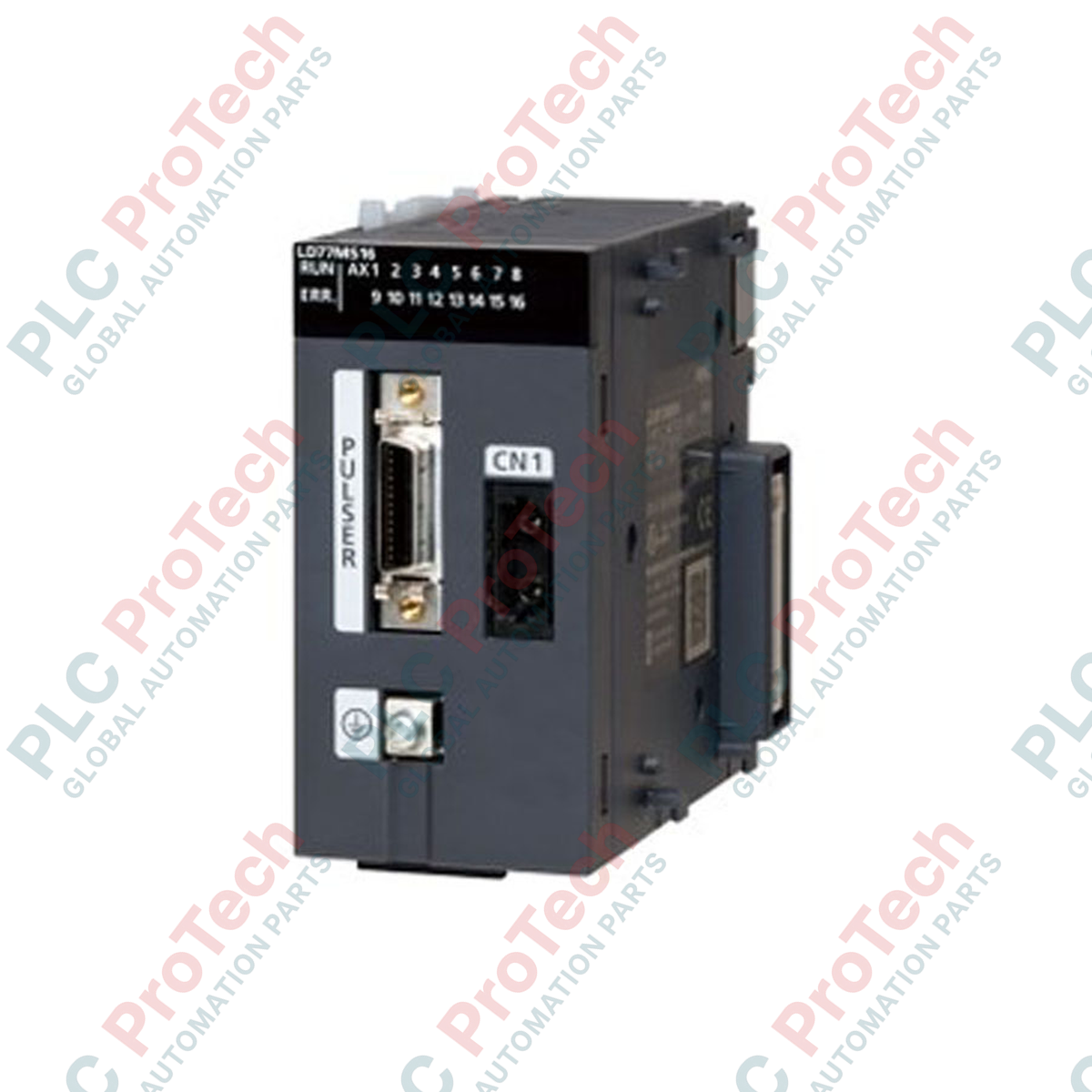
ماژول Mitsubishi Electric LD77MH16 که برای همگامسازی پرسرعت چندمحوره در پلتفرم سری MELSEC L طراحی شده است، کنترل پیشرفته حرکت، موقعیتیابی و همزمانی را از طریق یک شبکه فیبر نوری با کارایی بالا ارائه میدهد. این ماژول موقعیتیابی با تراکم بالا از حداکثر ۱۶ محور حرکت روی SSCNET III/H پشتیبانی میکند و برای ماشینآلات صنعتی سنگین، مصونیت قدرتمندی در برابر نویز و انتقال سریع فرمان را فراهم میسازد. این دستگاه با داشتن ورودیهای دیجیتال داخلی برای ثبت پرسرعت، بهعنوان واسط فرمان مرکزی عمل میکند و منطق PLC را بدون کاهش کارایی گذرگاه پشتی به اجرای فرمان توسط تقویتکننده سروو متصل میسازد.
| پارامتر | مشخصات |
|---|---|
| سازنده | Mitsubishi Electric |
| کد مدل | LD77MH16 |
| نوع ماژول | ماژول حرکت ساده |
| تعداد محورهای کنترلی | ۱۶ محور |
| واسط تقویتکننده سروو | SSCNET III/H (فیبر نوری ۵۰ مگابیتبرثانیه) |
| نقاط ورودی | ۴ نقطه |
| ایزولاسیون مدار ورودی | فتوکاپلر |
| ولتاژ ورودی نامی | ۲۴ ولت مستقیم |
| محدوده ولتاژ عملیاتی | ۲۱٫۶ تا ۲۶٫۴ ولت مستقیم (ضریب ریپل ۵٪ یا کمتر) |
| جریان ورودی نامی | حدود ۵ میلیآمپر |
| ولتاژ / جریان روشن | ۱۷٫۵ ولت مستقیم یا بیشتر / ۳٫۵ میلیآمپر یا بیشتر |
| ولتاژ / جریان خاموش | ۵ ولت مستقیم یا کمتر / ۰٫۹ میلیآمپر یا کمتر |
| مقاومت ورودی | حدود ۵٫۶ کیلواهم |
| زمان پاسخ | ۱ میلیثانیه یا کمتر |
| اندازه سیم پیشنهادی | AWG24 (۰٫۲ میلیمتر مربع) |
| مصرف جریان داخلی (۵ ولت مستقیم) | ۰٫۷۰ آمپر |
| کشور مبدأ | ژاپن |
| وزن خالص ماژول | ۰٫۲۲ کیلوگرم |
| وزن حمل (محاسبهشده) | ۲٫۰۰ کیلوگرم |
| رابط / واسط | تخصیص عملکرد / مدار |
|---|---|
| درگاه CN1A | اتصال ورودی لینک نوری SSCNET III/H |
| درگاه CN1B | اتصال خروجی/پاییندست لینک نوری SSCNET III/H |
| کانکتور ورودی خارجی | ورودیهای دیجیتال 24 VDC (نقاط 1 تا 4) برای سیگنالهای حد، توقف یا پروب لمسی |
LD77MH16 گونه 16محوره خط موقعیتیابی MELSEC L است. برای سیستمهایی که به محورهای کمتری نیاز دارند، مدل سختافزاری مشابه LD77MH4 (4محوره) بهعنوان جایگزین نرمافزاری با زیرمجموعه قابلیتها، مستقیماً قابل نصب است. هنگام انتقال پیکربندیهای نرمافزاری از ماژولهای QD77MS سری Q، مطمئن شوید تخصیصهای حافظه بافر مطابقت دارند؛ زیرا معماری سری L بلوکهای پیکربندی را در فضای آدرس سراسری اندکی متفاوت نگاشت میکند.
سیستم فیبر نوری کاملاً به صحت سیگنال نوری وابسته است. اطمینان یابید که شعاع خم حداقل مجاز کابلهای نوری MR-J3BUS رعایت میشود. خمهای بیشازحد تند باعث تضعیف شدید سیگنال شده و به قطعووصلهای متناوب ارتباط، خطاهای «SSCNET Frame Error» یا قطع ناگهانی سروو در شرایط کاری با ارتعاش زیاد منجر میشوند.
هنگام پیکربندی سیستمهای انکودر مطلق، اطمینان یابید که مختصات مطلق در Simple Motion Setting Tool بهدرستی مقداردهی اولیه شدهاند. ورودیهای ثبت خارجی 24 VDC را با کابلکشی زوجتابیده و شیلددار مسیریابی کنید. این خطوط را از مسیرهای برق AC سروو با جریان بالا جدا نگه دارید تا کوپلینگ خازنی، که میتواند باعث تحریکهای کاذب ثبت شود، حذف شود.
ماژول را با دقت همراستا کرده و روی ریل DIN محکم نصب کنید؛ اطمینان یابید که واحد با استفاده از اهرمهای قفل جانبی داخلی، بهدرستی با ماژولهای مجاور سری L درگیر شده است.
درپوشهای محافظ را از درگاههای فرستندهگیرنده نوری CN1A/CN1B بردارید و کابلهای فیبر نوری SSCNET III/H را وصل کنید. درپوشهای گردوغبار را برای تعمیرات آینده در محل امن نگهداری کنید.
سیمهای ورودی میدانی 24 VDC را با استفاده از کابلهای شیلددار AWG24 به بلوک ترمینال خارجی متصل کنید و پیش از وصل برق، از مهار صحیح حلقه زمین اطمینان یابید.
ارسال سریع جهانی
بازگشت کالا و گارانتی
سفارشها از دوشنبه تا جمعه پردازش و تحویل داده میشوند (به جز تعطیلات رسمی).
برای شرایط کامل واجد شرایط بودن، هزینههای بازگردانی و جزئیات بازگشت بینالمللی، لطفاً صفحه رسمی ما را مشاهده کنید سیاست بازپرداخت و بازگشت کالا .
| Country of origin |
ایالات متحده آمریکا
|

مدار روشنایی XOR با کلید ۳-SPST را در LogixPro یا RSLogix 500 با استفاده از یک بیت رله داخلی پیادهسازی کنید. شامل جدولهای درستی، معادلات بولی و تأییدشده است.

Allen-Bradley CompactLogix، تابلوهای انتقال خودکار Caterpillar و ژنراتورها را از طریق Modbus RTU در سیستم کنترل توزیعشده DeltaV یکپارچه کنید. این محتوا ProSoft MVI69-MCM و گیتویهای Miille DIN266...

دستور ONS اجرا میشود، اما کویل OTE در Studio 5000 هرگز لچ نمیشود، زیرا وانشات فقط در یک اسکن درست است. در عوض از OTL/OTU یا منطق خودنگهدار استفاده کنید.

درایوهای سرو Kinetix 5500 از Allen-Bradley را روی EtherNet/IP پیکربندی کنید. این دوره مباحث CIP Sync، زمانبندی IEEE 1588 V2، انتخاب Stratix، توپولوژی DLR و HMI را پوشش میدهد.

فیلتر میانگین متحرک، هموارساز پنجرهای لغزان است که بیشتر مهندسان ابزار دقیق آن را در مسیرهای آنالوگ DCS و PLC به کار میبرند. در اینجا نحوه کار پنجره، تأثیر N و زمان نمونهبرداری بر تأخیر، و زمان...

در توربینهای گازی Frame 5 تا 9، سیستمهای GE Mark VI و Mark VIe کنترل را بهصورت نرمافزار کاربردی مبتنی بر بلوکهای تابع اجرا میکنند. این مقاله عملکردهای فرایندی، حفاظتی و توالیگذاری را بررسی...