


راهاندازی OPC UA در KEPServerEX: چکلیست میدانی
یک توالی عملی برای راهاندازی اتصالهای OPC UA در KEPServerEX: مالکیت دادهها را مشخص کنید، تگها را بهصورت محلی آزمایش کنید، نقطه پایانی و اعتماد به گواهی را پیکربندی کنید، دسترسی را محدود کنید،...
تولیدکننده: Mitsubishi Electric
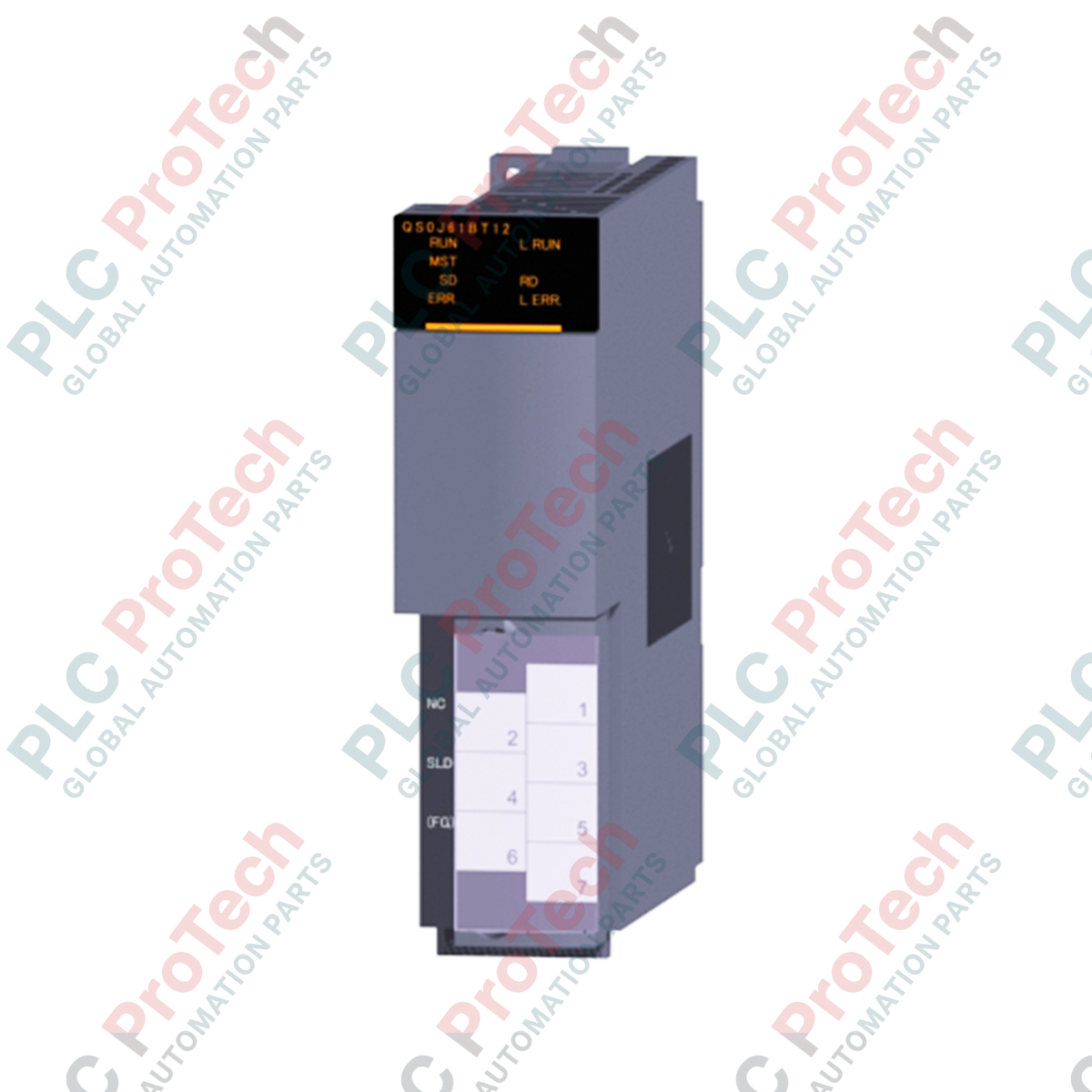
شماره محصول: QS0J61BT12
کشور سازنده:ایالات متحده آمریکا
نوع محصول: ماژولهای PLC ایمنی
پرداخت: حواله بانکی (T/T)، وسترن یونیون
وزن: 1100g
بندر حمل و نقل: شیامن
گارانتی: ۱۲ ماه
ماژول Mitsubishi Electric QS0J61BT12 با ارائه ارتباطات قطعی و ایمنِ عملکردی در محیطهای پرخطر، بهعنوان ایستگاه اصلی اختصاصی ایمنی CC-Link برای پلتفرمهای کنترلی MELSEC-QS عمل میکند. این ماژول اصلی ایمنی، ایستگاههای ورودی/خروجی راه دور ایمن را هماهنگ کرده و عیبیابی دقیق و راستیآزمایی پروتکل ایمنی را روی یک توپولوژی گذرگاه فیزیکی استاندارد اجرا میکند. این ماژول که برای یکپارچهسازی با CPUهای ایمنی طراحی شده است، شبکههای ارتباطی سازگار با SIL3 و رده ۴ را بدون نیاز به سیمکشی جداگانه و اختصاصی برای سیگنالهای داده ایمنی و غیرایمنی فراهم میکند.
| پارامتر | مقدار مشخصه |
|---|---|
| تولیدکننده | Mitsubishi Electric |
| مرجع مدل | QS0J61BT12 |
| نوع ماژول | واحد اصلی سیستم ایمنی CC-Link |
| نوع ایستگاه | ایستگاه اصلی ایمنی |
| نرخهای باود پشتیبانیشده | ۱۵۶ کیلوبیتبرثانیه / ۶۲۵ کیلوبیتبرثانیه / ۲٫۵ مگابیتبرثانیه / ۵ مگابیتبرثانیه / ۱۰ مگابیتبرثانیه (قابل انتخاب) |
| حداکثر فاصله ارتباطی | ۱۲۰۰ متر (در ۱۵۶ کیلوبیتبرثانیه) تا ۱۰۰ متر (در ۱۰ مگابیتبرثانیه) |
| حداکثر ایستگاههای متصل | ۶۴ ایستگاه |
| حداکثر نقاط لینک در هر سیستم | RX/RY: ۲۰۴۸ نقطه؛ RWr: ۲۵۶ نقطه؛ RWw: ۲۵۶ نقطه |
| طرح ارتباطی | نظرسنجی همگانی با همگامسازی فریم |
| کدگذاری خط | کد NRZI |
| لایه فیزیکی | توپولوژی گذرگاه RS-485 |
| کنترل خطا (گرههای ایمنی) | الگوریتم استاندارد CRC32 |
| کنترل خطا (گرههای استاندارد) | الگوریتم استاندارد CRC16 |
| نقاط ورودی/خروجی اشغالشده | ۳۲ نقطه (تخصیص هوشمند ورودی/خروجی) |
| مصرف جریان داخلی (۵ ولت DC) | ۰٫۴۶ آمپر |
| جرم خالص واحد | ۰٫۱۲ کیلوگرم |
| وزن حمل (محاسبهشده) | ۱٫۱۰ کیلوگرم |
| کشور مبدأ | ژاپن |
| نام ترمینال | تخصیص عملکرد و سیگنال |
|---|---|
| DA | خط ارتباطی A در CC-Link |
| DB | خط ارتباطی B در CC-Link |
| DG | زمین سیگنال |
| SLD | ترمینال شیلد (در داخل، از طریق شبکه خازن/مقاومت به FG متصل است) |
| FG | زمین عملکردی (زمین شاسی) |
این ماژول منحصراً برای نصب روی صفحهپشت فیزیکی سری MELSEC-QS طراحی شده است. این ماژول باید در کنار ماژول پردازنده مرکزی ایمنی QS001CPU کار کند. هرچند این ماژول بر سختافزار فیزیکی RS-485 مشابه ماژولهای استاندارد CC-Link سری Q (مانند QJ61BT11N) کار میکند، ماژولهای استاندارد را نمیتوان جایگزین نقشهای مستر ایستگاه ایمنی کرد؛ زیرا ریزکنترلگرهای دوگانه و واحدهای پردازش CRC32 لازم برای اجرای فریمهای داده ایمنی را ندارند.
مطمئن شوید همه بخشهای کابل با استانداردهای لایه فیزیکی CC-Link Ver.1.10 مطابقت دارند. ترکیب کابلهای CC-Link از نسلها یا سازندگان مختلف در یک خط اصلی، امپدانس مشخصه را تغییر میدهد و در نتیجه باعث بازتاب سیگنال میشود. این بازتاب خطاهای گذرای انتقال CRC32 ایجاد میکند و پردازنده مرکزی ایمنی را برای حفظ پروتکلهای ایمنی عملکردی به وضعیت «STOP» میبرد. مطمئن شوید مقاومتهای انتهایی در هر دو انتها دقیقاً با امپدانس مشخصه کابل (معمولاً ۱۱۰ اهم) مطابقت دارند.
همیشه سیم شیلد (SLD) را مستقیماً به ترمینالبلوک وصل کنید و بررسی کنید که ترمینال زمین عملکردی (FG) به شینه مسی زمین با امپدانس پایین در تابلو متصل باشد. هنگام پیکربندی نرمافزار در GX Developer یا GX Works2، نقاط ورودی/خروجی ایمن را به فضای ورودی/خروجی عمومی معمولی نگاشت نکنید؛ برای حفظ بررسیهای دقیق نرمافزاری، این نقاط باید بهطور اختصاصی از طریق زبانه «پارامتر اتصال ایمنی» نگاشت شوند.
1 نصب: زبانه موقعیتیابی پایینی ماژول را در سوراخ راهنمای واحد پایه قلاب کنید و آن را محکم فشار دهید تا ضامن قفل بالایی با صدای کلیک جا بیفتد.
2 محکمسازی: پیچ ثابتکننده ماژول بالایی (M3 x 12) را با گشتاور ۰٫۳۶ تا ۰٫۴۸ N-m سفت کنید تا اتصال پایدار به صفحهپشت و مقاومت در برابر لرزش تضمین شود.
3 سیمکشی: ترمینالبلوک آمادهشده شامل خطوط CC-Link و مقاومت انتهایی (در صورتی که این گره، گره انتهایی باشد) را به ترمینالبلوک متصل کنید.
4 اتصال زمین: ترمینال FG را با استفاده از سیمی با سطح مقطع حداقل ۲ میلیمتر مربع، مستقیماً به نقطه زمین الکتریکی مرکزی محفظه دستگاه وصل کنید.

Global Express Shipping
Returns & Warranty


ارسال سریع جهانی
بازگشت کالا و گارانتی
سفارشها از دوشنبه تا جمعه پردازش و تحویل داده میشوند (به جز تعطیلات رسمی).
برای شرایط کامل واجد شرایط بودن، هزینههای بازگردانی و جزئیات بازگشت بینالمللی، لطفاً صفحه رسمی ما را مشاهده کنید سیاست بازپرداخت و بازگشت کالا .
| Country of origin |
ایالات متحده آمریکا
|

یک توالی عملی برای راهاندازی اتصالهای OPC UA در KEPServerEX: مالکیت دادهها را مشخص کنید، تگها را بهصورت محلی آزمایش کنید، نقطه پایانی و اعتماد به گواهی را پیکربندی کنید، دسترسی را محدود کنید،...

راهاندازی یک PLC متصل به اترنت اغلب با لپتاپ شروع میشود، نه کنترلر. یاد بگیرید چگونه تنظیمات موجود را ثبت کنید، یک نشانی موقت انتخاب کنید، اتصال را آزمایش کنید و پیکربندی شبکه کارخانه را با ایمنی...

کنترل گردوغبار قابلاشتعال به چیزی فراتر از هشدارها نیاز دارد. بیاموزید چگونه تولید گردوغبار را نقشهبرداری کنید، تجهیزات اندازهگیری را انتخاب کنید، اینترلاکها را طراحی کنید، با بازخوردهای ناموفق...

سیمپیچیهای هِیرپین ضریب پُرشدگی شیار را افزایش میدهند و از موتورهای کششیِ فشرده پشتیبانی میکنند، اما هندسهٔ هادی، تلفات جریان متناوب، آسیب عایق، کیفیت جوش و خنککاری تعیین میکنند که آیا طراحی به...

از Ansible برای استانداردسازی تغییرات سرورهای SCADA بدون افزایش ریسک OT استفاده کنید. این راهنما موجودیها، پلیبوکهای ایدمپوتنت، آزمایش مرحلهای، اعتبارنامهها، ثبت گزارشها و کنترلهای عملی بازگشت...

یک VPN مسیر دسترسی به شبکه صنعتی را رمزگذاری میکند، اما کار امن از راه دور روی PLC به کنترل هویت، دسترسی بخشبندیشده، تأیید تغییرات، ثبت رویدادها، محدودههای عملیاتی ایمن و رویههای بازیابیِ...