1 de 3

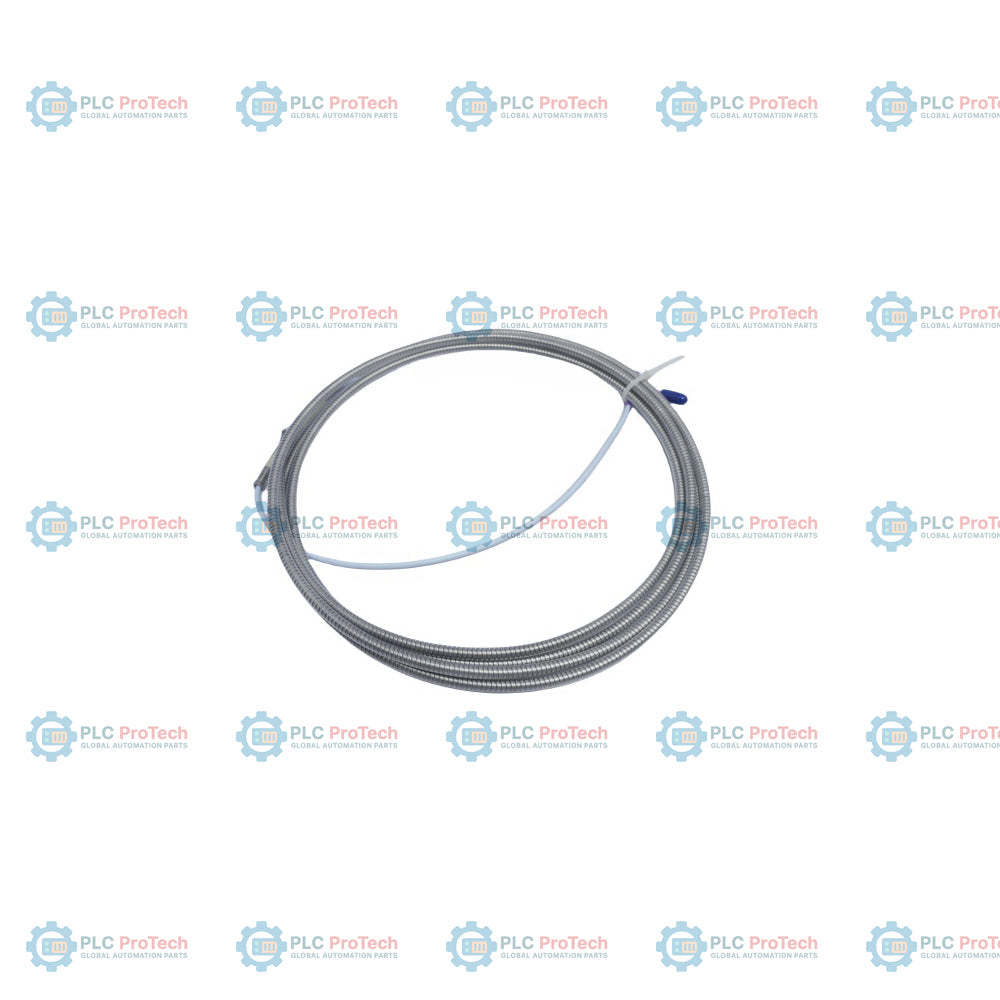
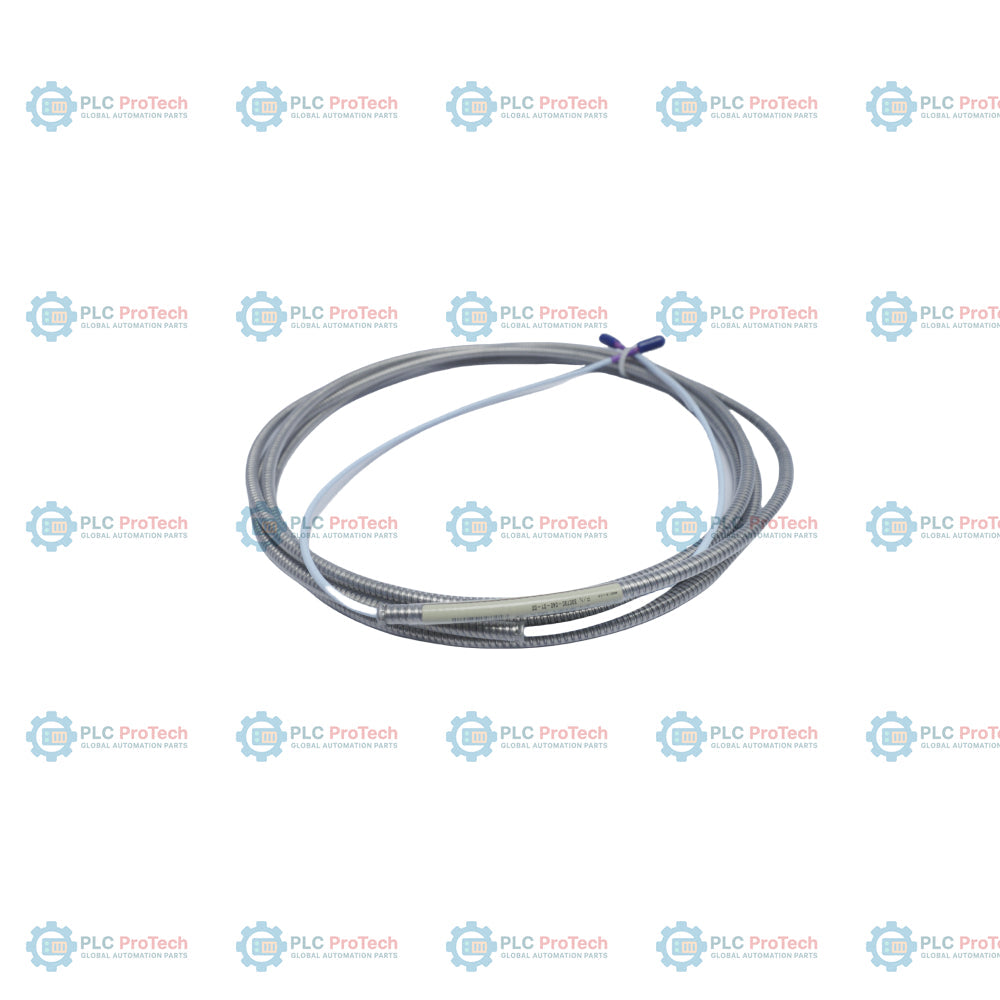
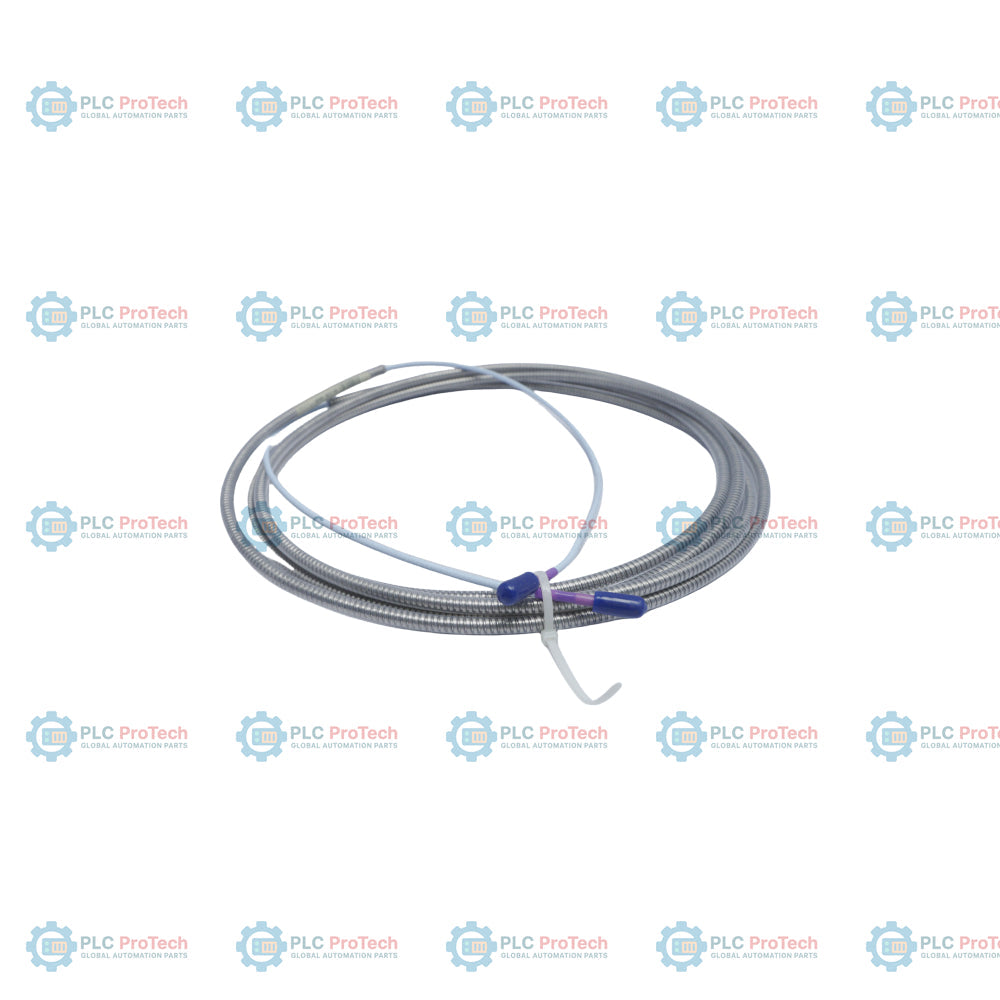
Bently Nevada 330730-040-01-00 3300 XL 11 mm Extension Cable

Bently Nevada 330730-040-01-00 3300 XL 11 mm Extension Cable

Il ne reste que 4 article(s) en stock
  • Fabricant : Bently Nevada

  • N° de produit : 330730-040-01-00

  • Pays d'origine :États-Unis

  • Type de produit : 3300 XL 11 mm Extension Cable

  • Code-barres : 8537101190

  • Paiement : Virement bancaire, Western Union

  • Poids : 180g

  • Dimensions : 50 mm x 100 mm x 100 mm (H x W x D)

  • Port d'expédition : Xiamen

  • Garantie : 12 mois

Quantité
Voir les détails complets

Description

Option 040 (4.0 m length) and Option 01 (armored coaxial cable) specify this 3300 XL 11 mm extension cable configuration — 330730-040-01-00. This 3300 XL 11 mm Extension Cable is used to bridge the physical gap between a 3300 XL 11 mm proximity probe and a 3300 XL 11 mm Proximitor sensor. It supports non-contact eddy-current displacement measurements in machinery protection systems.

Unlike non-armored standard cables (Option 02) or FluidLoc variants (Option 10), this variant is wrapped in a flexible AISI 302 stainless steel armor with an outer FEP jacket, protecting the internal coaxial line from physical abrasion and mechanical damage in demanding turbine or compressor environments. To maintain exact transducer system tuning, this 4.0 m cable must be paired with either a 1.0 m probe to form a 5.0 m system, or a 5.0 m probe to form a 9.0 m system. This Option 00 configuration is for applications that do not require specialized hazardous area approvals.

Features

  • Standard FEP insulated 75 ohm triaxial cable core with flexible AISI 302 SST protective armor.
  • FEP outer jacket over the armor to resist oil, water, and industrial chemical exposure.
  • Integrated gold-plated brass ClickLoc coaxial connectors (one male and one female) for stable signal transmission.
  • Cable length of 4.0 meters (13.1 feet), contributing to a calibrated 5.0 meter or 9.0 meter total system loop.
  • Minimum bend radius of 25.4 mm (1.0 in) simplifies installation and routing around machinery frames.

Applications

  • Steam and gas turbine rotor axial position monitoring.
  • Turbo-compressor shaft radial vibration measurement.
  • Critical rotating machinery protection within 11 mm transducer loops.
  • Mechanical monitoring installations requiring armored cable routing to prevent physical damage.

Ordering Information

Option Option Code on This SKU Description
Orderable Part Number 330730-040-01-00 3300 XL 11 mm Extension Cable
AAA - Cable Length Option 040 4.0 meters (13.1 feet)
BB - Connector and Cable Option 01 Armored cable (Flexible AISI 302 SST with FEP outer jacket)
CC - Agency Approval Option 00 Not required

Technical Specifications

Manufacturer Bently Nevada
Model / Part Number 330730-040-01-00
System Compatibility 3300 XL 11 mm Proximity Transducer System
Cable Construction 75 ohm triaxial coaxial cable, FEP insulated
Armor Protection Flexible AISI 302 SST armor with FEP outer jacket
Cable Length 4.0 m (13.1 ft)
Standard Cable O.D. 3.7 mm (0.15 in) maximum
Armored Cable O.D. 7.6 mm (0.30 in) maximum
Core DC Resistance (RCORE) 0.3 +/- 0.1 ohms
Shield/Jacket DC Resistance (RJACKET) 1.0 +/- 0.25 ohms
Extension Cable Capacitance 69.9 pF/m (21.3 pF/ft) typical
Connector Material Gold-plated brass
Connector Types Miniature ClickLoc coaxial connectors (one male, one female)
Tensile Strength 270 N (60 lbs) maximum rated probe-to-cable tension
Minimum Bend Radius 25.4 mm (1.0 in)
Operating and Storage Temperature -52 degC to +177 degC (-62 degF to +351 degF)
Relative Humidity Limit 100% condensing, non-submersible (with protected connectors)

Connections and Interfaces

Connector End Connector Type Function
Probe Connection End Miniature ClickLoc Female Coaxial Secures to the male connector of the 3300 XL 11 mm proximity probe
Sensor Connection End Miniature ClickLoc Male Coaxial Secures to the female connector of the 3300 XL 11 mm Proximitor sensor

Installation Guidelines

  • Cable Matching: The total combined length of the proximity probe lead and this extension cable must match the calibrated length (5.0 m or 9.0 m) of the paired Proximitor sensor.
  • Connector Connection: Ensure the ClickLoc connectors are clean, dry, and fully joined. Finger-tight connection is recommended, with a maximum connector-to-connector torque of 0.565 N-m (5 in-lb).
  • Protection: Apply silicone self-fusing tape or connector protectors to seal the connection from the environment. Silicone tape is not recommended if exposed directly to turbine oil.
  • Bend Radius: Avoid bending the armored cable tighter than the minimum 25.4 mm (1.0 in) radius during routing.
  • Mounting: Use appropriate cable clamps to support the armored cable along its run to prevent excessive strain on the connector ends.

Compliance and Certifications

  • EMC: EN 61000-6-2 (Immunity), EN 61000-6-4 (Emissions)
  • RoHS: European Community Directive 2011/65/EU
  • FCC: Complies with Part 15 of the FCC Rules
  • Hazardous Areas: This Option 00 configuration is specified for environments where agency hazardous area approvals are not required.

Product Documentation

Technical Datasheet (PDF) Complete specifications and technical drawings.

Technical Datasheet

Bently Nevada 330730-040-01-00 3300 XL 11 mm Extension Cable

What does the 330730-040-01-00 configuration represent?

The part number represents a 3300 XL 11 mm extension cable with a length of 4.0 meters (Option 040), a flexible stainless steel armor sleeve with an outer FEP jacket (Option 01), and no specialized hazardous area approvals (Option 00).

Which proximity probes are compatible with this 4.0-meter extension cable?

This cable is designed for 3300 XL 11 mm systems. It must be paired with a 1.0-meter probe to complete a 5.0-meter system loop, or a 5.0-meter probe to complete a 9.0-meter system loop.

What is the minimum bend radius for this armored cable?

The minimum bend radius is 25.4 mm (1.0 inch) with or without the stainless steel armor sleeve.

What are the electrical resistance values of this 4.0-meter extension cable?

The cable has a typical coaxial shield-to-shield jacket resistance (RJACKET) of 1.0 +/- 0.25 ohms and a center conductor core resistance (RCORE) of 0.3 +/- 0.1 ohms.

Expédition express mondiale

  • Livraison standard : 4 à 6 jours ouvrables via DHL, FedEx et UPS.
  • Expédition express : Expédition le jour même pour les commandes en stock passées avant 14h00 (GMT+8).
  • Couverture mondiale : Service dans plus de 150 pays, avec livraison rapide en Arabie Saoudite et aux Émirats Arabes Unis.

Retours et garantie

  • Garantie de 30 jours : Retours acceptés pour les produits en stock dans leur emballage d'origine scellé en usine.
  • Garantie de 12 mois : Chaque composant industriel est couvert par notre garantie technique professionnelle.

Les commandes sont traitées et livrées du lundi au vendredi (hors jours fériés).


Pour connaître l'éligibilité complète, les frais de restockage et les détails des retours internationaux, veuillez consulter notre site officiel Politique de remboursement et de retour .

TECHNICAL SPECIFICATIONS

Country of origin
États-Unis

Produits récemment consultés

Connaissances techniques

Actionneurs électriques conçus pour remplacer les systèmes à fluide : un guide pratique d'automatisation industrielle

Cet article explique comment les actionneurs électriques intégrés, tels que la série e-Actuator de SMC, transforment le contrôle de mouvement industriel en remplaçant les systèmes pneumatiques et...

Opérations mathématiques avec OpenPLC pour les applications d'automatisation industrielle

Cet article explique comment les systèmes PLC réalisent les opérations mathématiques de base telles que l'addition, la soustraction, la multiplication, la division, le modulo et l'exponentiation dans...

Logique booléenne avancée avec la programmation FBD PLC : applications industrielles pratiques au-delà de la logique de base

L'article explique plusieurs fonctions avancées de logique booléenne utilisées en programmation d'automates programmables industriels (API) au-delà des opérations de base ET, OU et NON. Il couvre...

Logique booléenne en programmation PLC : comprendre les portes logiques FBD

La logique booléenne est la base de tout programme PLC. Des commandes machines simples aux systèmes d'automatisation industrielle complexes, les portes logiques déterminent comment les contrôleurs...

Guide approfondi sur les pare-feux industriels et la segmentation des réseaux OT

Les pare-feux industriels jouent un rôle crucial dans la cybersécurité OT, protégeant les réseaux PLC, DCS et SCADA grâce à la segmentation, au contrôle des entrées/sorties et à l’intégration IDS/IPS...

Guide des pinces robotiques : de la manipulation délicate à l'automatisation lourde

Les pinces robotiques modernes évoluent au-delà des mâchoires mécaniques traditionnelles. Des systèmes adhésifs inspirés des geckos aux pinces souples de qualité alimentaire, en passant par les...