Présentation du produit
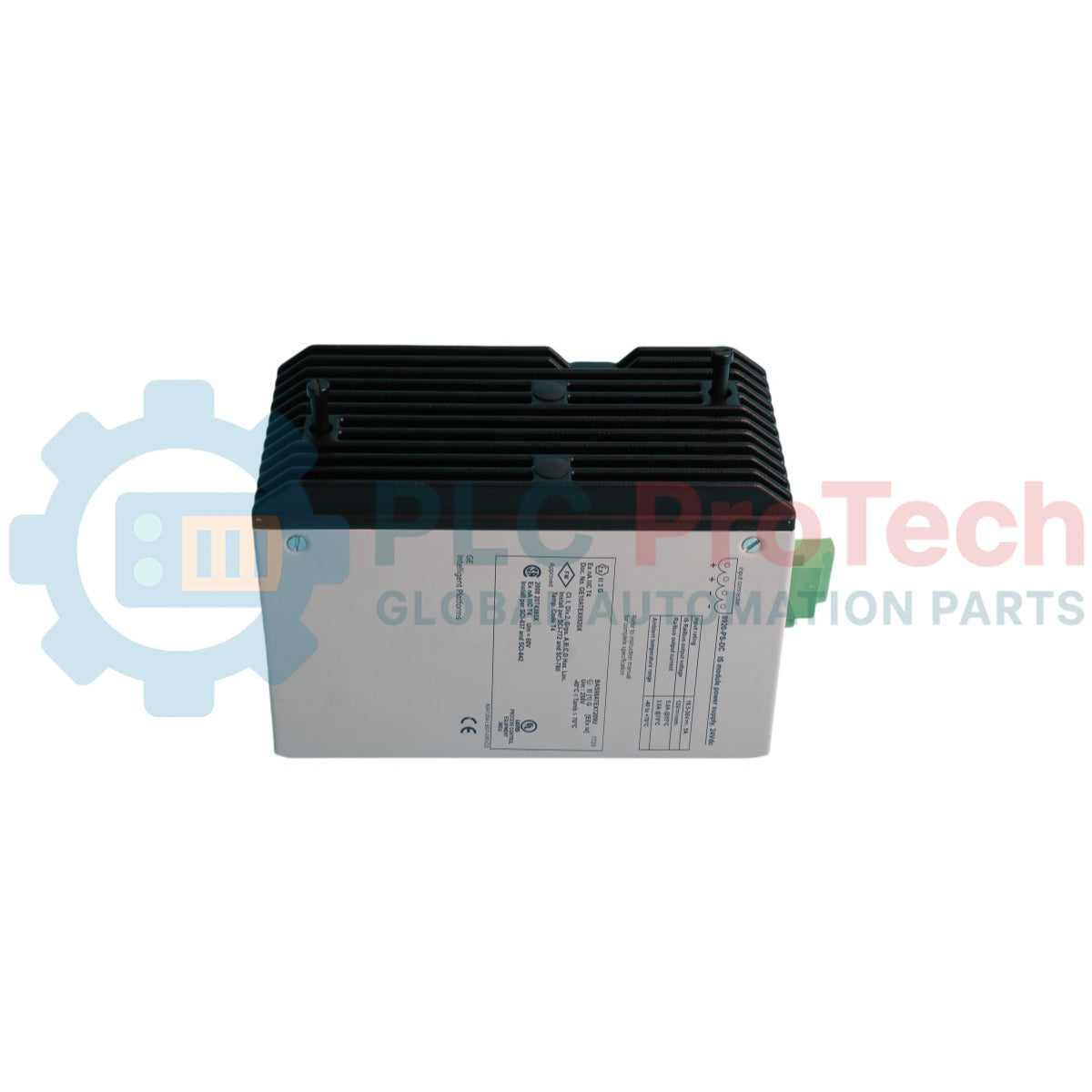
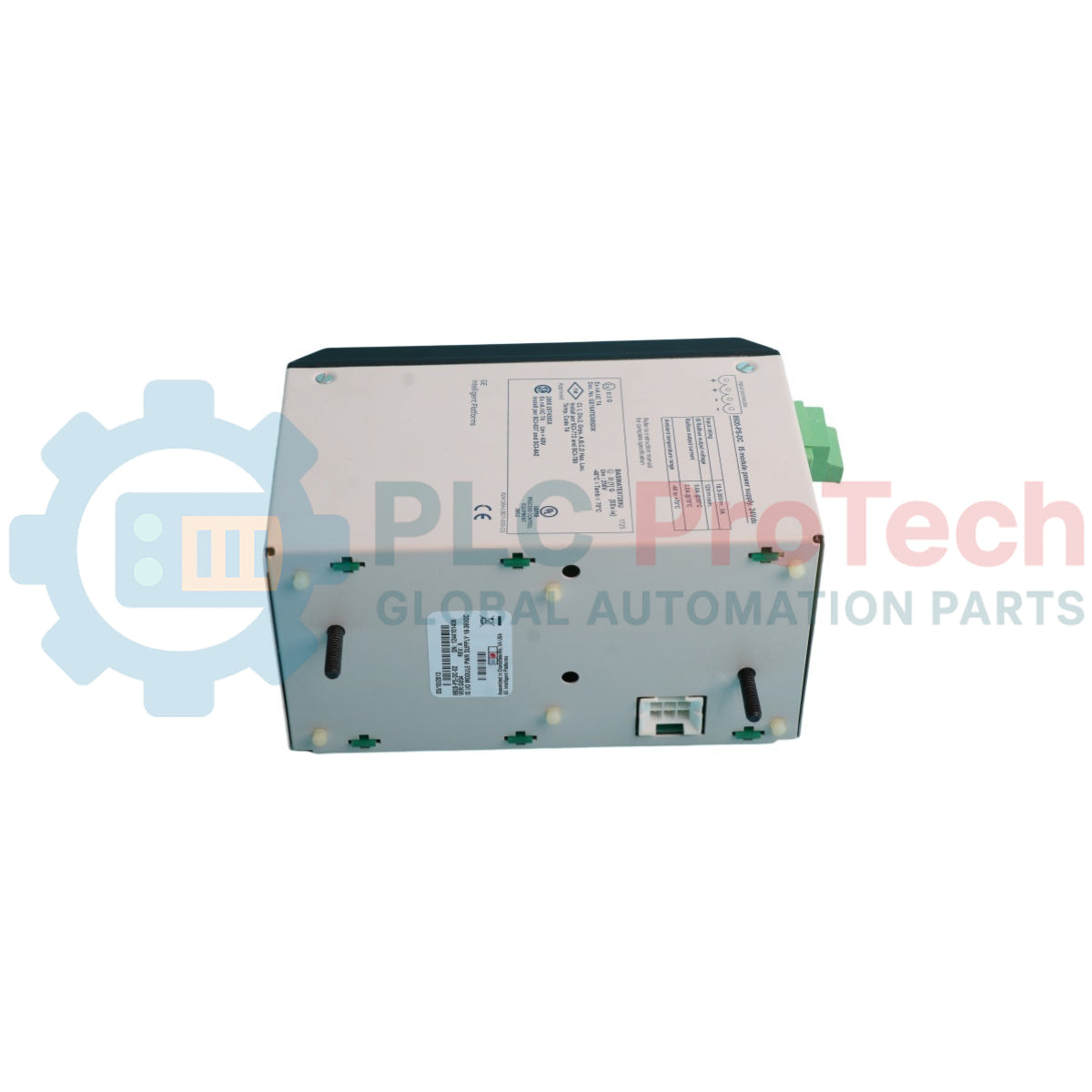
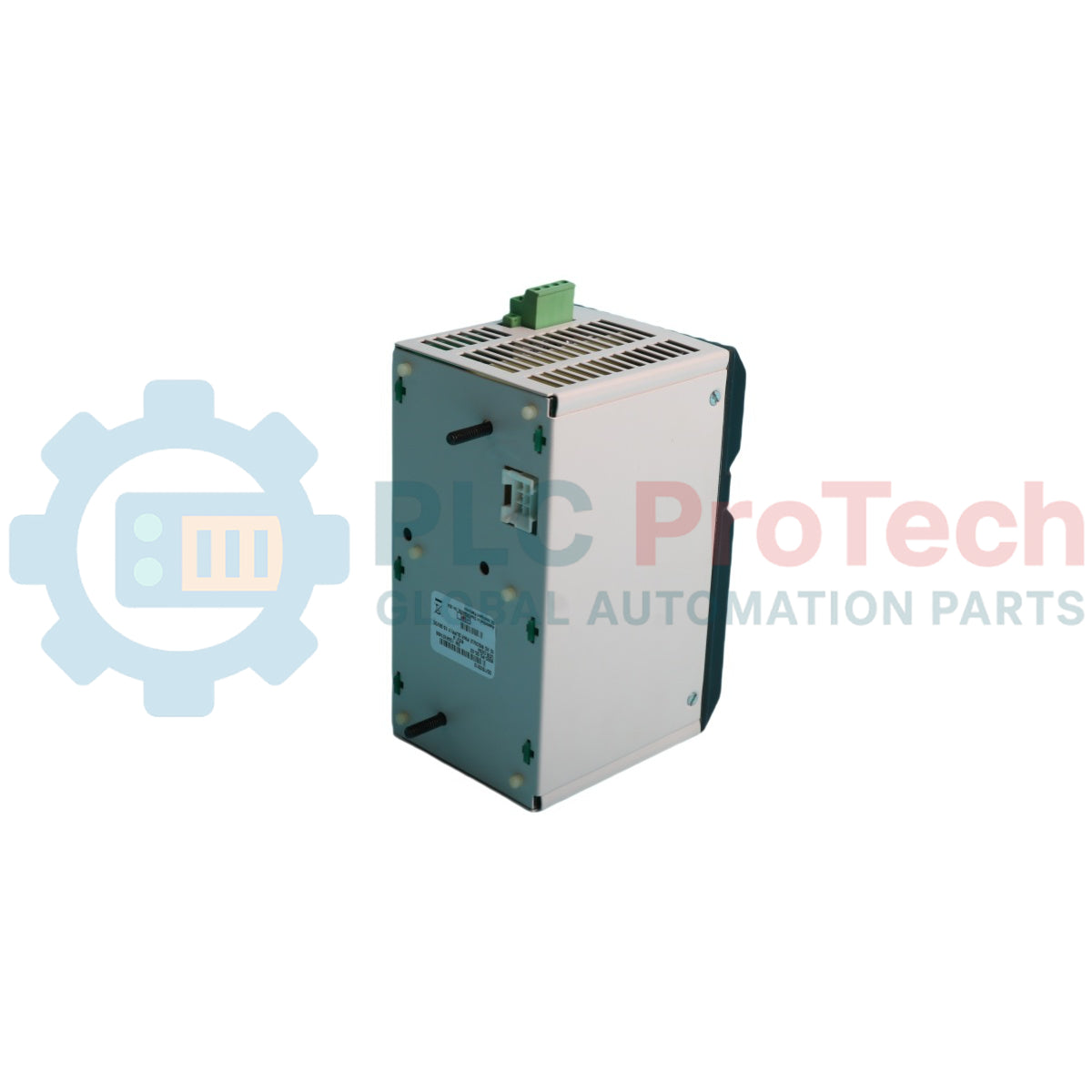
Le MTL 8502-BI-DP (MTL8502BIDP) est un module d'interface de bus (BI) haute performance conçu pour faire le lien entre le système d'E/S de la série MTL 8500 d'Eaton et un contrôleur maître PROFIBUS-DP. Ce module agit comme le « cerveau » de la baie d'E/S, gérant la communication entre les modules d'E/S côté terrain et le DCS ou PLC de niveau supérieur. Il est spécialement conçu pour les applications critiques d'automatisation des procédés dans des secteurs tels que la production d'énergie, le pétrole et gaz, et la fabrication pharmaceutique. En fournissant une passerelle fiable et à haute vitesse, le MTL 8502-BI-DP garantit que les données numérisées du terrain sont rapportées avec précision au système de contrôle, facilitant la surveillance en temps réel et le contrôle déterministe des processus industriels complexes.
Configuration technique (détail approfondi)
Le MTL 8502-BI-DP est construit sur une architecture de communication à haute vitesse qui privilégie l'intégrité des données et la résilience du réseau.
-
Support du protocole PROFIBUS-DP : Conformité totale avec la norme PROFIBUS-DP, supportant des débits de 9,6 kbps jusqu'à 12 Mbps. Cela permet au module de s'intégrer parfaitement aux réseaux industriels existants, quel que soit le fabricant du contrôleur maître.
-
Logique de balayage des E/S : Le module gère le balayage jusqu'à 32 modules d'E/S sur un seul backplane. Il collecte les données analogiques et numériques, effectue des diagnostics internes et regroupe les informations dans des télégrammes PROFIBUS.
-
Capacités de redondance : Lorsqu'il est installé sur un backplane redondant, deux modules MTL 8502-BI-DP peuvent fonctionner en configuration primaire/secondaire. Si le module primaire ou son lien réseau tombe en panne, le module secondaire prend instantanément le relais, évitant ainsi une interruption du système.
-
Isolation galvanique : Offre une isolation de 500 V AC entre le réseau PROFIBUS et le bus interne d'E/S, protégeant le backplane et les modules terrain contre les surtensions potentielles côté réseau et les bruits en mode commun.
Spécifications techniques
| Caractéristique |
Spécification |
| Modèle |
MTL 8502-BI-DP |
| Marque |
Eaton MTL |
| Origine |
Royaume-Uni |
| Protocole d'interface |
PROFIBUS-DP |
| Débit de transmission |
9,6 kbps à 12 Mbps (détection automatique) |
| Plage d'adresses |
1 à 125 (configurable matériellement ou par logiciel) |
| Tension d'alimentation |
18 - 32 VCC (via backplane) |
| Température de fonctionnement |
-40 à 70 °C |
| Humidité relative |
5 à 95 % HR |
| Poids |
0,45 kg |
FAQ techniques
Q1 : Comment l'adresse PROFIBUS est-elle configurée sur le MTL 8502-BI-DP ?
R1 : L'adresse du module peut être définie soit via des commutateurs rotatifs matériels situés à l'avant de l'unité, soit par configuration logicielle à l'aide du fichier GSD dans l'outil de configuration du maître PROFIBUS.
Q2 : Le module supporte-t-il le hot-swapping ?
R2 : Oui, le MTL 8502-BI-DP est conçu pour une insertion et un retrait à chaud. Dans une configuration redondante, vous pouvez remplacer un module d'interface défectueux sans interrompre la communication entre la baie d'E/S et le DCS.
Q3 : Quelles informations de diagnostic sont disponibles via le réseau PROFIBUS ?
R3 : Le module fournit des données d'état complètes, incluant la santé de l'alimentation du backplane, la présence/panne des modules d'E/S, et les erreurs de communication réseau, permettant un dépannage précis depuis la salle de contrôle.
Guide d'ingénierie et d'installation
-
Terminaison du réseau : Assurez-vous que la ligne PROFIBUS-DP est correctement terminée aux deux extrémités du segment. Si le MTL 8502-BI-DP est le dernier appareil sur le réseau, utilisez un connecteur PROFIBUS avec un interrupteur de terminaison actif intégré réglé sur « ON ».
-
Intégration du fichier GSD : Avant la mise en service, importez le fichier GSD (General Station Description) correct dans la configuration matérielle de votre PLC/DCS. Ce fichier contient les informations critiques de temporisation et de paramètres nécessaires pour que le maître reconnaisse le système MTL 8500.
-
Pratiques de blindage : Utilisez uniquement un câble PROFIBUS (violet) blindé de haute qualité. Le blindage doit être connecté en continu à travers tous les connecteurs et mis à la terre au point d'entrée dans l'armoire de contrôle pour minimiser les interférences RFI/EMI.
Avantages d'ingénierie
Le MTL 8502-BI-DP se distingue par sa fiabilité extrême dans les environnements à forte vibration et haute température. Sa capacité à gérer un grand nombre d'E/S via un seul nœud PROFIBUS réduit significativement le coût de l'infrastructure réseau. De plus, la transparence du module aux diagnostics avancés permet des stratégies de maintenance prédictive, aidant les opérateurs d'usine à identifier les conditions de terrain dégradantes avant qu'elles ne provoquent une défaillance matérielle.