Deskripsi
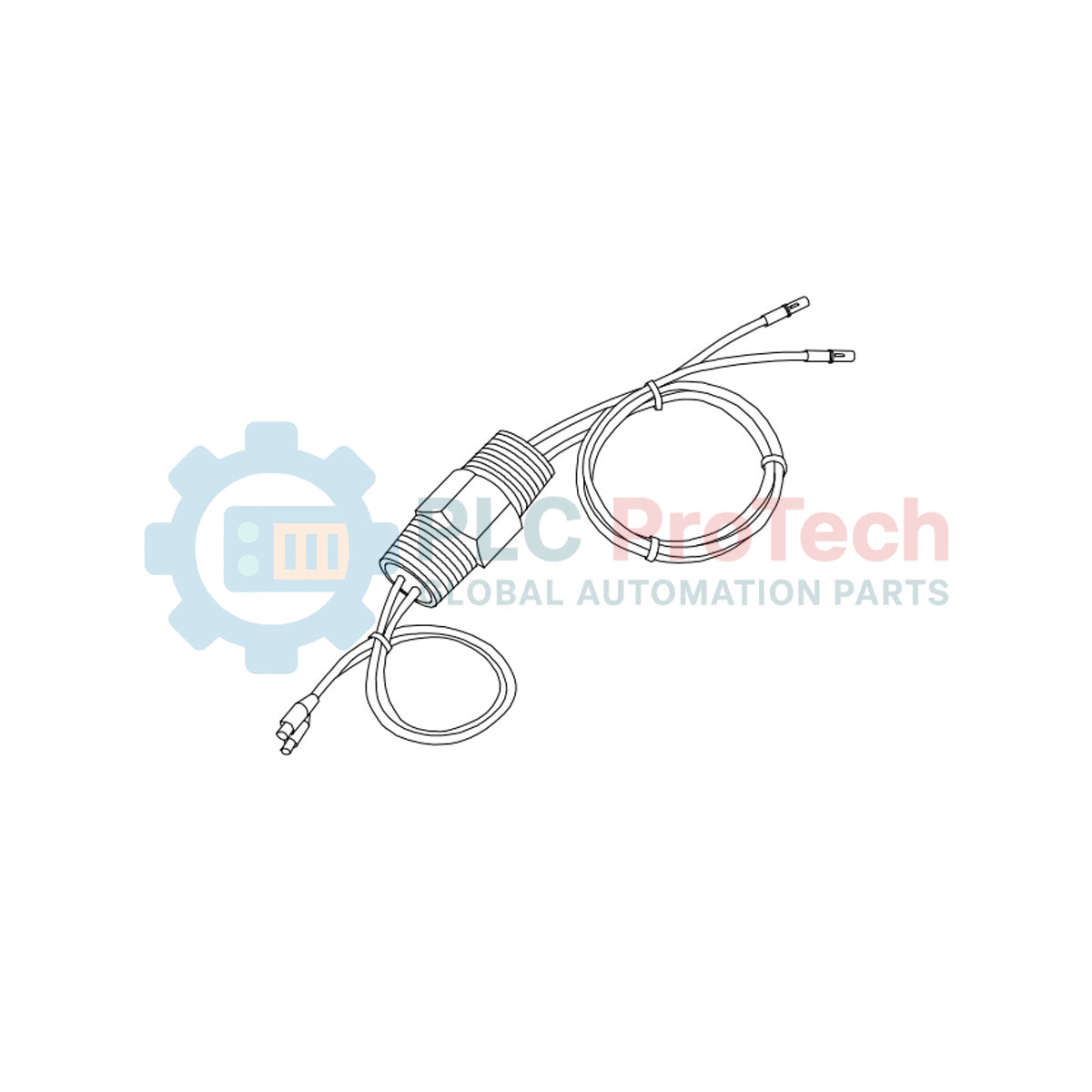
Untuk memfasilitasi transmisi sinyal yang aman dan berintegritas tinggi melalui casing mesin bertekanan, Bently Nevada 330162-02-80-80-XX-XX-94-01-02 berfungsi sebagai feedthrough triaxial ganda bertekanan tinggi (HP) khusus yang dirancang untuk sistem pemantauan getaran Seri 3300. Perangkat ini mengisolasi jalur sensor yang sensitif sekaligus mempertahankan segel mekanis dan kimiawi di lingkungan industri yang keras. Dirancang dengan pelindung fisik yang kokoh pada ujung bertekanan rendah, rakitan ini mengurangi tekanan mekanis eksternal, sehingga memastikan transmisi sinyal probe proksimitas yang stabil dan bebas gangguan dari dalam selubung bertekanan tinggi ke monitor eksternal.
Fitur
-
Jalur Triaxial Ganda: Memungkinkan transmisi sinyal probe proksimitas dua kanal yang terlindung dari gangguan melalui satu penetrasi casing.
-
Perlindungan Pelindung Tekanan Rendah: Memiliki pelindung fisik tugas berat pada sisi keluaran bertekanan rendah untuk menahan abrasi dan geseran mekanis.
-
Penyegelan Fluorokarbon (Opsi 94): Dilengkapi O-ring fluorokarbon bermutu tinggi yang dirancang untuk paparan jangka panjang terhadap butana, minyak bahan bakar, gas alam, minyak bumi, dan minyak turbin.
-
Konektor Koaksial Berpelindung: Dilengkapi konektor koaksial miniatur betina di sisi bertekanan tinggi dan konektor koaksial miniatur jantan di sisi bertekanan rendah untuk menghilangkan redaman sinyal.
-
Jangkauan Luas: Kabel sepanjang 8,0 meter pada kedua dimensi utama mendukung perutean sinyal yang fleksibel melalui selubung struktural.
Aplikasi
- Kompresor sentrifugal dan ekspander bertekanan tinggi.
- Penetrasi sinyal pada casing turbin uap dan turbin gas.
- Fasilitas pemrosesan hidrokarbon dan unit pemurnian petrokimia.
- Sistem pemompaan bawah laut dan mesin berputar dengan segel hermetis.
Spesifikasi Teknis
| Parameter |
Nilai / Spesifikasi |
| Produsen |
Bently Nevada |
| Nomor Model |
330162-02-80-80-XX-XX-94-01-02 |
| Kompatibilitas Sistem |
Sistem Transduser Proksimitas Bently Nevada 3300 |
| Konfigurasi Feedthrough |
Triaxial Ganda Bertekanan Tinggi (HP) |
| Opsi Pelindung |
Dengan pelindung pada ujung bertekanan rendah (Opsi 02) |
| Panjang Dimensi 1 |
8,0 meter |
| Panjang Dimensi 2 |
8,0 meter |
| Bahan O-Ring |
Fluorokarbon (Opsi 94) - Tahan terhadap butana, gas alam, dan minyak |
| Konektor Ujung Bertekanan Tinggi |
Konektor koaksial mini betina (Option 01) |
| Konektor Ujung Bertekanan Rendah |
Konektor koaksial mini jantan (Option 02) |
| Negara Asal |
Amerika Serikat (USA) |
| Berat Pengiriman |
10,0 kg |
Wawasan Rekayasa Empiris
Model Alternatif & Kompatibilitas: Varian feedthrough khusus ini dioptimalkan secara langsung untuk arsitektur sensor proximity 3300 lama dan 3300 XL yang lebih baru, yang memerlukan penetrasi sinyal ganda. Pastikan konektor koaksial mini dicocokkan dengan tepat; mengadaptasikannya ke standar koaksial nonstandar atau alternatif dapat menurunkan kurva kalibrasi dan menyebabkan peringatan sistem yang keliru pada monitor perlindungan mesin.
Kesalahan Penerapan & Catatan Rekayasa: Seal fluorokarbon Option 94 dirancang untuk mencegah degradasi elastomer dalam lingkungan hidrokarbon. Namun, pada aplikasi yang mengandung gas sangat asam (konsentrasi H2S tinggi), verifikasi batas material untuk mencegah dekompresi eksplosif. Jangan memberikan tekanan puntir pada segmen berlapis pelindung maupun tanpa pelindung selama pemasangan, karena hal ini dapat merusak pelindung sinyal internal.
Tips Komisioning & Pengkabelan: Jaga konektor miniatur betina internal bertekanan tinggi tetap bersih dan bebas dari kelembapan atau gemuk pelumas sebelum disambungkan. Kontaminasi apa pun di dalam selubung koneksi dapat berdampak signifikan pada impedansi probe, sehingga menyebabkan gangguan tegangan bias sensor pada rak pemantauan 3300 Anda.
Panduan Pemasangan
PERINGATAN KRITIS
Kurangi tekanan pada casing mesin, keluarkan semua gas, dan pastikan sistem sepenuhnya terisolasi serta tidak berenergi sebelum memasang atau melakukan pemeliharaan pada feedthrough bertekanan tinggi apa pun. Kegagalan mematuhi protokol keselamatan dapat menyebabkan pelepasan fluida bertekanan tinggi yang katastrofis.
1
Periksa port pada casing mesin dan bersihkan ulir internal untuk menghilangkan kotoran atau geram.
2
Lumasi ringan O-ring Fluorocarbon dengan oli yang kompatibel dengan sistem sebelum memasang badan feedthrough.
3
Pasang feedthrough ke port dengan tangan untuk menghindari ulir silang, lalu kencangkan sesuai spesifikasi OEM.
4
Sambungkan kabel koaksial mini ke probe internal dan jalur monitor eksternal tanpa melebihi radius tekuk minimum.