


Proyek PLC TwinCAT Pertama pada IPC Beckhoff
Bangun dan verifikasi proyek PLC TwinCAT pertama pada IPC Beckhoff. Daftar periksa ini mencakup pemilihan target, penemuan EtherCAT, pemetaan I/O, aktivasi yang aman, pengujian mulai ulang, dan...
Produsen: Mitsubishi Electric
Nomor Produk: MR-J4W2-44B
Negara asal:Amerika Serikat
Jenis Produk: Penguat Servo
Pembayaran: T/T, Western Union
Berat: 1400g
Dimensi: 195 mm x 60 mm x 168 mm
Pelabuhan pengiriman: Xiamen
Garansi: 12 bulan
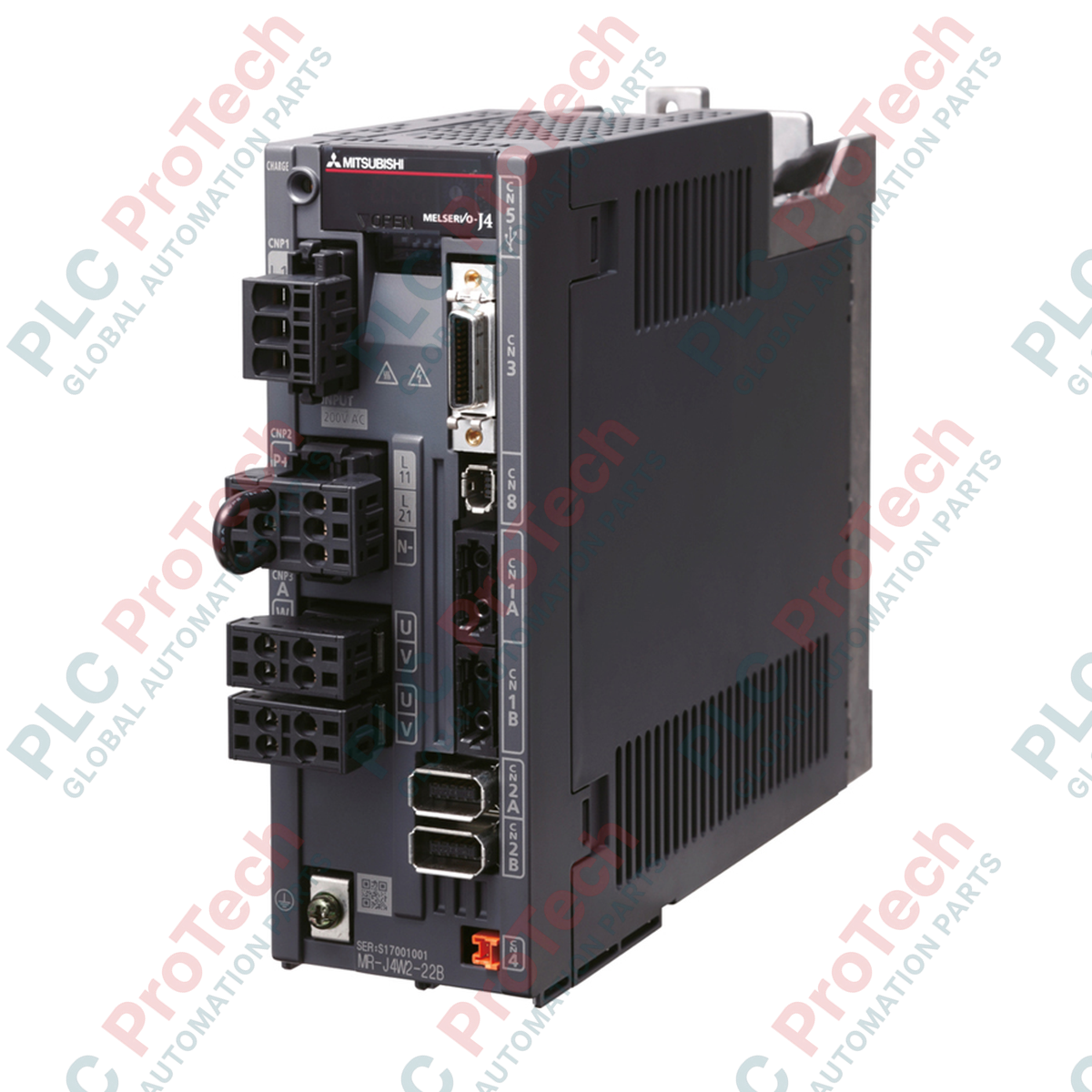
Dirancang untuk menjalankan kontrol multi-axis tersinkronisasi dalam satu wadah hemat ruang, Mitsubishi Electric MR-J4W2-44B adalah amplifier servo AC digital dual-axis yang beroperasi pada platform MELSERVO-J4. Dengan mengonsolidasikan elektronik kontrol untuk dua axis independen 0,4 kW, unit ini secara signifikan mengurangi jejak panel kontrol, mengoptimalkan distribusi daya, dan menyederhanakan perutean jaringan. Integrasi komunikasi serat optik berkecepatan tinggi SSCNET III/H memungkinkan sinkronisasi gerakan beresolusi tinggi dengan interferensi elektromagnetik yang dapat diabaikan, menjadikannya pilihan ideal untuk rakitan otomatis multi-axis berkecepatan tinggi.
| Produsen | Mitsubishi Electric |
| Nomor Model | MR-J4W2-44B |
| Nama Seri | MELSERVO-J4 (MR-J4) |
| Axis yang Dikontrol | 2 Axis (Axis A dan Axis B) |
| Daya Output Terukur | 0,4 kW per axis (Total 0,8 kW) |
| Antarmuka Komunikasi | SSCNET III/H (Koneksi optik) |
| Catu Daya Rangkaian Utama | 3-fase 200 hingga 240 VAC, 50/60 Hz |
| Catu Daya Rangkaian Kontrol | 1-fase 200 hingga 240 VAC, 50/60 Hz |
| Kompatibilitas Encoder | Sistem absolut/inkremental 22-bit |
| Metode Pendinginan | Pendinginan alami |
| Suhu Pengoperasian Ambien | 0 hingga 55 degC (tidak membeku) |
| Dimensi (T x L x D) | 195 mm x 60 mm x 168 mm |
| Berat Bersih | 1,4 kg |
| Berat Pengiriman (Dihitung) | 3,5 kg |
| Kode Terminal / Konektor | Penetapan Fungsi |
|---|---|
| L1 / L2 / L3 | Input catu daya rangkaian utama (200-240 VAC) |
| L11 / L21 | Input catu daya rangkaian kontrol |
| U / V / W (Axis A) | Terminal output motor servo untuk Axis A |
| U / V / W (Axis B) | Terminal keluaran motor servo untuk Axis B |
| CN1A / CN1B | Konektor loop serat optik SSCNET III/H (Masuk/Keluar) |
| CN2A / CN2B | Antarmuka koneksi enkoder untuk Axis A / Axis B |
| CN8 | Konektor sinyal keselamatan fungsional (STO) |
Seri MR-J4W2 dirancang sebagai platform utama untuk konfigurasi multi-axis dalam ekosistem MR-J4. Perhatikan bahwa saat memigrasikan unit MR-J3W lama ke konfigurasi MR-J4W2, diperlukan penerjemahan parameter dalam perangkat lunak pemrograman seperti GX Works2 atau GX Works3. Meskipun jejak pemasangan fisiknya sedikit berbeda dari unit sumbu tunggal, penghematan ruang karena penghapusan kabel daya kontrol independen dengan mudah membenarkan peralihan tersebut.
Karena Axis A dan Axis B berbagi bus DC internal yang sama, energi regeneratif dari perlambatan salah satu axis secara alami dimanfaatkan oleh axis kedua yang sedang menggerakkan motor. Namun, jika kedua axis mengalami perlambatan dengan inersia tinggi secara bersamaan, kapasitas regeneratif dapat dengan cepat memenuhi kapasitor internal dan memicu gangguan Tegangan Lebih (AL.33). Untuk operasi dengan siklus regeneratif berkelanjutan atau inersia beban tinggi, selalu hitung kebutuhan regenerasi total sistem dan hubungkan resistor regenerasi eksternal dengan ukuran yang sesuai di antara terminal L+ dan L-.
Saat memasang kabel serat optik SSCNET III/H (MR-J3BUS_M), jangan melanggar radius tekuk minimum 25 mm. Tekukan tajam atau ketegangan pengikat kabel yang berlebihan pada jalur serat optik akan melemahkan sinyal cahaya, sehingga menyebabkan kegagalan jalur acak (AL.37) atau kesalahan komunikasi (AL.E6). Selalu tutup port optik yang tidak digunakan pada penguat untuk mencegah kontaminasi debu dan kelembapan pada lensa transceiver optik.
PERINGATAN PENTING:
Risiko sengatan listrik dan pelepasan muatan sisa. Selalu putuskan catu daya sirkuit utama dan sirkuit kontrol sebelum memulai pemasangan fisik atau pengkabelan. Setelah mematikan daya, tunggu minimal 15 menit hingga lampu muatan internal di bagian depan penguat benar-benar padam sebelum menangani sambungan kabel.

Global Express Shipping
Returns & Warranty


Pengiriman Ekspres Global
Pengembalian & Garansi
Pesanan diproses dan dikirimkan Senin-Jumat (tidak termasuk hari libur nasional).
Untuk kelayakan penuh, biaya pengisian ulang, dan detail pengembalian internasional, silakan lihat resmi kami Kebijakan Pengembalian & Pengembalian Dana .
| Country of origin |
Amerika Serikat
|

Bangun dan verifikasi proyek PLC TwinCAT pertama pada IPC Beckhoff. Daftar periksa ini mencakup pemilihan target, penemuan EtherCAT, pemetaan I/O, aktivasi yang aman, pengujian mulai ulang, dan...

Urutan commissioning praktis untuk koneksi OPC UA KEPServerEX: tentukan kepemilikan data, uji tag secara lokal, konfigurasikan endpoint dan kepercayaan sertifikat, batasi akses, lalu verifikasi...

Commissioning PLC yang terhubung melalui Ethernet sering kali dimulai dari laptop, bukan dari pengontrol. Pelajari cara mencatat pengaturan yang ada, memilih alamat sementara, menguji konektivitas,...

Pengendalian debu yang mudah terbakar memerlukan lebih dari sekadar alarm. Pelajari cara memetakan timbulan debu, memilih instrumentasi, merancang interlock, menangani umpan balik yang gagal, menguji...

Lilitan hairpin meningkatkan pengisian alur dan mendukung motor traksi yang ringkas, tetapi geometri konduktor, rugi-rugi AC, kerusakan isolasi, kualitas pengelasan, dan pendinginan menentukan apakah...

Gunakan Ansible untuk menstandarkan perubahan pada server SCADA tanpa meningkatkan risiko OT. Panduan ini mencakup inventaris, playbook idempoten, pengujian bertahap, kredensial, pencatatan log, dan...