Deskripsi
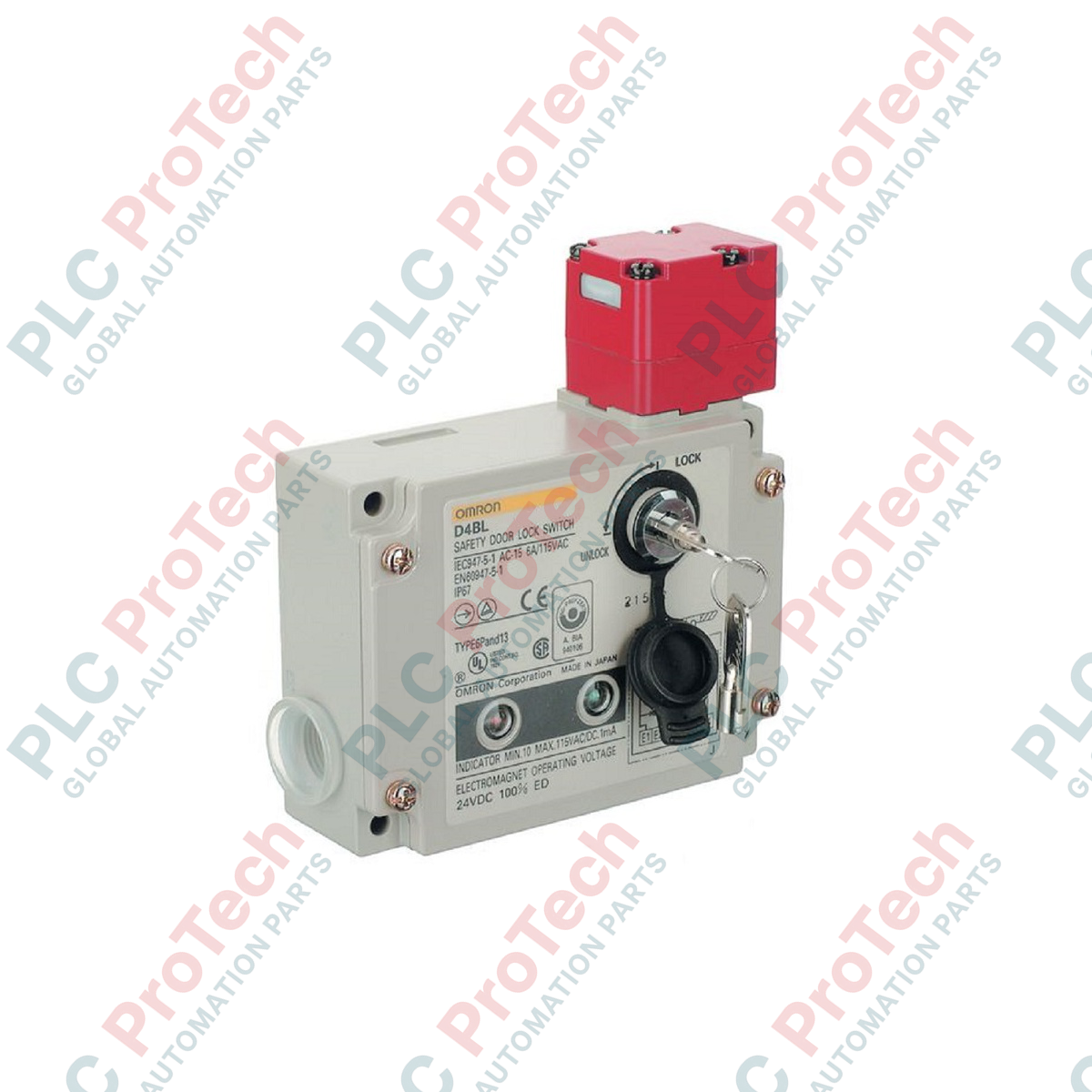
Untuk mengamankan pintu akses industri berat dan enclosure mesin berbahaya, Omron D4BL-2CRA adalah sakelar interlock pengaman kelas industri yang dirancang dengan kunci mekanis yang kokoh dan mekanisme pelepasan solenoid 24 VDC. Dibuat untuk memenuhi standar keselamatan internasional yang ketat, perangkat ini memiliki konfigurasi dua saluran kabel dan beberapa output kontak untuk menjamin pemantauan pintu yang andal serta integrasi keselamatan di seluruh sistem.
Sakelar ini berfungsi sebagai perangkat interlock Tipe 2 berdasarkan EN ISO 14119, menggunakan desain kunci aktuator berkode level rendah. Untuk mencegah terjebaknya personel atau penguncian yang tidak disengaja saat terjadi kegagalan daya, kunci pelepasan bantu terintegrasi langsung ke dalam housing yang kokoh, sehingga memungkinkan pelepasan manual oleh personel pemeliharaan yang berwenang. Konstruksi mekanisnya yang kuat mencapai peringkat IP67, memastikan pengoperasian yang andal di lingkungan keras yang terkontaminasi debu, serpihan, dan semprotan air bertekanan rendah.
Fitur
-
Kunci Mekanis Fail-Safe: Menggunakan prinsip penguncian mekanis fisik yang mengamankan kunci aktuator saat dimasukkan, dan memerlukan pemberian energi 24 VDC pada solenoid untuk melepaskannya.
-
Output Multi-Kontak: Dilengkapi kontak 1NC/1NO untuk mendeteksi pintu terbuka/tertutup serta kontak sakelar pemantau kunci 1NC khusus, yang semuanya beroperasi dengan mekanisme aksi lambat.
-
Orientasi Kepala Fleksibel: Mekanisme kepala yang dapat disesuaikan memungkinkan hingga empat arah pemasangan berbeda, sehingga mengoptimalkan pilihan penyelarasan selama penerapan sistem.
-
Pelepasan Bantu: Kunci pelepasan bantu terintegrasi memungkinkan pembukaan kunci secara manual untuk prosedur pemeliharaan atau keadaan darurat.
-
Port Saluran Kabel G1/2: Struktur masuk dua saluran menyederhanakan tata letak perkabelan dan memisahkan jalur daya dari sinyal kontrol.
Aplikasi
-
Jalur Perakitan Otomotif: Mengamankan sel robot yang harus tetap tertutup hingga siklus otomatis benar-benar berhenti.
-
Pusat Pemesinan: Dipasang pada pintu pengaman mesin frais, bubut, dan gerinda CNC berkecepatan tinggi untuk mencegah akses selama perlambatan spindel.
-
Zona Pengemasan & Pembuatan Palet: Mencegah operator memasuki jalur konveyor bergerak dan zona pengikatan otomatis yang berbahaya.
-
Pengaduk Industri Berat: Memastikan pintu pemuatan material tetap terkunci hingga bilah pengaduk dipastikan benar-benar berhenti.
Spesifikasi Teknis
| Parameter |
Nilai Spesifikasi |
| Produsen |
Omron |
| Penamaan Model |
D4BL-2CRA |
| Tipe Interlock |
Tipe 2 (EN ISO 14119) |
| Prinsip Penguncian |
Kunci Mekanis / Pelepasan Solenoid |
| Tegangan Nominal Solenoid |
24 VDC |
| Level Pengodean |
Kode level rendah (EN ISO 14119) |
| Saluran Kabel |
G1/2 (desain 2 saluran kabel) |
| Konfigurasi Kontak Bawaan |
1NC/1NO (pemantauan pintu) + 1NC (pemantauan kunci), aksi lambat |
| Daya Tahan Listrik |
Minimum 500.000 operasi (beban resistif 10 A pada 250 VAC) |
| Daya Tahan Mekanis |
Minimum 1.000.000 operasi |
| Rentang Kecepatan Operasi |
0,05 hingga 0,5 m/dtk |
| Frekuensi Operasi Maksimum |
30 operasi per menit |
| Tingkat Perlindungan terhadap Masuknya Benda Asing |
IP67 (EN60947-5-1) |
| Berat Perangkat |
0,8 kg |
| Berat Pengiriman |
2,0 kg |
Wawasan Rekayasa Empiris
Model Alternatif & Kompatibilitas
D4BL-2CRA adalah varian kunci mekanis/pelepas solenoid, yang berarti perangkat ini mengandalkan gaya pegas untuk mengunci gerbang dan daya 24 VDC untuk melepaskannya. Dalam aplikasi yang mensyaratkan evakuasi segera saat terjadi kegagalan daya, model dengan kunci mekanis sangat disarankan karena tetap terkunci secara fisik kecuali dibuka menggunakan kunci override mekanis. Hal ini berbeda dengan model kunci solenoid (seperti D4BL-2GRA) yang langsung terbuka saat daya terputus, perilaku yang dapat berbahaya pada proses dengan waktu penghentian yang lama.
Kesalahan Penerapan & Catatan Rekayasa
Selama integrasi sistem, pastikan kumparan solenoid tidak terus-menerus diberi energi dalam waktu lama melebihi parameter desain, karena eksitasi terus-menerus akan menyebabkan tekanan termal. Gunakan logika PLC untuk memberi pulsa pada kumparan pelepas hanya setelah mesin mencapai verifikasi kecepatan nol, dan hentikan sinyal energisasi setelah status gerbang terbuka terkonfirmasi.
Tips Komisioning & Pengawatan
Ketidakselarasan fisik aktuator adalah penyebab utama kerusakan sakelar sebelum waktunya. Saat memasang, pastikan gerbang mekanis telah dilengkapi penghenti pintu fisik. Sakelar keselamatan tidak boleh digunakan sebagai penghenti mekanis; gaya benturan akan mengubah bentuk kepala masuk kunci, yang dapat menyebabkan kegagalan kontak pemantauan kunci. Sambungan konduit harus disegel dengan gland kabel yang sesuai untuk mempertahankan integritas IP67.
Panduan Pemasangan
PERINGATAN KRITIS
Putuskan dan isolasi semua daya sirkuit kontrol sebelum mencoba memasang, menyetel, atau melakukan pengawatan fisik perangkat ini. Pastikan mesin telah berhenti sepenuhnya dan tidak ada energi kinetik atau termal yang tersimpan di dalam sel sebelum mengerjakan penghalang keselamatan.
1
Sesuaikan orientasi kepala dengan mengendurkan sekrup rakitan kepala, memutar kepala ke sumbu target yang diinginkan (pemasangan sisi kanan aktif secara default), lalu mengencangkan sekrup dengan kuat untuk mempertahankan segel IP67.
2
Pasang rumah sakelar dengan kuat pada rangka tetap pelindung keselamatan menggunakan sekrup M5, dan pastikan permukaannya rata untuk mencegah torsi struktural pada badan sakelar.
3
Sejajarkan dan pasang kunci aktuator pendamping pada pintu atau gerbang yang bergerak, lalu pastikan kunci masuk dengan lancar ke bagian tengah slot tanpa tersangkut atau menerima tekanan samping.
4
Selesaikan semua sambungan listrik melalui port konduit G1/2, dengan menghubungkan kontak pemantauan kunci 1NC dan kontak keselamatan pintu 1NC/1NO ke relai keselamatan atau modul input PLC keselamatan Anda.