


Replacing ABB DSQC 351: Controller and Network Checks
Checks to record before replacing ABB 3HNE 00006-1 DSQC 351: controller generation, X3/X5/X20/X21 wiring, DeviceNet settings, INTERBUS mapping, and LED states.
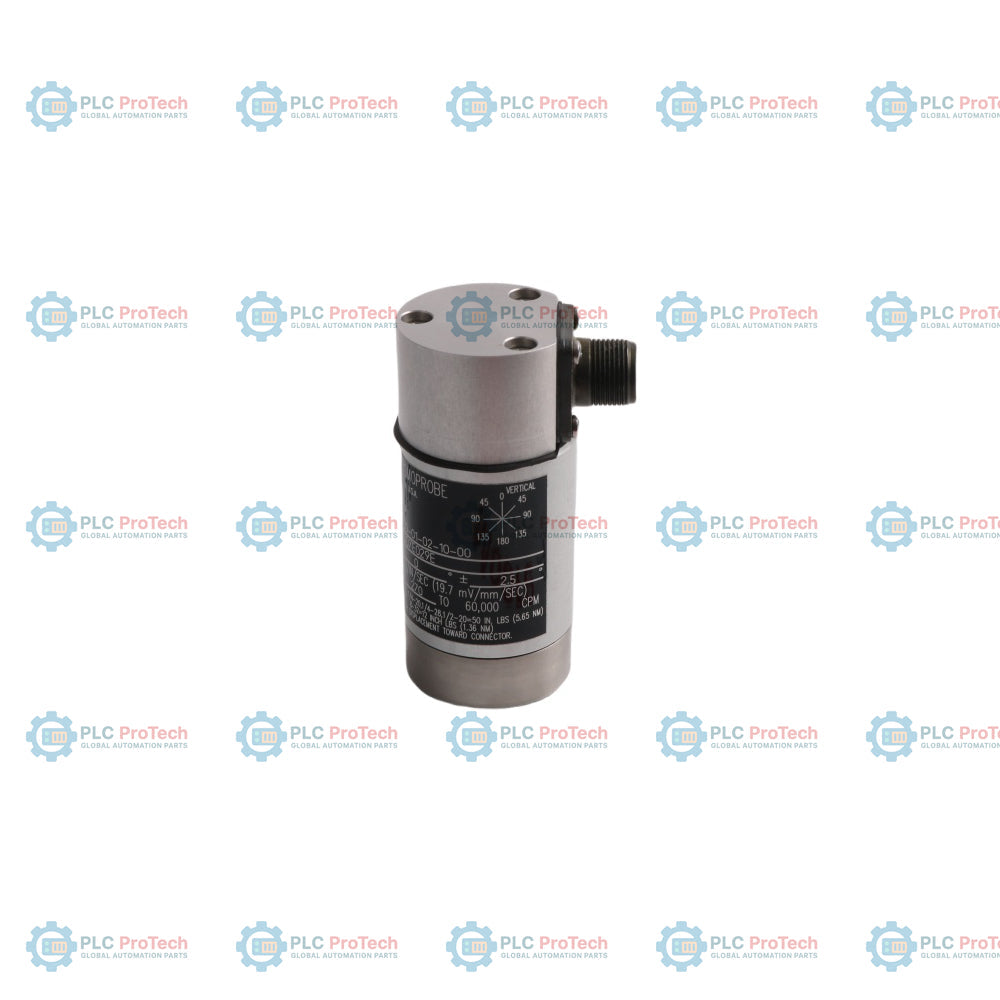
Manufacturer: Bently Nevada
Product No.: 9200-01-02-10-00
Country of origin:United States
Product Type: Trasduttore Seismoprobe
Barcode: 8537101190
Payment: T/T, Western Union
Weight: 480g
Dimensions: 9,5 cm x 4 cm x 5,4 cm
Shipping port: Xiamen
Warranty: 12 months
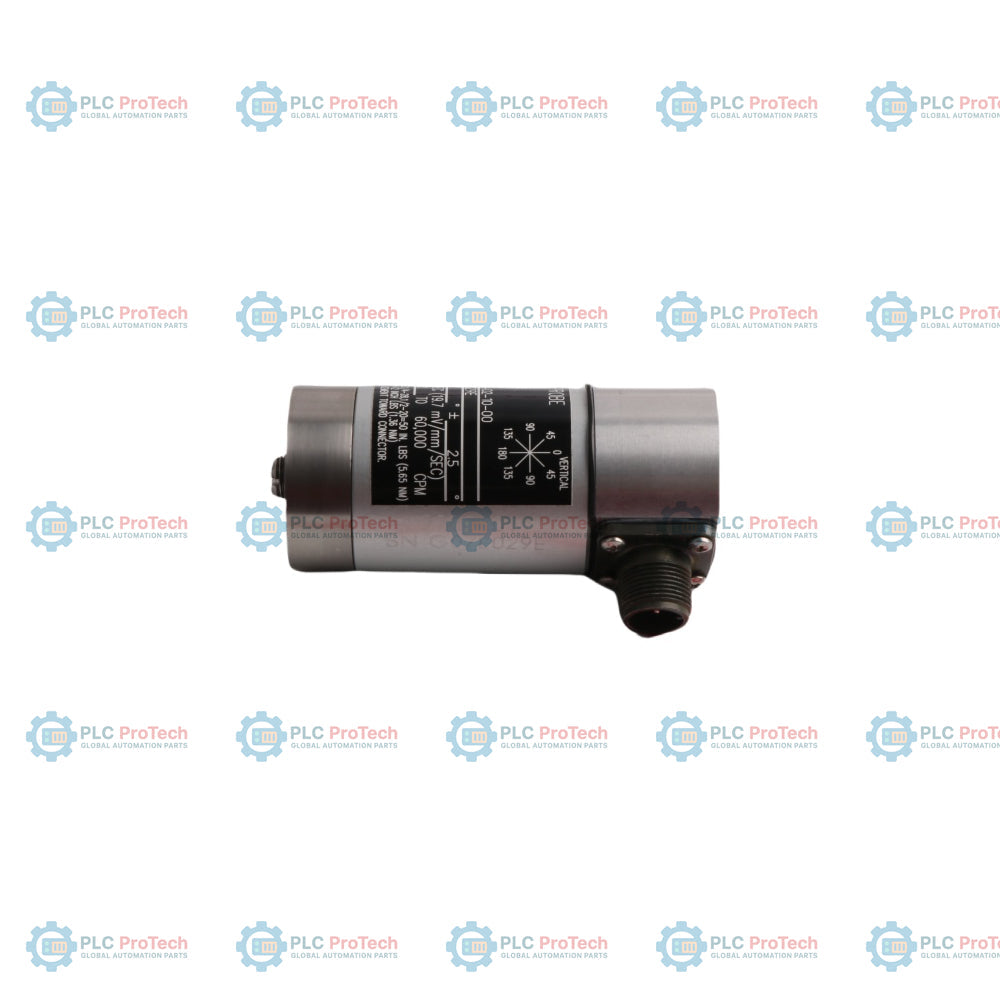
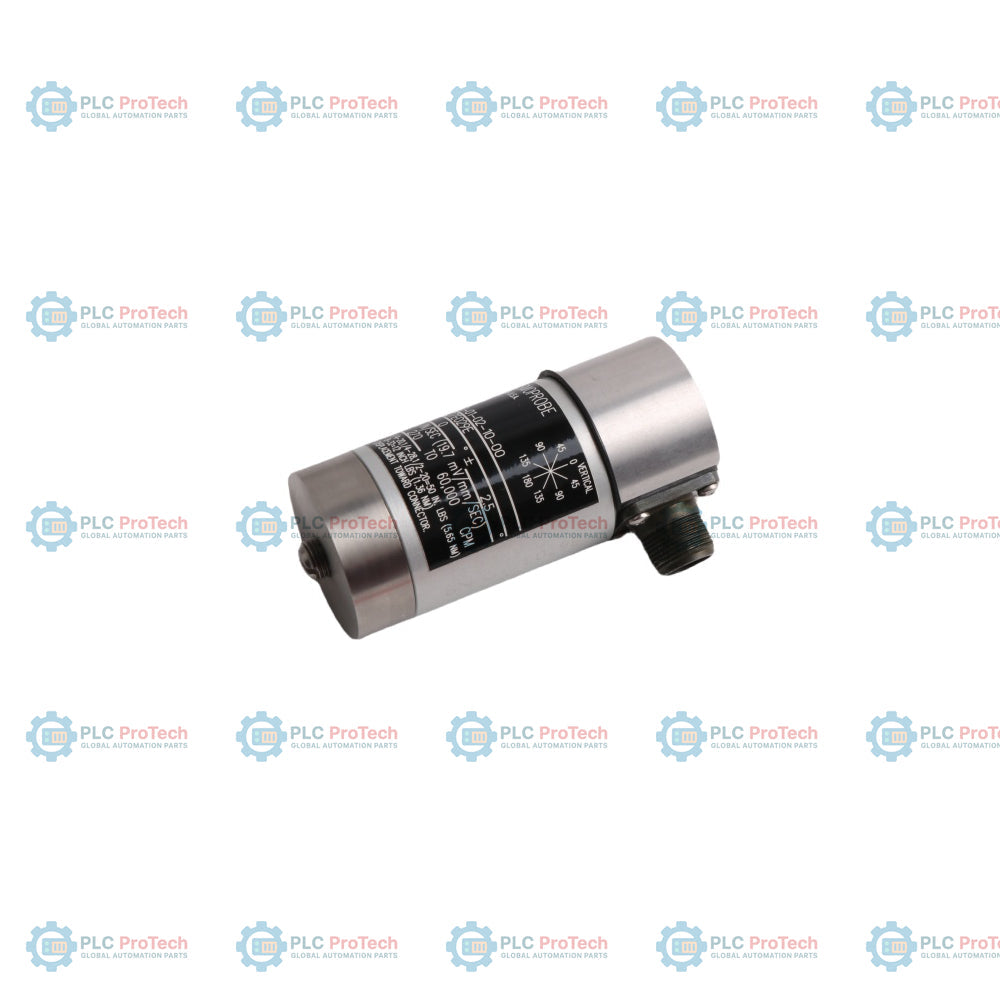
Il Bently Nevada 9200-01-02-10-00 è un trasduttore di velocità Seismoprobe a due fili progettato per misurare le vibrazioni assolute della carcassa dei macchinari rotanti. Questo trasduttore a bobina mobile fornisce un'uscita in tensione direttamente proporzionale alla velocità di vibrazione della carcassa della macchina. Funziona senza alimentazione esterna grazie a un design auto-generante che semplifica il cablaggio sul campo e l'integrazione nei sistemi di monitoraggio continuo. Il 9200-01-02-10-00 è generalmente collegato a sistemi di protezione dei macchinari, come la serie Bently Nevada 3500, per fornire diagnostica continua dei macchinari, rilevamento precoce dei guasti e valutazione delle vibrazioni strutturali.
| Parametro | Specifica |
| Produttore | Bently Nevada |
| Paese di origine | Stati Uniti |
| Tipo di prodotto | Trasduttore di velocità Seismoprobe |
| Sensibilità | 20 mV/mm/s (500 mV/in/s), più o meno 5 percento a 100 Hz |
| Risposta in frequenza | Da 10 Hz a 1000 Hz, più o meno 3 dB |
| Intervallo di temperatura operativa | -29 a +121 gradi Celsius (-20 a +250 gradi C) |
| Orientamento di montaggio | Verticale o orizzontale in base alla selezione dell'opzione |
| Materiale della custodia | Acciaio inossidabile |
| Tipo di collegamento | Cavo integrato o variante con connettore superiore |
| Peso stimato | Circa 0,30 kg |
| Dimensioni | Diametro di circa 41 mm e altezza di 102 mm |
| Pin del connettore | Funzione |
| Pin A / filo rosso | Segnale positivo (+) |
| Pin B / filo bianco | Segnale negativo (-) / comune |
| Schermatura | Messa a terra della custodia / terminazione della schermatura |
Qual è il principio di funzionamento fondamentale del trasduttore?
Utilizza un gruppo bobina mobile e magnete permanente che genera un'uscita in tensione direttamente proporzionale alla velocità della vibrazione fisica, senza alimentazione elettrica esterna.
Questo modello richiede un driver o trasmettitore esterno per la sonda di prossimità?
No, è un sensore di velocità autoalimentato che si interfaccia direttamente con la scheda del monitor di elaborazione.
Cosa accade se un trasduttore verticale viene montato orizzontalmente?
Il gruppo molla-massa interno si disallineerà, causando attrito interno, letture imprecise e potenziali danni alla sospensione della bobina interna.
Come deve essere terminato lo schermo del cavo per le installazioni sul campo?
Lo schermo deve essere isolato presso l'alloggiamento del trasduttore e collegato correttamente alla massa dello strumento all'interno dell'armadio di monitoraggio.
È possibile riparare sul campo questa unità se l'alloggiamento è danneggiato?
No, il trasduttore è un'unità sigillata in fabbrica e deve essere sostituito oppure restituito al produttore per la ricalibrazione e l'assistenza.
Qual è l'impedenza d'uscita tipica di questo sensore?
Presenta un design a bassa impedenza d'uscita, che lo rende adatto a pilotare cavi di trasmissione lunghi senza un degrado significativo del segnale.
È necessaria la calibrazione durante l'installazione iniziale?
L'unità è calibrata in fabbrica e non richiede regolazioni sul campo, sebbene sia consigliata la verifica periodica del parametro di sensibilità.
Quali sono le cause della distorsione o del clipping del segnale in questo tipo di sensore?
Forti urti meccanici che superano i limiti fisici della sospensione della massa interna possono causare l'arrivo a battuta interno e la distorsione del segnale.
È possibile verniciare il trasduttore durante la manutenzione ordinaria dei macchinari?
Si sconsiglia di verniciare il corpo del sensore, poiché ciò può intrappolare il calore, oscurare le etichette identificative e compromettere potenzialmente l'accoppiamento con la base di montaggio.
In che modo la temperatura ambiente influisce sulla sensibilità dell'unità?
La sensibilità rimane altamente stabile nell'intervallo di temperatura operativa specificato, con una variazione minima documentata nei dati di verifica ingegneristica.


Global Express Shipping
Returns & Warranty


Global Express Shipping
Returns & Warranty
Orders are processed and delivered Monday-Friday (excluding public holidays).
For full eligibility, restocking fees, and international return details, please view our official Refund & Return Policy .
| Country of origin |
United States
|

Checks to record before replacing ABB 3HNE 00006-1 DSQC 351: controller generation, X3/X5/X20/X21 wiring, DeviceNet settings, INTERBUS mapping, and LED states.

Compare the IC693CPU360 and IC693CPU364 by Ethernet interface, +5 VDC load, memory, rack limits, and replacement checks.

A field-first diagnostic sequence for 1756-OF4 analog output problems: channel mode, removable terminal block, scaling, and controlled electrical checks.

A direct comparison of 1746-OA8 and 1746-OA16 output count, common grouping, backplane current and temperature-derated load limits.

A field checklist for recording the 1761-NET-DNI hardware series, firmware, EDS file, DF1 settings, DeviceNet address and messaging configuration before replacement.

The EL3062 is a 0–10 V EtherCAT terminal. The EL3062-0030 is a 0–30 V variant. This checklist covers identification, scaling and commissioning.