


نخستین پروژه PLC توینکت روی یک IPC بکهوف
نخستین پروژه PLC در TwinCAT را روی یک IPC از شرکت Beckhoff ایجاد و تأیید کنید. این چکلیست انتخاب هدف، شناسایی EtherCAT، نگاشت ورودی/خروجی، فعالسازی ایمن، آزمایشهای راهاندازی مجدد و سوابق...
تولیدکننده: Mitsubishi Electric
شماره محصول: FR-E720-5.5K
کشور سازنده:ایالات متحده آمریکا
نوع محصول: درایوهای فرکانس متغیر
پرداخت: حواله بانکی (T/T)، وسترن یونیون
وزن: 500g
بندر حمل و نقل: شیامن
گارانتی: ۱۲ ماه
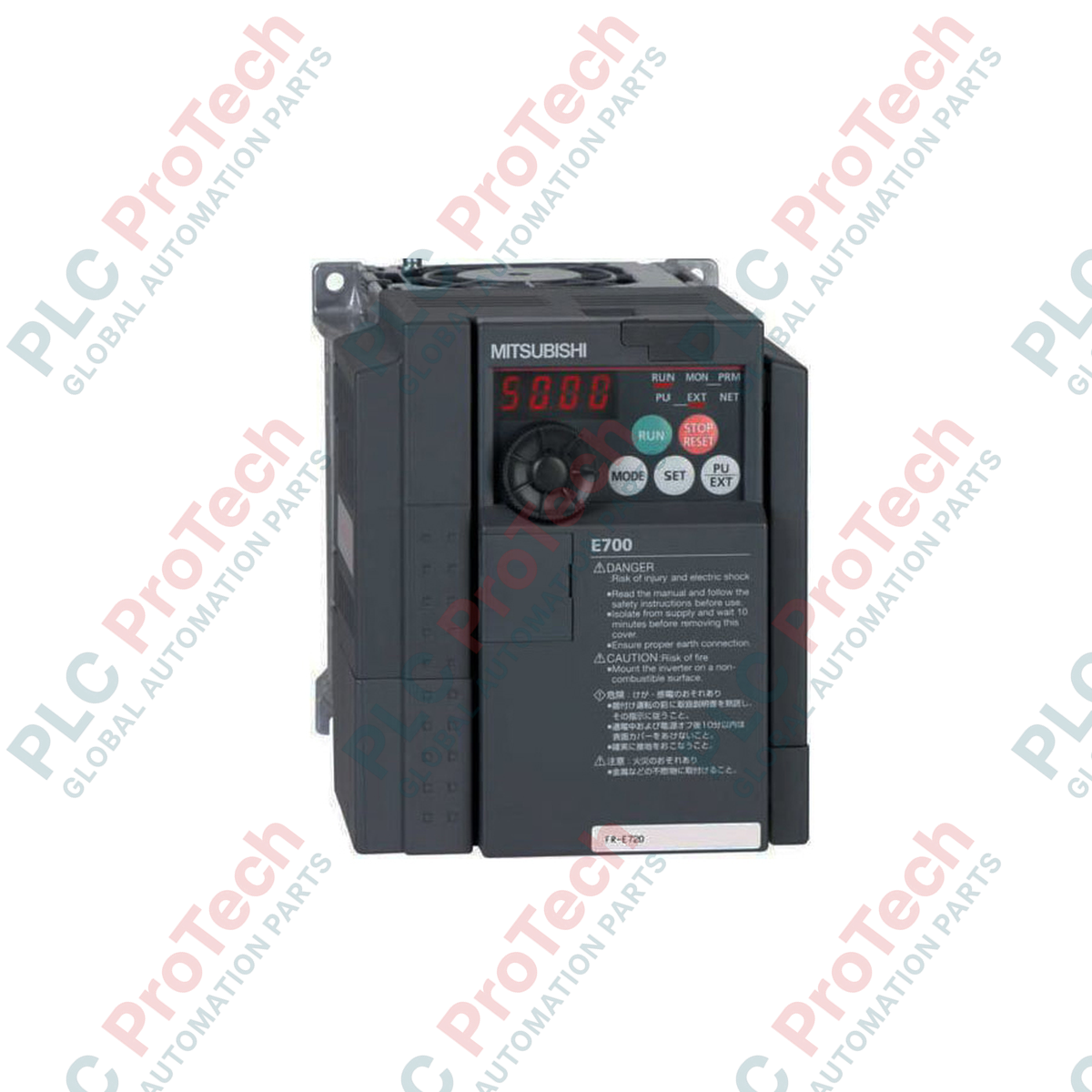
Mitsubishi Electric FR-E720-5.5K برای ارائه کنترل سرعت موتور با عملکرد بالا در پیکربندیهای صنعتی سنگین طراحی شده و یک درایو فرکانس متغیر سهفاز از کلاس 200V در سری FR-E700 معتبر است. این اینورتر 5.5 kW (7.5 HP) که برای پاسخگویی به نیازهای گشتاور استاندارد و سنگین ساخته شده، کنترل پیشرفته برداری شار مغناطیسی را برای تأمین گشتاور مطمئن در سرعت پایین و پاسخگویی پویا یکپارچه کرده است. این محصول بهعنوان یک عنصر کنترلی قابلاعتماد برای ماشینآلاتی عمل میکند که به شتابگیری، کاهش سرعت و تنظیم سرعت با دقت بالا نیاز دارند.
| پارامتر | مقدار مشخصات |
|---|---|
| تولیدکننده | میتسوبیشی الکتریک |
| مدل / شماره کالا | FR-E720-5.5K |
| سری محصول | سری FR-E700 |
| کلاس ولتاژ | کلاس سهفاز 200V (AC، 200 تا 240V، 50/60Hz) |
| ظرفیت اینورتر | 5.5 kW (7.5 HP) |
| MCCB پیشنهادی (بدون راکتور) | 50 A |
| MCCB پیشنهادی (با راکتور) | 40 A |
| کنتاکتور مغناطیسی (MC) | S-N25 |
| گزینههای منطق کنترل | Sink (NPN) یا Source (PNP) قابل انتخاب |
| روش خنککاری | خنککاری با هوای اجباری (با فن خنککننده) |
| وزن خالص | 4.3 kg |
| وزن حمل (محاسبهشده) | 7.0 kg |
| نماد ترمینال | شرح عملکرد |
|---|---|
| R/L1، S/L2، T/L3 | ترمینالهای ورودی برق اصلی (AC سهفاز 200-240V) |
| U، V، W | ترمینالهای خروجی اینورتر که مستقیماً به موتور القایی AC متصل میشوند |
| STF / STR | فرمان کنتاکتی ترمینال حرکت رو به جلو / حرکت معکوس |
| SD | ترمینال مشترک برای کنتاکتهای ورودی کنترل (مشترک Sink) |
| PC | ترمینال مشترک برای خروجیهای ترانزیستوری و منبع تغذیه خارجی (مشترک Source) |
| 10, 2, 5 | رابط ورودی ولتاژ آنالوگ (مرجع سرعت 0 تا 10V DC) |
| 4, 5 | رابط ورودی جریان آنالوگ (مرجع سرعت 4 تا 20mA) |
| A، B، C | کنتاکت خروجی رله فرم C (نشانگر خطا/هشدار) |
FR-E720-5.5K بهعنوان ارتقای مستقیم مدلهای قدیمی FR-E520-5.5K عمل میکند. توجه داشته باشید که ابعاد و چیدمان ترمینالهای کنترل متفاوت است؛ سری FR-E700 از یک کارت رابط کنترل جداشدنی استفاده میکند که از نظر فیزیکی با بکپلینهای FR-E500 سازگار نیست. نگاشت پارامترها بسیار مشابه است، اما تنظیمات کنترل برداری (Pr. 80 و Pr. 81) باید بهصورت دستی برای مطابقت با فرکانس لغزش و جریان تحریک موتور بازپیکربندی شوند.
در عملکرد گشتاور ثابت و فرکانسهای کمتر از 10 Hz، موتورهای AC استانداردِ بدون تهویه ممکن است بهسرعت بیشازحد گرم شوند. در این شرایط، موتور با خنککاری اجباری انتخاب کنید یا بار را کاهش دهید. اطمینان حاصل کنید دمای محیط پیوسته در تابلوهای محصور از 50 degC بیشتر نشود. هنگام نصب چند درایو در کنار یکدیگر داخل یک کابینت، صفحات شیلد بالایی باید برداشته شوند تا همرفت مناسب هوا تضمین شود.
برای تغییر ورودیهای دیجیتال از منطق Sink استاندارد (NPN) به منطق Source (PNP)، برق اصلی را ایزوله کرده و کلید فیزیکی انتخاب منطق را که مستقیماً زیر ترمینالبلوک مدار کنترل قرار دارد، تغییر دهید. هنگام راهاندازی از طریق ترمینال 4 (ورودی جریان 4-20mA)، پارامتر AU (Pr. 184) را برای فعالسازی ورودی ترمینال 4 تنظیم کنید. برای همه کابلهای مرجع آنالوگ از سیمکشی زوجتابیده شیلددار (STP) استفاده کنید و شیلد را فقط در سمت درایو (ترمینال 5) زمین کنید تا خطوط سیگنال از نویز مد مشترک فرکانس بالا ایزوله شوند.
هشدار ایمنی حیاتی
پیش از نصب یا سرویس این درایو، برق ورودی شبکه را کاملاً ایزوله کنید. حداقل 10 دقیقه صبر کنید تا خازنهای باس DC داخلی تخلیه شوند. با استفاده از یک مولتیمتر دیجیتال تأییدشده، ولتاژ باس DC را بین ترمینالهای P/+ و N/- اندازهگیری کرده و مطمئن شوید کمتر از 30V DC است. رعایت نکردن دستورالعملهای تخلیه میتواند باعث برقگرفتگی شدید، آسیب جسمی یا تخریب تجهیزات شود.

Global Express Shipping
Returns & Warranty


ارسال سریع جهانی
بازگشت کالا و گارانتی
سفارشها از دوشنبه تا جمعه پردازش و تحویل داده میشوند (به جز تعطیلات رسمی).
برای شرایط کامل واجد شرایط بودن، هزینههای بازگردانی و جزئیات بازگشت بینالمللی، لطفاً صفحه رسمی ما را مشاهده کنید سیاست بازپرداخت و بازگشت کالا .
| Country of origin |
ایالات متحده آمریکا
|

نخستین پروژه PLC در TwinCAT را روی یک IPC از شرکت Beckhoff ایجاد و تأیید کنید. این چکلیست انتخاب هدف، شناسایی EtherCAT، نگاشت ورودی/خروجی، فعالسازی ایمن، آزمایشهای راهاندازی مجدد و سوابق...

یک توالی عملی برای راهاندازی اتصالهای OPC UA در KEPServerEX: مالکیت دادهها را مشخص کنید، تگها را بهصورت محلی آزمایش کنید، نقطه پایانی و اعتماد به گواهی را پیکربندی کنید، دسترسی را محدود کنید،...

راهاندازی یک PLC متصل به اترنت اغلب با لپتاپ شروع میشود، نه کنترلر. یاد بگیرید چگونه تنظیمات موجود را ثبت کنید، یک نشانی موقت انتخاب کنید، اتصال را آزمایش کنید و پیکربندی شبکه کارخانه را با ایمنی...

کنترل گردوغبار قابلاشتعال به چیزی فراتر از هشدارها نیاز دارد. بیاموزید چگونه تولید گردوغبار را نقشهبرداری کنید، تجهیزات اندازهگیری را انتخاب کنید، اینترلاکها را طراحی کنید، با بازخوردهای ناموفق...

سیمپیچیهای هِیرپین ضریب پُرشدگی شیار را افزایش میدهند و از موتورهای کششیِ فشرده پشتیبانی میکنند، اما هندسهٔ هادی، تلفات جریان متناوب، آسیب عایق، کیفیت جوش و خنککاری تعیین میکنند که آیا طراحی به...

از Ansible برای استانداردسازی تغییرات سرورهای SCADA بدون افزایش ریسک OT استفاده کنید. این راهنما موجودیها، پلیبوکهای ایدمپوتنت، آزمایش مرحلهای، اعتبارنامهها، ثبت گزارشها و کنترلهای عملی بازگشت...