Présentation du produit
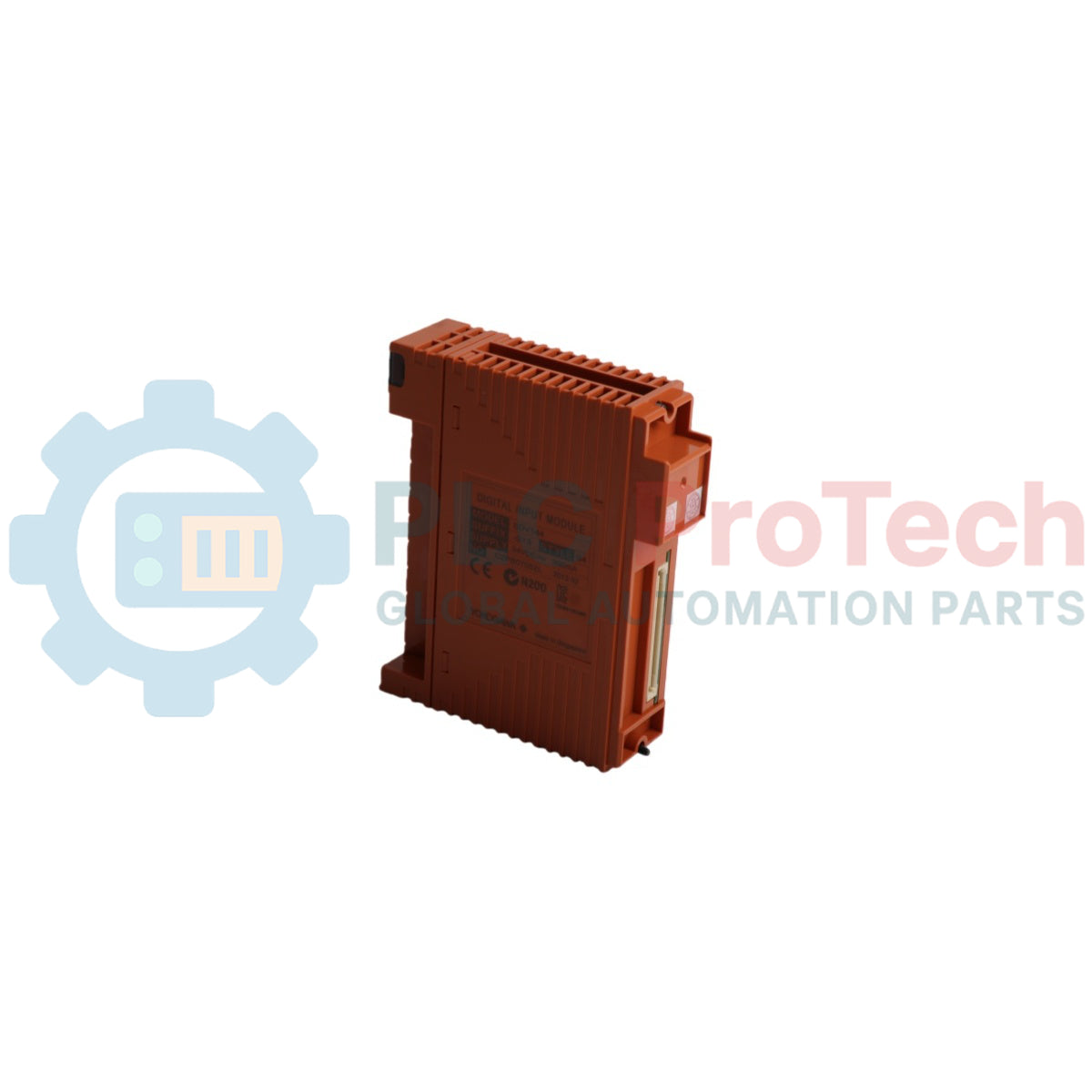
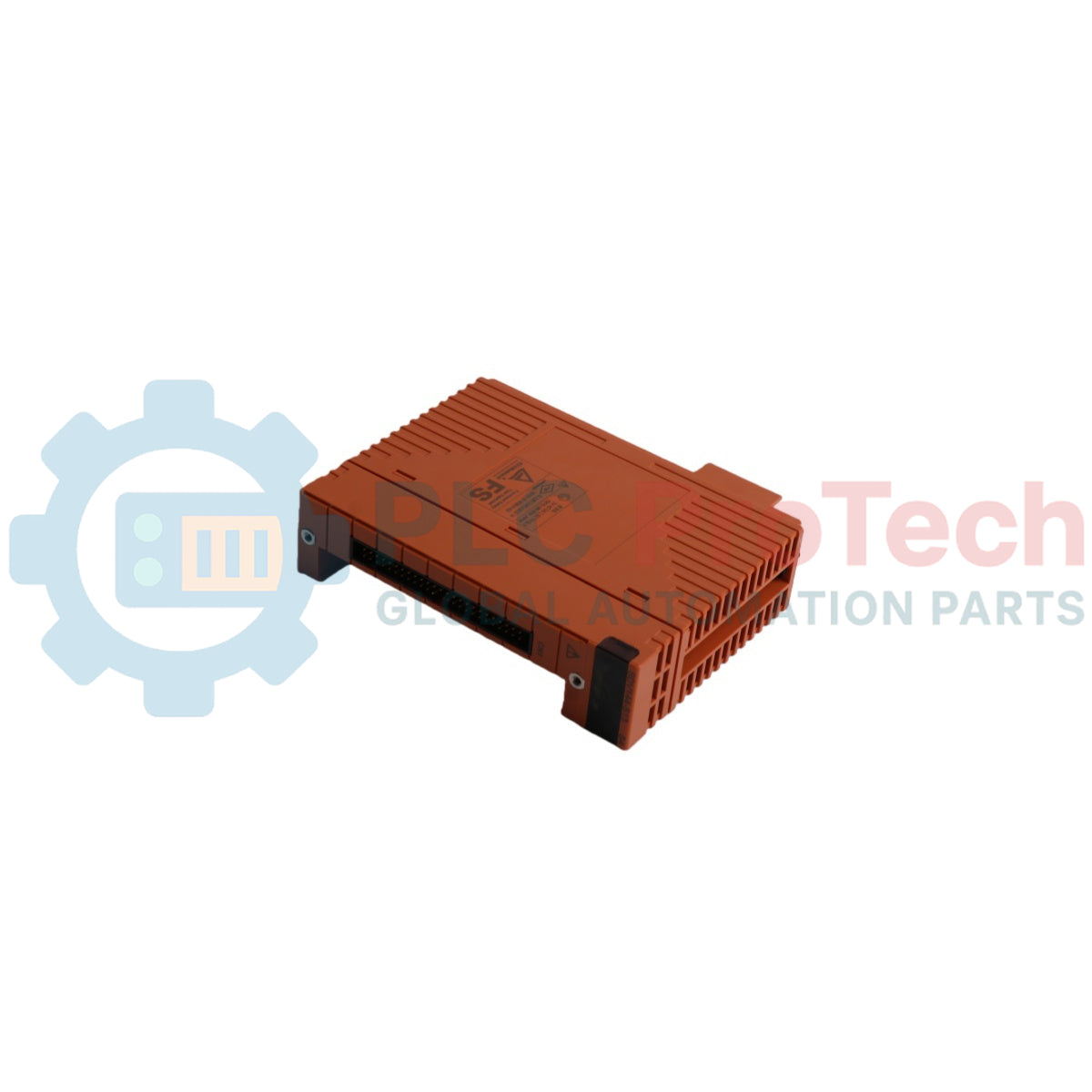
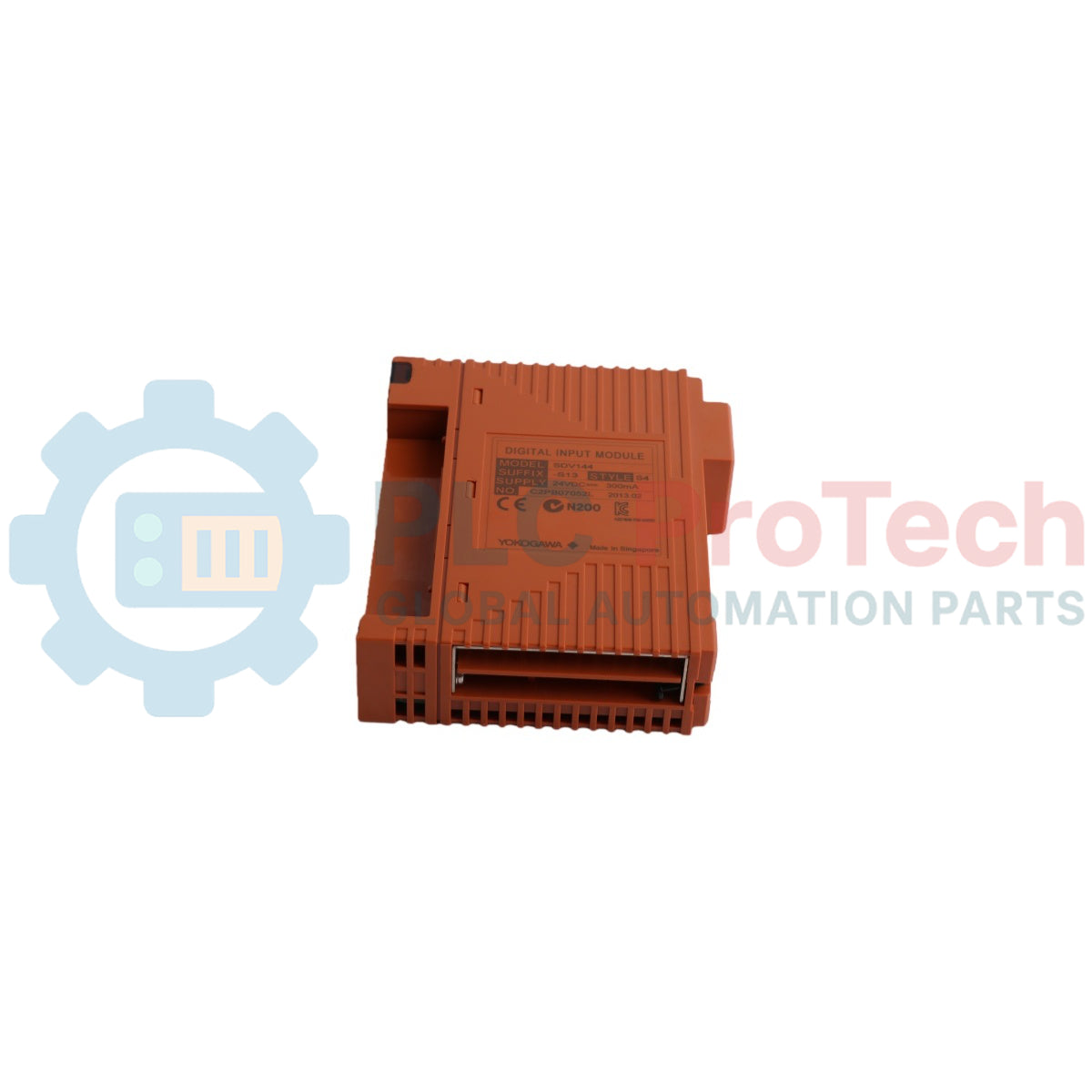
Le SDV144-S13 (SDV144-S13) est un module d'entrée numérique 16 canaux à haute fiabilité conçu pour le système instrumenté de sécurité Yokogawa ProSafe-RS (SIS). En tant que composant essentiel des architectures de sécurité fonctionnelle, il est conçu pour surveiller les états des dispositifs de terrain—tels que les interrupteurs de pression, les boutons d'arrêt d'urgence et les interrupteurs de fin de course de vanne—dans des environnements nécessitant une conformité SIL3 (Safety Integrity Level 3) . Le suffixe « S13 » spécifie le style matériel et la révision, avec une configuration standard sans le revêtement conforme présent sur les variantes « C », tout en conservant les mêmes diagnostics à haute vitesse et l'isolation galvanique nécessaires pour protéger le contrôleur de sécurité contre les surtensions électriques côté terrain. Dans le cycle de vie d’un terminal GNL ou d’une raffinerie, le SDV144-S13 garantit que les données critiques pour la sécurité sont traitées avec une précision déterministe afin d’éviter des défaillances catastrophiques.
Configuration technique
Le module fonctionne au sein de l’unité nœud FIO (Field network I/O), utilisant une architecture à double microprocesseur pour effectuer des autotests continus sur ses circuits internes. Il prend en charge la fonctionnalité de Surveillance de ligne, qui permet au système de détecter les problèmes de câblage terrain tels que circuits ouverts ou courts-circuits lorsqu’il est utilisé avec un réseau de résistances de fin de ligne (EOL). Chacun des 16 canaux est isolé du bus système interne, offrant un haut degré d’immunité au bruit et garantissant qu’une défaillance dans une boucle terrain ne se propage pas au reste de la station de sécurité.
Caractéristiques techniques
| Attribut |
Spécification |
| Modèle |
SDV144-S13 |
| Marque |
Yokogawa |
| Système |
ProSafe-RS / Centum VP |
| Nombre de canaux |
16 (isolés) |
| Tension d'entrée |
24 VCC |
| Classe de sécurité |
SIL3 (IEC 61508) |
| Courant d'entrée |
4,1 mA (typ. à 24 VCC) |
| Tension ON |
18 à 30 VCC |
| Tension OFF |
0 à 5 VCC |
| Poids |
0,35 kg |
| Dimensions |
13,0 x 4,0 x 13,0 cm |
| Température de fonctionnement |
-20 à +70 °C |
FAQ techniques
Quelle est la différence entre les révisions S13 et S33 ?
Le S13 est un code de style matériel antérieur par rapport au S33. Bien qu’ils soient fonctionnellement similaires, vous devez vérifier la compatibilité du « Style » dans votre logiciel Yokogawa Builder. Souvent, un S33 plus récent peut remplacer un S13, mais l’inverse peut nécessiter une rétrogradation du firmware ou une reconfiguration du projet.
Ce module supporte-t-il le remplacement « Hot Swap » ?
Oui, le SDV144-S13 supporte le remplacement en ligne (Hot Swap). Lorsque le système est en fonctionnement, vous pouvez retirer le module défectueux et en insérer un nouveau ; la station de contrôle de sécurité (SCS) téléchargera automatiquement les paramètres de configuration sur la nouvelle unité.
Comment effacer une erreur « Défaut de ligne » sur ce module ?
Un défaut de ligne indique généralement une coupure ou un court-circuit dans le câblage terrain. Vérifiez les résistances en série de 1 kOhm et en parallèle de 10 kOhm au niveau du dispositif de terrain. Si les résistances sont intactes, inspectez les connexions du bornier pour détecter des fils desserrés ou de la corrosion.
Guide d’ingénierie et d’installation
-
Placement des résistances EOL : Pour les boucles de sécurité nécessitant la surveillance de ligne, les résistances doivent être placées aussi près que possible du contact terrain (par exemple, à l’intérieur du boîtier de jonction de l’interrupteur). Les placer dans l’armoire de répartition annule l’objectif de la surveillance de ligne, car cela laisse la longue liaison câble terrain non surveillée.
-
Câblage redondant : Si vous utilisez le SDV144-S13 en configuration redondante (double redondance), assurez-vous que les signaux d’entrée sont correctement répartis via un tableau de connexion spécialement conçu pour la redondance. Les deux modules doivent voir la même tension d’entrée simultanément pour éviter les alarmes de « Désaccord d’entrée ».
-
Mise à la terre et blindage : Pour garantir la fiabilité SIL3 dans des environnements à forte EMI, les blindages des câbles terrain doivent être mis à la terre uniquement côté armoire de répartition. Évitez la « double mise à la terre » qui crée des boucles de masse pouvant provoquer des scintillements intermittents du signal sur les entrées numériques 24 VCC.