


Troubleshooting Beckhoff KL1512 Counter Inputs and Mapping
A field checklist for KL1512 signal thresholds, counter direction, process data and the KL1512-to-KS1512 wiring difference.
Manufacturer: Yokogawa
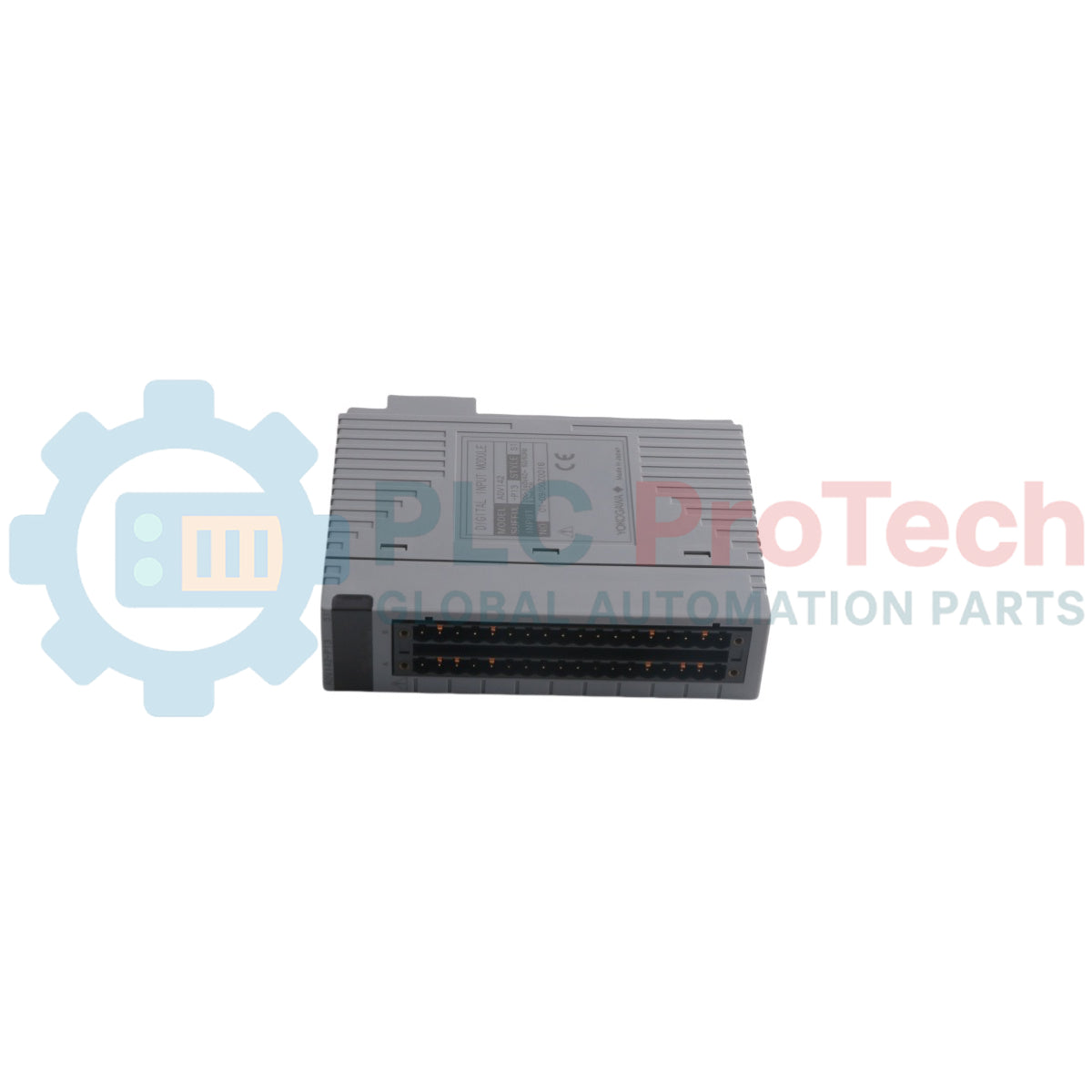
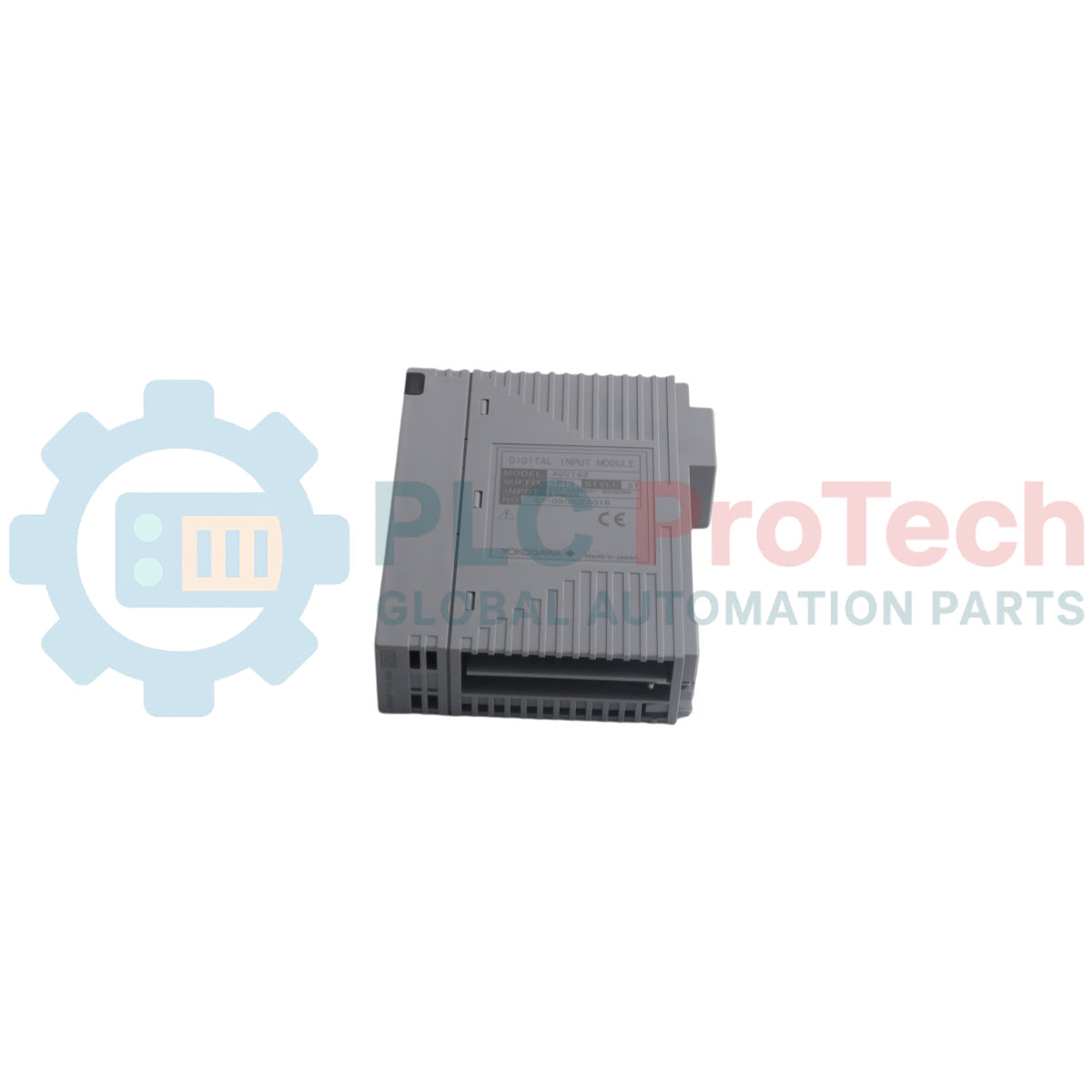
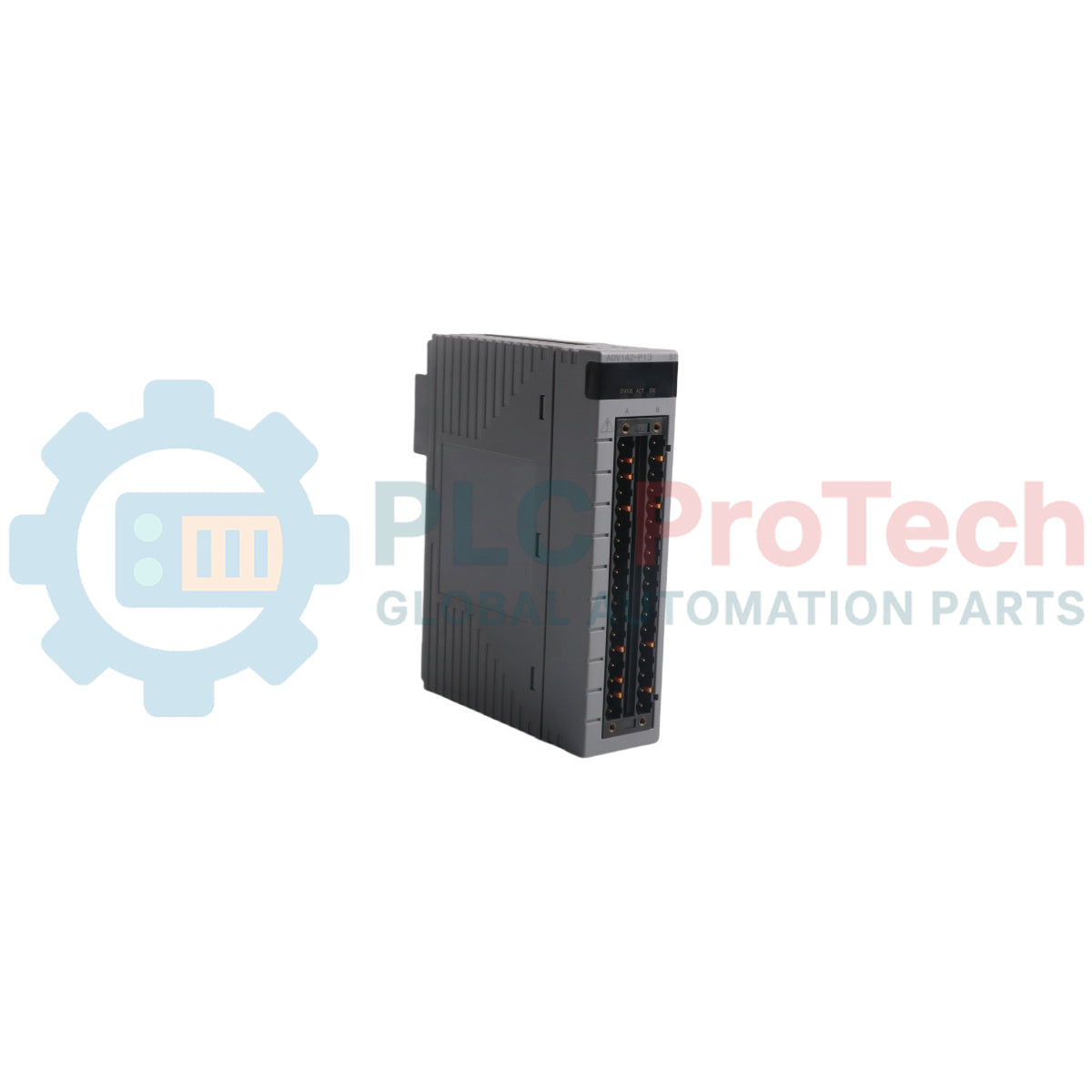
Product No.: ADV142-P13 S1
Country of origin:Japan
Product Type: Modulo di ingresso digitale
Barcode: 8537101190
Payment: T/T, Western Union
Weight: 300g
Dimensions: 3,2 cm x 10,7 cm x 13 cm
Shipping port: Xiamen
Warranty: 12 months
Il ADV142-P13 S1 (ADV142) è un robusto modulo di ingresso digitale isolato a 16 canali, progettato per il sistema di controllo distribuito (DCS) Yokogawa CENTUM VP. Progettato specificamente per interfacciarsi con segnali CA ad alta tensione da 200 V a 240 V, questo modulo è essenziale per monitorare lo stato di apparecchiature industriali ad alta potenza come avviatori motore, apparecchiature di manovra e attuatori di grandi dimensioni. Il ADV142 integra una logica di ingresso per pulsanti, che consente di contare con precisione i fronti dei segnali nelle applicazioni di interfaccia operatore. Questa unità è progettata per garantire la massima affidabilità e dispone di un rivestimento conforme allo standard ISA G3, che la protegge dai gas corrosivi, nonché di un intervallo di temperatura operativa esteso da -20 a 70 deg C. Grazie al supporto di configurazioni a ridondanza doppia e all'elevato isolamento galvanico, il modulo assicura il monitoraggio continuo dei processi e riduce significativamente il rischio di fermi non pianificati in ambienti difficili come raffinerie di petrolio, centrali elettriche e impianti di trattamento chimico.
I codici dei suffissi per ADV142-P13 definiscono il livello di protezione hardware e le funzionalità specializzate:
-P: Dotato della funzione di ingresso per pulsanti, che consente al modulo di rilevare e contare i fronti dei segnali dei pulsanti con un tempo minimo di rilevamento dedicato.
1: Classificato come tipo per uso generale, ottimizzato per il rilevamento standard di CA ad alta tensione nel sottosistema FIO.
3: Include l'opzione di resistenza alla corrosione secondo lo standard ISA G3 e l'opzione per la temperatura ambiente estesa (da -20 a 70 deg C).
S1: Indica la revisione hardware Style 1, garantendo la compatibilità con le attuali unità nodo CENTUM VP e l'I/O della rete di campo.
| Caratteristica | Specifiche |
| Modello | ADV142-P13 S1 |
| Marca | Yokogawa |
| Origine | Giappone |
| Canali di ingresso | 16, isolati (8 canali per comune) |
| Tensione di ingresso nominale | Da 200 a 240 V CA (50/60 Hz) |
| Tensione di ingresso ON | Da 160 V CA (226 V di picco) a 264 V CA |
| Tensione di ingresso OFF | 40 V CA (56 V di picco) o inferiore |
| Tensione di tenuta | 2 kV CA (ingresso-sistema) / 1,35 kV CA (tra i comuni) |
| Temperatura operativa | Da -20 a 70 deg C |
| Classe ambientale | Standard ISA G3 (rivestimento conforme) |
| Peso | Circa 0,30 kg |
In che modo l'opzione G3 aumenta la durata del modulo?
L'opzione G3 applica un rivestimento conforme specializzato che protegge i circuiti interni dalla corrosione atmosferica causata da gas come l'acido solfidrico (H2S), il cloro (Cl2) e il biossido di azoto (NO2), comuni nelle cartiere e negli impianti di trattamento delle acque reflue.
Qual è il requisito critico relativo alla fase per il cablaggio di questo modulo?
Tutti i segnali di ingresso CA collegati allo stesso lato comune negativo (-) (raggruppati ogni 8 canali) devono appartenere alla stessa fase elettrica. Il collegamento di più fasi a un unico comune può causare un guasto hardware catastrofico.
Questo modulo è in grado di gestire segnali a impulsi ad alta frequenza?
No. Sebbene l' ADV142 disponga di una funzione di conteggio dei pulsanti, è limitato a una frequenza massima di 2,5 Hz. Per il conteggio di impulsi ad alta velocità (fino a 10 kHz) è necessario un modulo di ingresso impulsi dedicato, come l'AAP135.
Sicurezza per l'alta tensione: Il ADV142 gestisce potenziali fino a 264 V CA. Assicurarsi che tutta l'alimentazione di campo sia isolata prima di cablare i morsetti a pressione. Utilizzare un cavo con sezione di 1,25 mm2 o inferiore e verificare che le coperture dei morsetti siano installate saldamente per evitare contatti accidentali.
Considerazioni termiche: Quando si opera al limite superiore dell'intervallo di temperatura (fino a 70 deg C), assicurarsi che l'armadio di controllo disponga di ventilazione attiva. Evitare di collocare moduli che generano molto calore (come gli alimentatori) direttamente sotto l' ADV142 per prevenire il surriscaldamento localizzato.
Integrità del segnale: Per ridurre al minimo le interferenze elettromagnetiche (EMI), instradare i cavi di ingresso CA ad alta tensione lontano dalle linee di segnale CC a bassa tensione. Utilizzare cavi schermati se il percorso di cablaggio supera i 50 metri e collegare la schermatura a terra solo lato armadio.
Selezione dei cavi: Per connessioni ad alta densità affidabili, si consiglia l'uso del cavo dedicato Yokogawa AKB333. Questo cavo è progettato specificamente per soddisfare i requisiti di isolamento dei segnali a 220 V CA su 16 canali.


Global Express Shipping
Returns & Warranty
| Product Image | Model Number / Title | Condition | Availability | Action |
|---|---|---|---|---|

|
Modulo di ingresso digitale CA/CC Allen-Bradley 1771-IN PLC-5 | Original New | In Stock | View Details |

|
Modulo di ingresso digitale CC TTL Allen-Bradley 1771-IG | Original New | In Stock | View Details |

|
Allen-Bradley 1769-IQ16 CompactLogix Modulo di ingresso digitale CC a 16 canali, 24 V | Original New | In Stock | View Details |
Global Express Shipping
Returns & Warranty
Orders are processed and delivered Monday-Friday (excluding public holidays).
For full eligibility, restocking fees, and international return details, please view our official Refund & Return Policy .
| Color pattern |
Greyish White
|
| Country of origin |
Japan
|
| Power source |
DC Power
|

A field checklist for KL1512 signal thresholds, counter direction, process data and the KL1512-to-KS1512 wiring difference.

A field checklist for EPP2008-0001 current limits, supply voltage, channel LEDs, connector coding and load-related output faults.

Before moving a TwinCAT 3 license with a Beckhoff C9900-L100, verify the TwinCAT build, XML device description, exact order code and cabinet limits.

A field checklist for replacing a Beckhoff EL4032, covering the ±10 V load, terminal map, power contacts, EtherCAT state, and watchdog behavior.

Before replacing a Yokogawa AAI835, verify the 4-in/4-out channel map, power-loss loop behavior, barrier type, output load, cable, and redundancy.

ABB PM891K01 article 3BSE053241R1 is the non-redundant AC 800M processor kit. Use this field checklist before replacement.