Penerangan
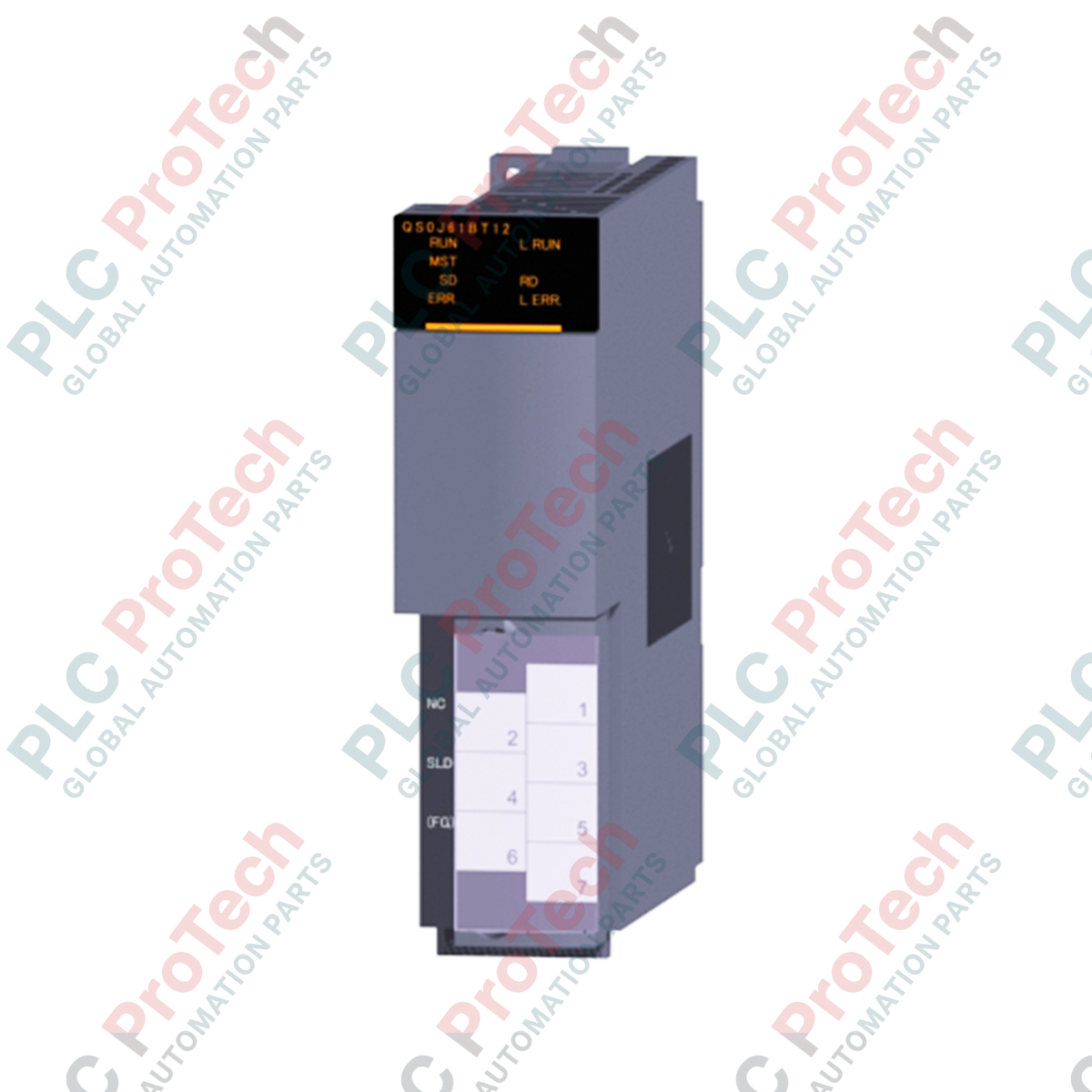
Menyediakan komunikasi keselamatan berfungsi yang bersifat deterministik merentasi persekitaran berisiko tinggi, Mitsubishi Electric QS0J61BT12 berfungsi sebagai Stesen Induk Keselamatan CC-Link khusus untuk platform kawalan MELSEC-QS. Modul induk keselamatan ini menyelaras stesen I/O jauh yang selamat, melaksanakan diagnostik menyeluruh dan pengesahan protokol keselamatan melalui topologi bas fizikal standard. Direka bentuk untuk disepadukan dengan CPU Keselamatan, modul ini membolehkan rangkaian komunikasi yang mematuhi SIL3 dan Kategori 4 tanpa memerlukan pendawaian khusus berasingan untuk isyarat data keselamatan dan bukan keselamatan.
Ciri Utama
-
Kadar Baud Boleh Dipilih: Kelajuan penghantaran boleh dikonfigurasikan daripada 156 kbps hingga 10 Mbps agar sepadan dengan panjang bas dan masa kitaran sistem tertentu.
-
Pengurusan Nod Berkapasiti Tinggi: Menyambungkan sehingga 64 stesen jauh keselamatan atau stesen jauh kegunaan umum pada satu segmen rangkaian.
-
Kawalan Protokol Dua Lapisan: Menggunakan pengesahan CRC bebas, dengan CRC32 untuk stesen jauh selamat dan CRC16 untuk stesen jauh kegunaan umum.
-
Topologi Fleksibel: Menyokong talian batang jarak jauh sehingga 1200 meter pada 156 kbps menggunakan pendawaian khusus CC-Link serasi Ver.1.10 standard.
-
Pemprosesan Isyarat Pintar: Memperuntukkan 32 titik penetapan I/O pintar bagi setiap slot induk terus ke satah belakang pengawal keselamatan.
Aplikasi Industri
-
Barisan Pemasangan Automotif: Litar henti kecemasan teragih, tirai cahaya dan suis pintu saling kunci.
-
Sel Kerja Robotik: Menyelaras pemantauan kelajuan selamat dan perlindungan perimeter merentasi kelompok robot berbilang paksi.
-
Sistem Pengendalian Bahan: Integrasi keselamatan penghantar, sistem kecemasan talian pengisihan dan stesen pengangkat muatan berat.
-
Jentera Pembungkusan: Pelaksanaan keselamatan berfungsi berkelajuan tinggi merentasi mesin pengindeksan berbilang stesen.
Spesifikasi Teknikal
| Parameter |
Nilai Spesifikasi |
| Pengilang |
Mitsubishi Electric |
| Rujukan Model |
QS0J61BT12 |
| Jenis Modul |
Unit Induk Sistem Keselamatan CC-Link |
| Jenis Stesen |
Stesen Induk Keselamatan |
| Kadar Baud yang Disokong |
156 kbps / 625 kbps / 2.5 Mbps / 5 Mbps / 10 Mbps (Boleh Dipilih) |
| Jarak Komunikasi Maks. |
1200 m (pada 156 kbps) hingga 100 m (pada 10 Mbps) |
| Maks. Stesen yang Disambungkan |
64 stesen |
| Maks. Titik Pautan setiap Sistem |
RX/RY: 2048 titik; RWr: 256 titik; RWw: 256 titik |
| Skim Komunikasi |
Pengundian siaran dengan penyegerakan bingkai |
| Pengekodan Talian |
Kod NRZI |
| Lapisan Fizikal |
Topologi bas RS-485 |
| Kawalan Ralat (Nod Keselamatan) |
Algoritma standard CRC32 |
| Kawalan Ralat (Nod Standard) |
Algoritma standard CRC16 |
| Titik I/O yang Digunakan |
32 titik (penetapan I/O pintar) |
| Penggunaan Arus Dalaman (5V DC) |
0.46 A |
| Jisim Unit Bersih |
0.12 kg |
| Berat Penghantaran (Dikira) |
1.10 kg |
| Negara Asal |
Jepun |
Sambungan dan Antara Muka
| Nama Terminal |
Penetapan Fungsi & Isyarat |
| DA |
Talian Komunikasi CC-Link A |
| DB |
Talian Komunikasi CC-Link B |
| DG |
Pembumian Isyarat |
| SLD |
Terminal Pelindung (Disambungkan secara dalaman kepada FG melalui rangkaian kapasitor/perintang) |
| FG |
Pembumian Fungsi (Pembumian casis) |
Model Alternatif & Keserasian
Modul ini direka bentuk khusus untuk dipasang pada satah belakang fizikal Siri MELSEC-QS. Modul ini mesti beroperasi bersama modul CPU Keselamatan QS001CPU. Walaupun modul ini berfungsi pada perkakasan fizikal RS-485 yang serupa dengan modul CC-Link Siri Q standard (seperti QJ61BT11N), modul standard tidak boleh menggantikan peranan induk stesen keselamatan kerana modul tersebut tidak mempunyai dua mikropengawal dan unit pemprosesan CRC32 yang diperlukan untuk menjalankan bingkai data keselamatan.
Perangkap Aplikasi & Nota Kejuruteraan
Pastikan semua segmen kabel mematuhi piawaian lapisan fizikal CC-Link Ver.1.10. Mencampurkan kabel CC-Link daripada generasi atau pengilang yang berbeza dalam talian batang yang sama akan mengubah impedans ciri, lalu menyebabkan pantulan isyarat. Pantulan ini mencetuskan ralat penghantaran CRC32 sementara, yang memaksa CPU Keselamatan hos beralih kepada keadaan "STOP" bagi mengekalkan protokol keselamatan berfungsi. Pastikan perintang penamat pada setiap hujung sepadan tepat dengan impedans ciri kabel (biasanya 110 ohm).
Petua Pentauliahan & Pendawaian
Sentiasa sambungkan wayar pelindung (SLD) terus ke blok terminal, dan sahkan bahawa terminal pembumian fungsi (FG) disambungkan kepada bar bas pembumian kuprum berimpedans rendah dalam panel. Semasa konfigurasi perisian dalam GX Developer atau GX Works2, jangan petakan titik I/O selamat kepada ruang I/O tujuan umum biasa; titik tersebut mesti dipetakan secara khusus melalui tab "Safety Connection Parameter" bagi mengekalkan pemeriksaan pengesahan perisian yang ketat.
Garis Panduan Pemasangan
AMARAN KRITIKAL: Pastikan sumber kuasa panel utama dinyahcas sepenuhnya dan dikunci keluar (LOTO) sebelum memasukkan atau mengeluarkan modul daripada satah belakang. Kegagalan menyahcas rak boleh menyebabkan kilatan arka pada satah belakang dalaman, memusnahkan ASIC pemproses, merosakkan parameter keselamatan, atau menyebabkan pergerakan mesin yang tidak disengajakan.
1
Pemasangan: Cangkukkan tab penentu kedudukan bawah modul ke dalam lubang panduan unit asas dan tekan dengan kukuh sehingga pengunci atas berbunyi klik.
2
Ketatkan: Ketatkan skru pengikat modul atas (M3 x 12) dengan tork 0.36 hingga 0.48 N-m bagi memastikan sambungan satah belakang yang stabil dan ketahanan terhadap getaran.
3
Pendawaian: Pasangkan blok terminal yang telah disediakan dan mengandungi talian CC-Link serta perintang penamat (jika ini ialah nod hujung) pada blok terminal.
4
Pembumian: Sambungkan terminal FG menggunakan wayar berkeratan rentas sekurang-kurangnya 2 mm persegi terus ke titik pembumian elektrik pusat pada penutup mesin.